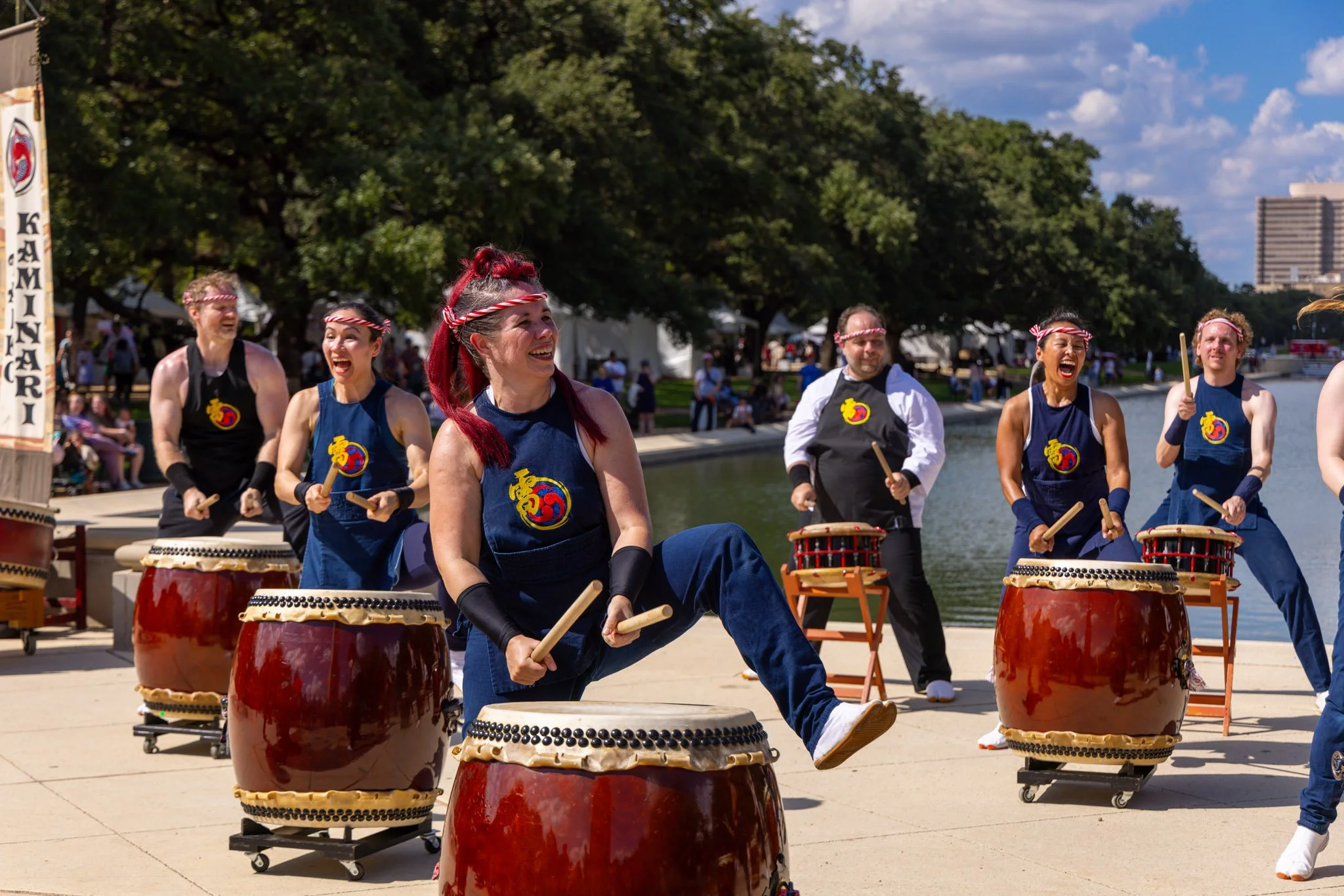
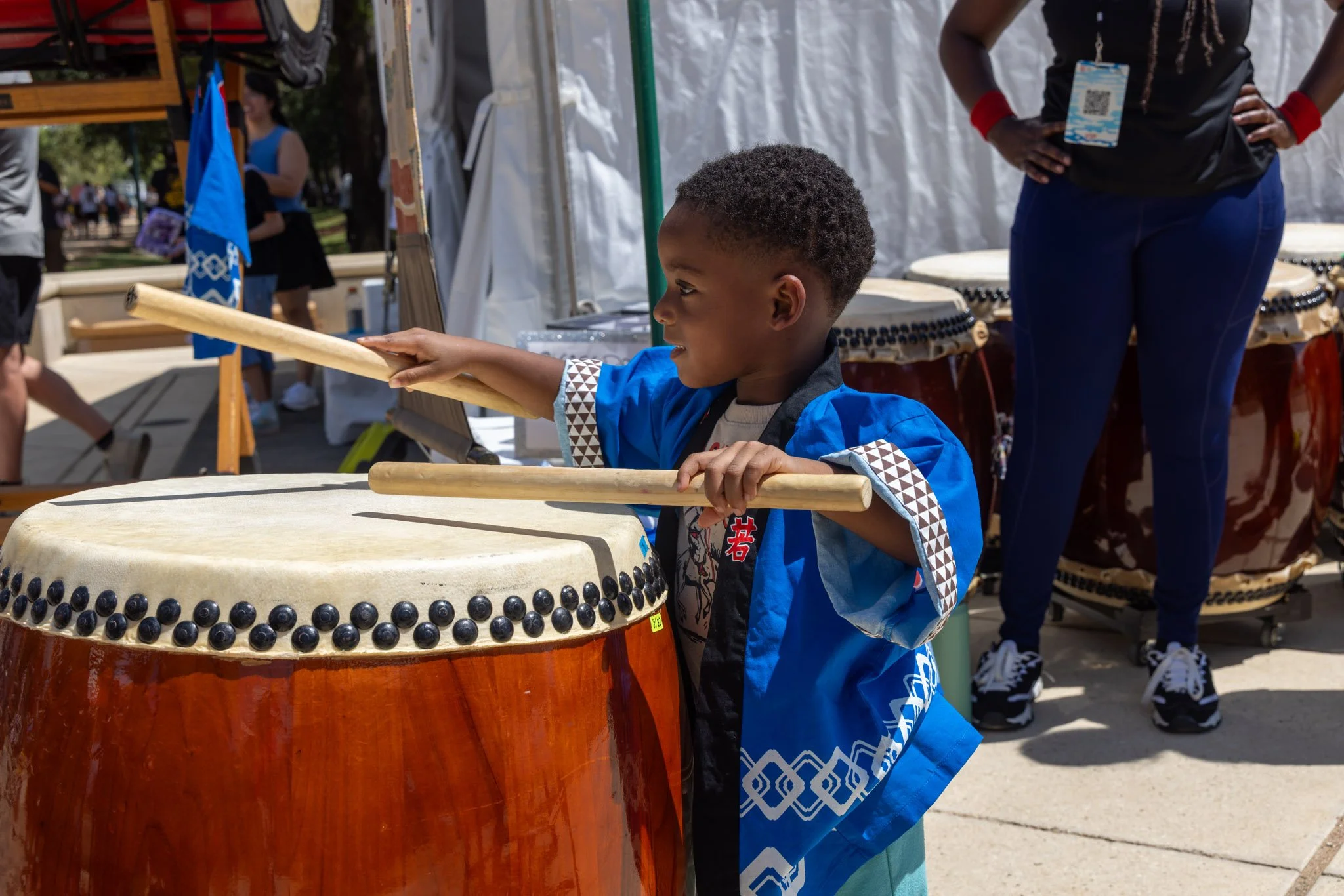
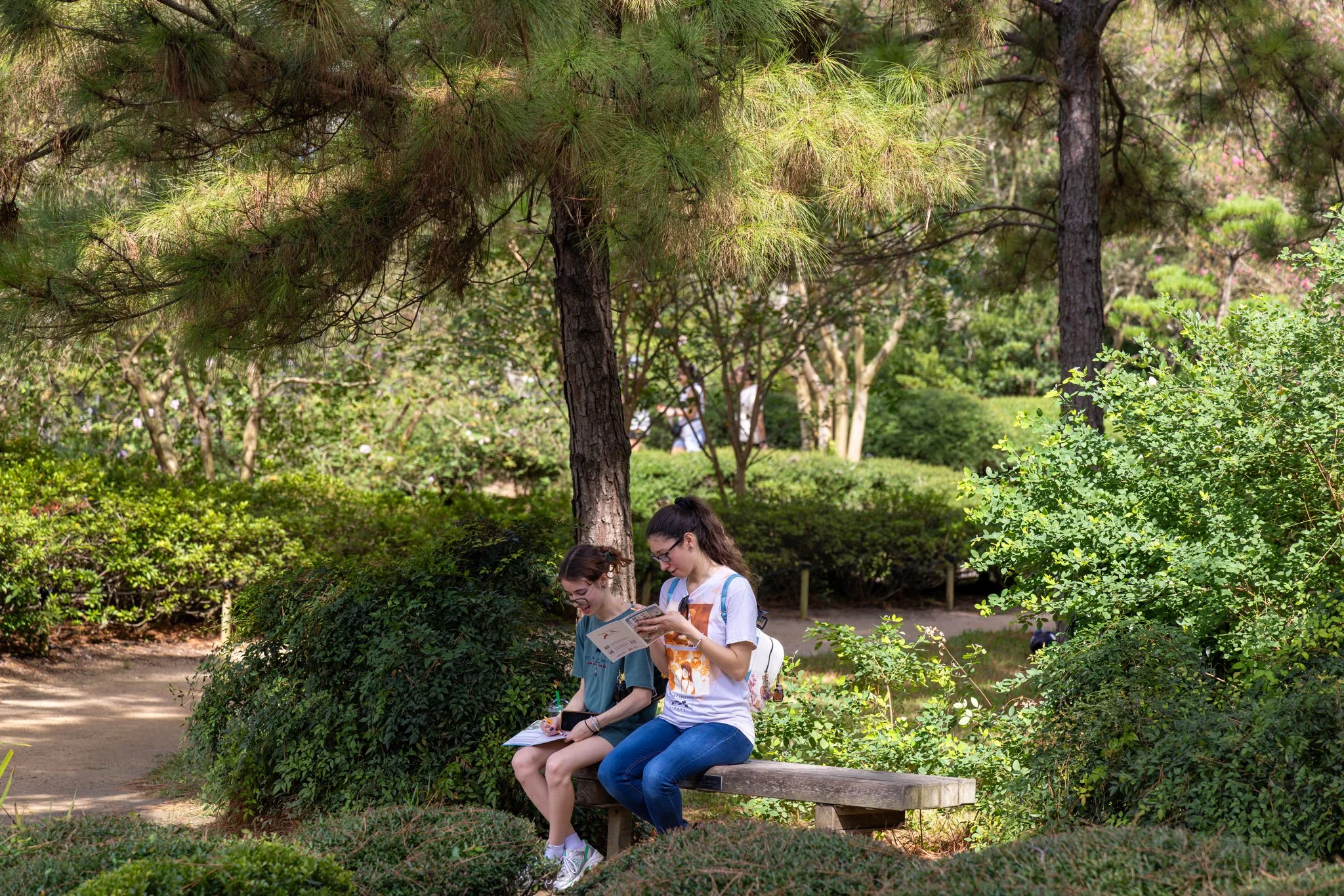
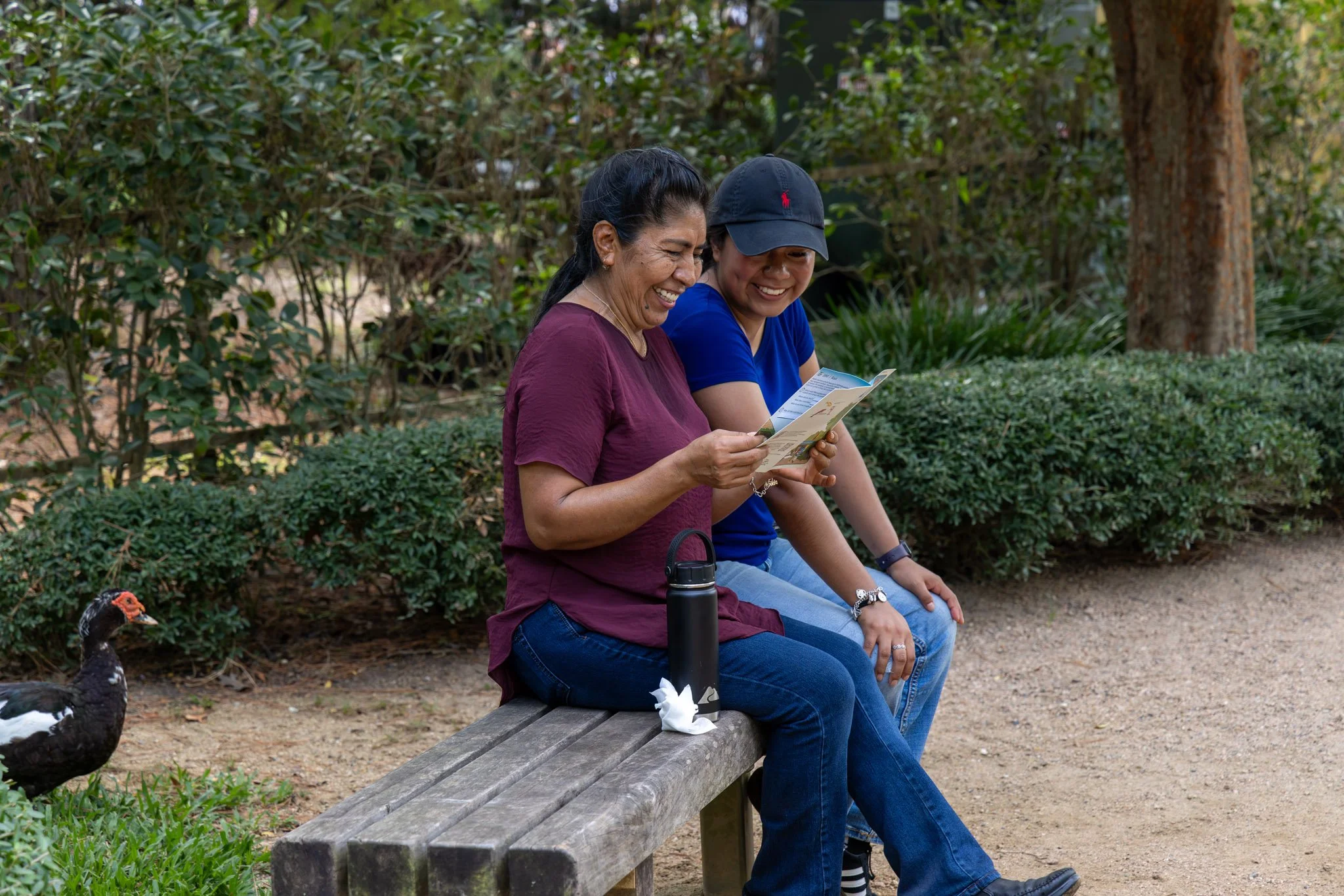



Share Your Voice: The Future of the Japanese Garden in Hermann Park

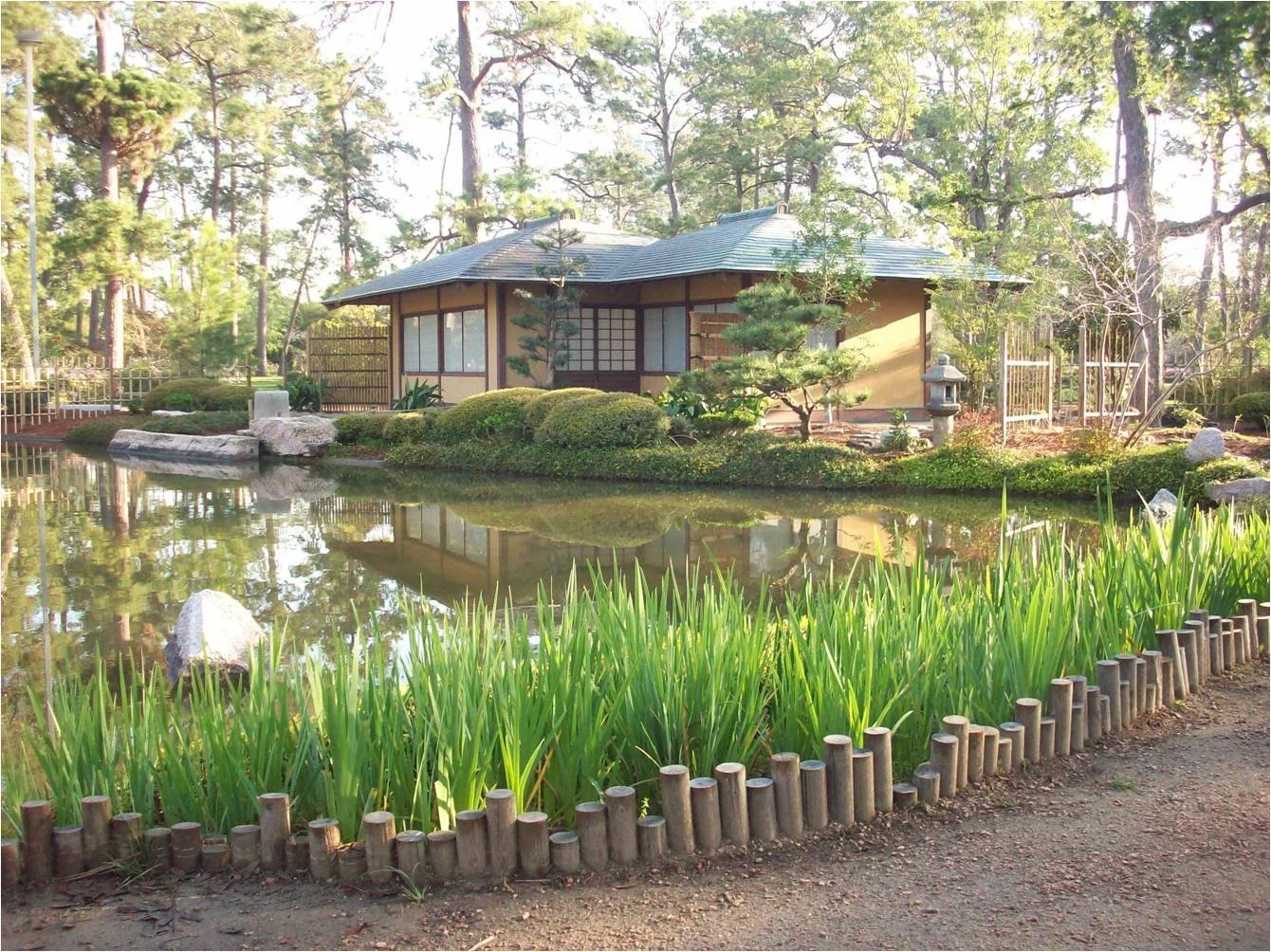
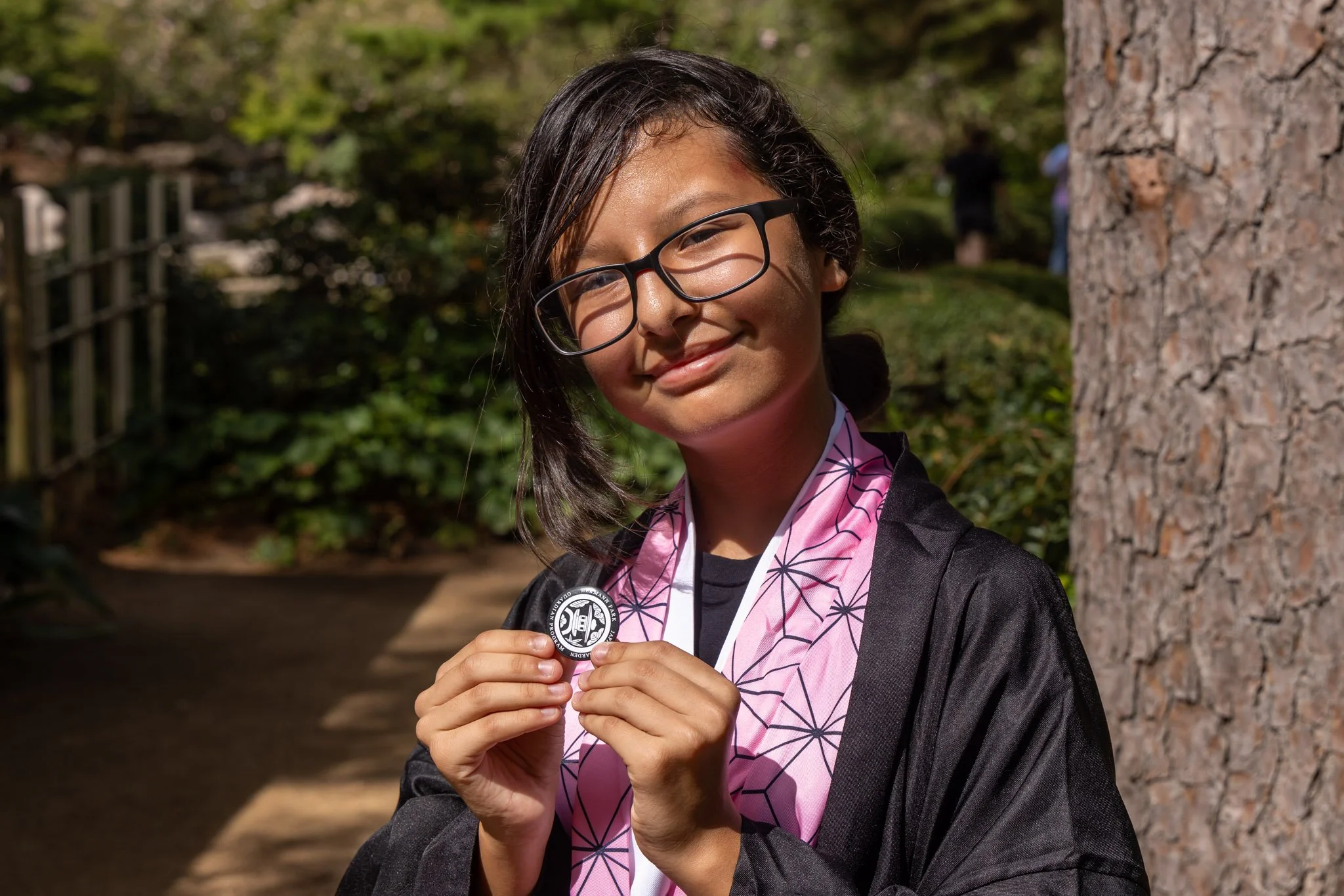
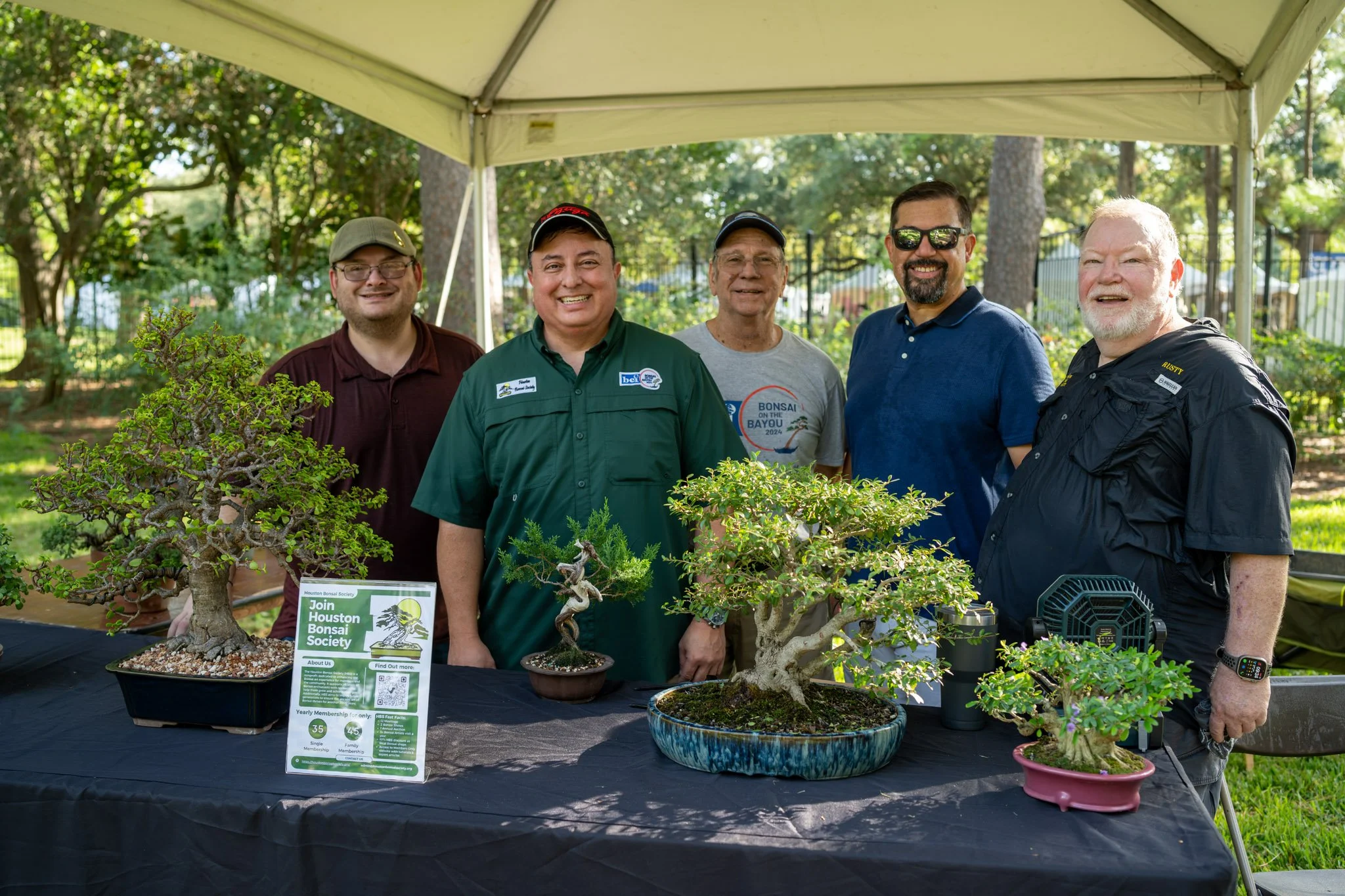
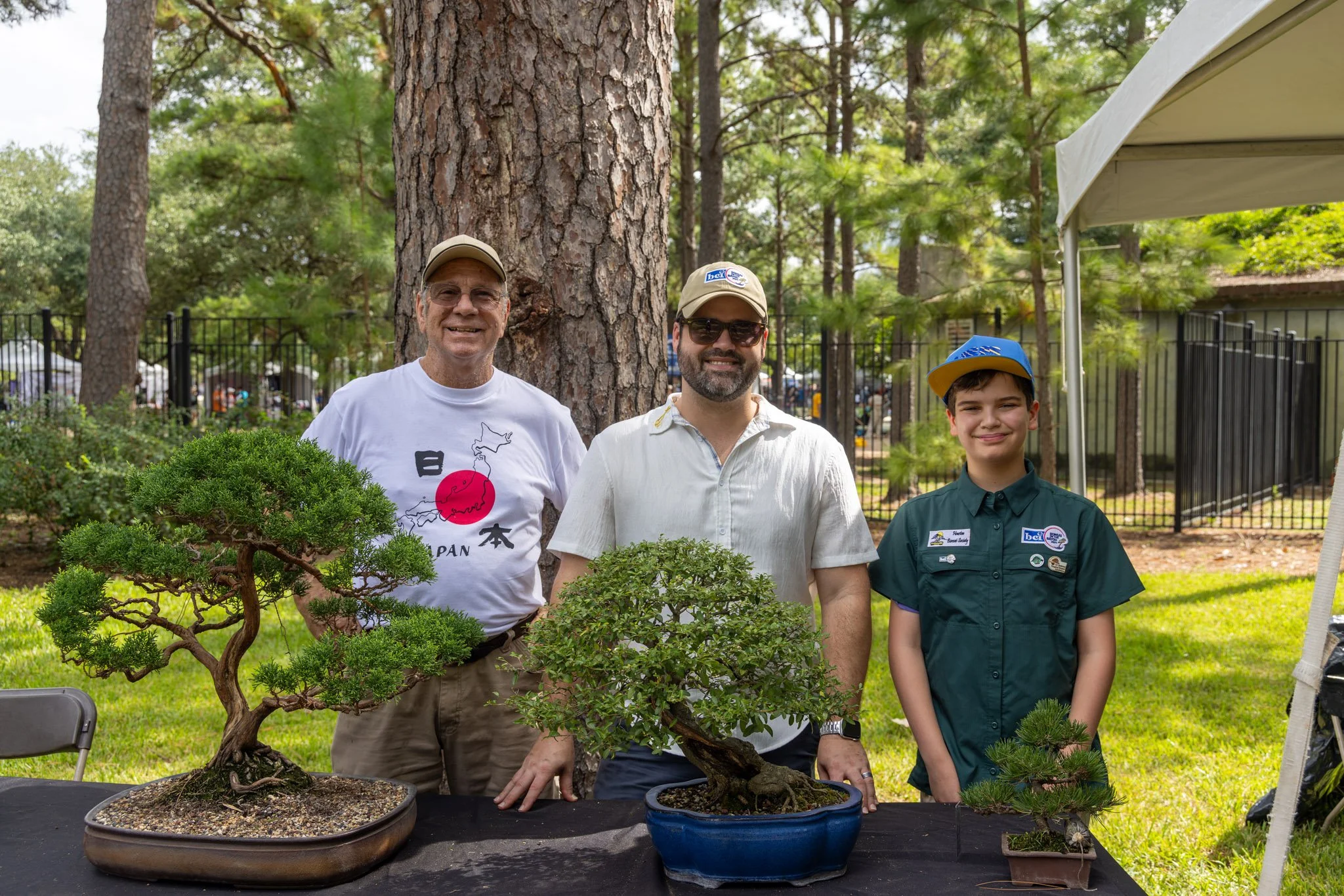
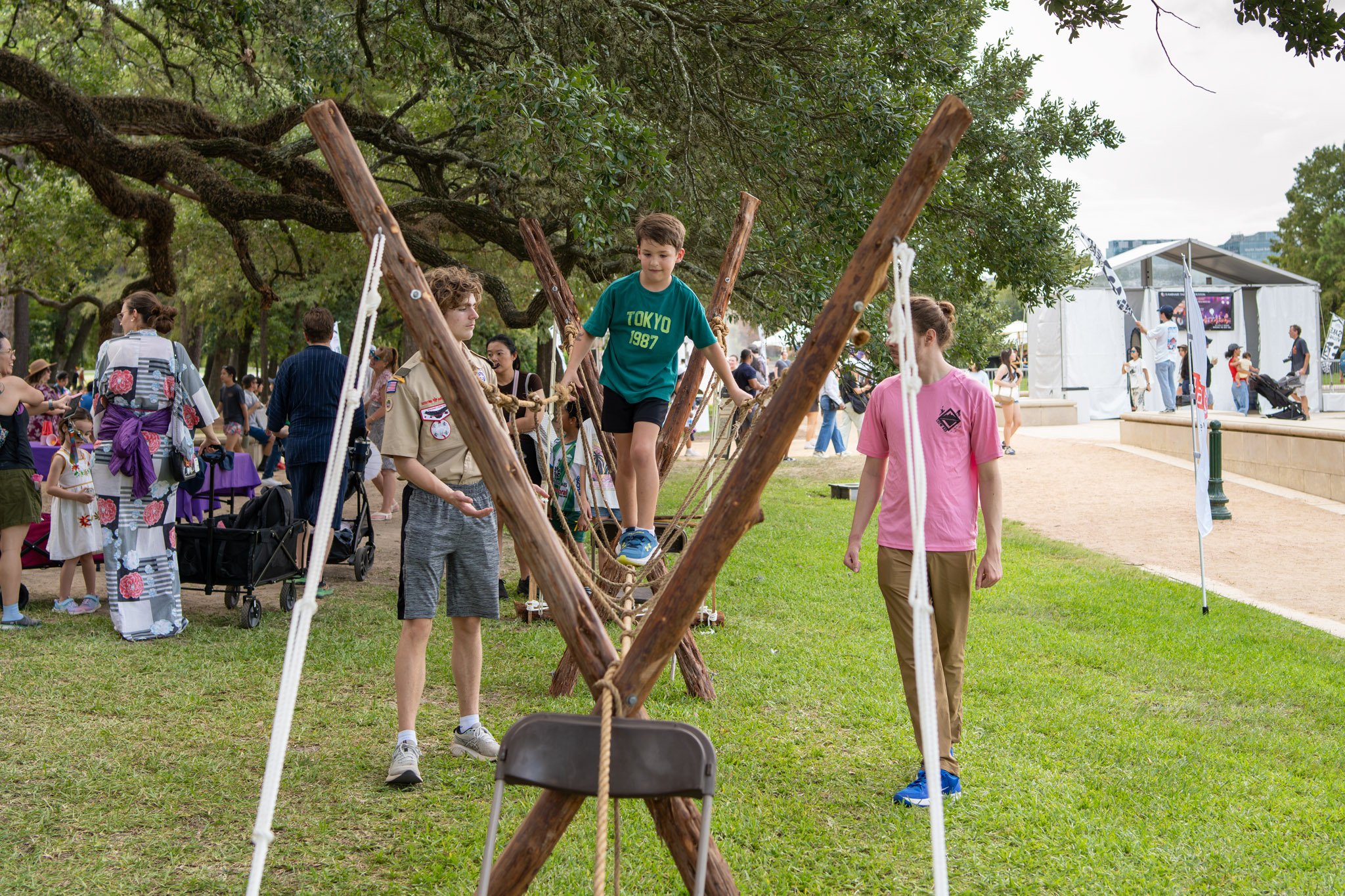
Since its opening in 1992, the Japanese Garden in Hermann Park has stood as a symbol of harmony, peace, and friendship between Japan and the United States. Created as a living gift from Houston’s Japanese community to the City of Houston, the Garden was designed by renowned landscape architect Ken Nakajima and continues to serve as a place of beauty and reflection for visitors from around the world.

Today, Hermann Park Conservancy — the nonprofit organization that partners with the City of Houston to steward and improve Hermann Park — is focusing on restoring the Japanese Garden to Ken Nakajima’s original vision while planning for its long-term care and sustainability.

As part of this important effort, the Conservancy is seeking input from the community.


How Would You Like to Experience the Garden?

Community feedback will help shape the next chapter of the Japanese Garden. Ideas under consideration include:

  • Cultural programming such as Japanese crafts, art classes, and tea ceremonies

  • Quiet spaces dedicated to reflection and meditation

  • Seasonal celebrations such as lantern walks or cherry blossom events

  • Expanded educational and cultural exchange opportunities

Your insights will help guide future programming and ensure that the Garden remains a meaningful cultural touchstone for generations to come.


Sustaining the Garden for the Future

Maintaining a garden of this caliber requires significant care and resources. As part of the outreach process, the Conservancy is also gathering feedback on potential sustainability options, including a modest admission fee or membership opportunities to support ongoing maintenance and programming.

The Conservancy’s Yotsuba Circle already provides dedicated support for the Japanese Garden, and community members are invited to learn more about how they might participate.


Take the Survey

We encourage all JASH members and friends to take a few minutes to share their thoughts. Your voice matters, and your participation will help shape the future of this treasured space.


For more information about Hermann Park Conservancy, visit:
www.hermannpark.org

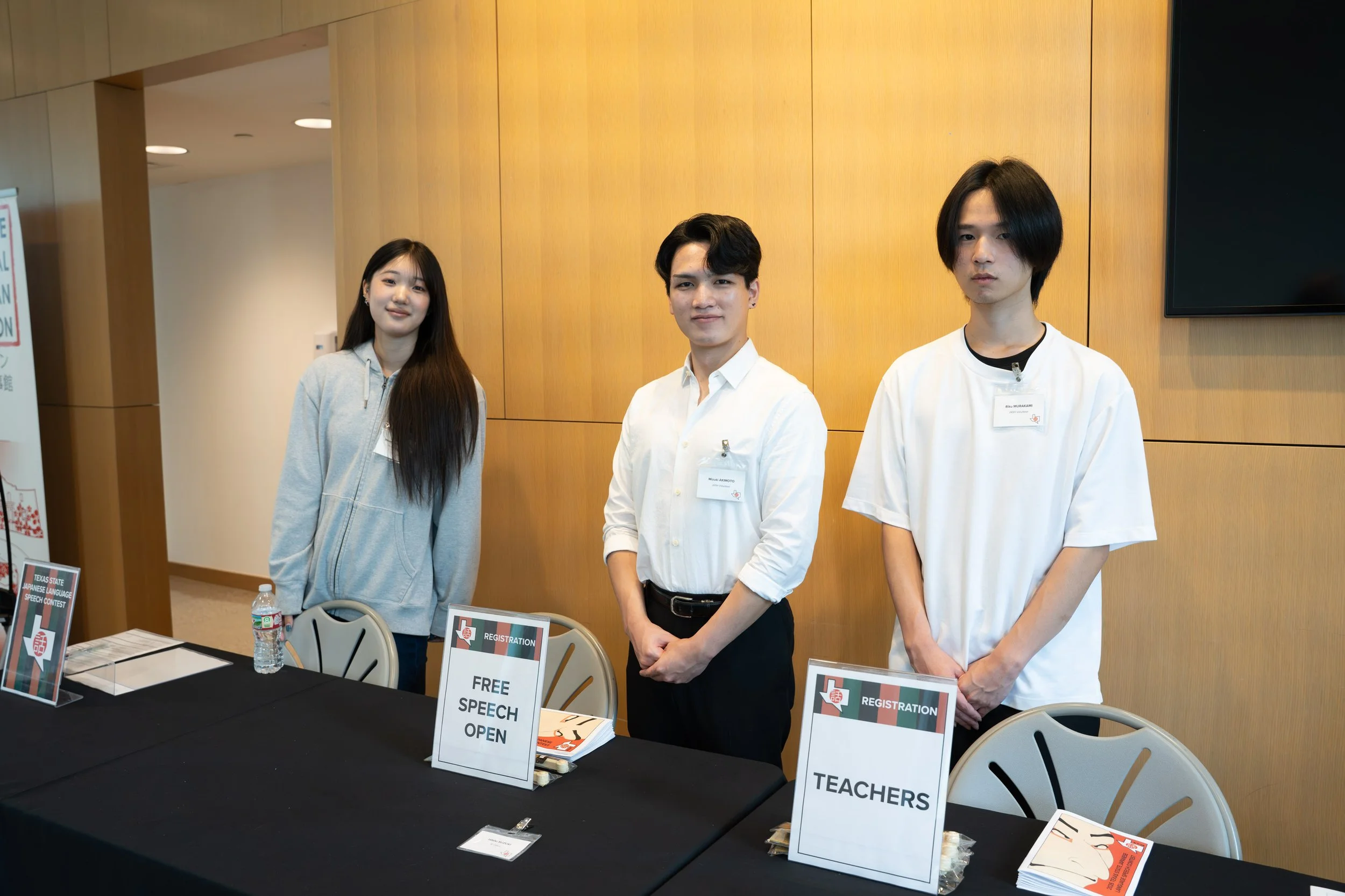
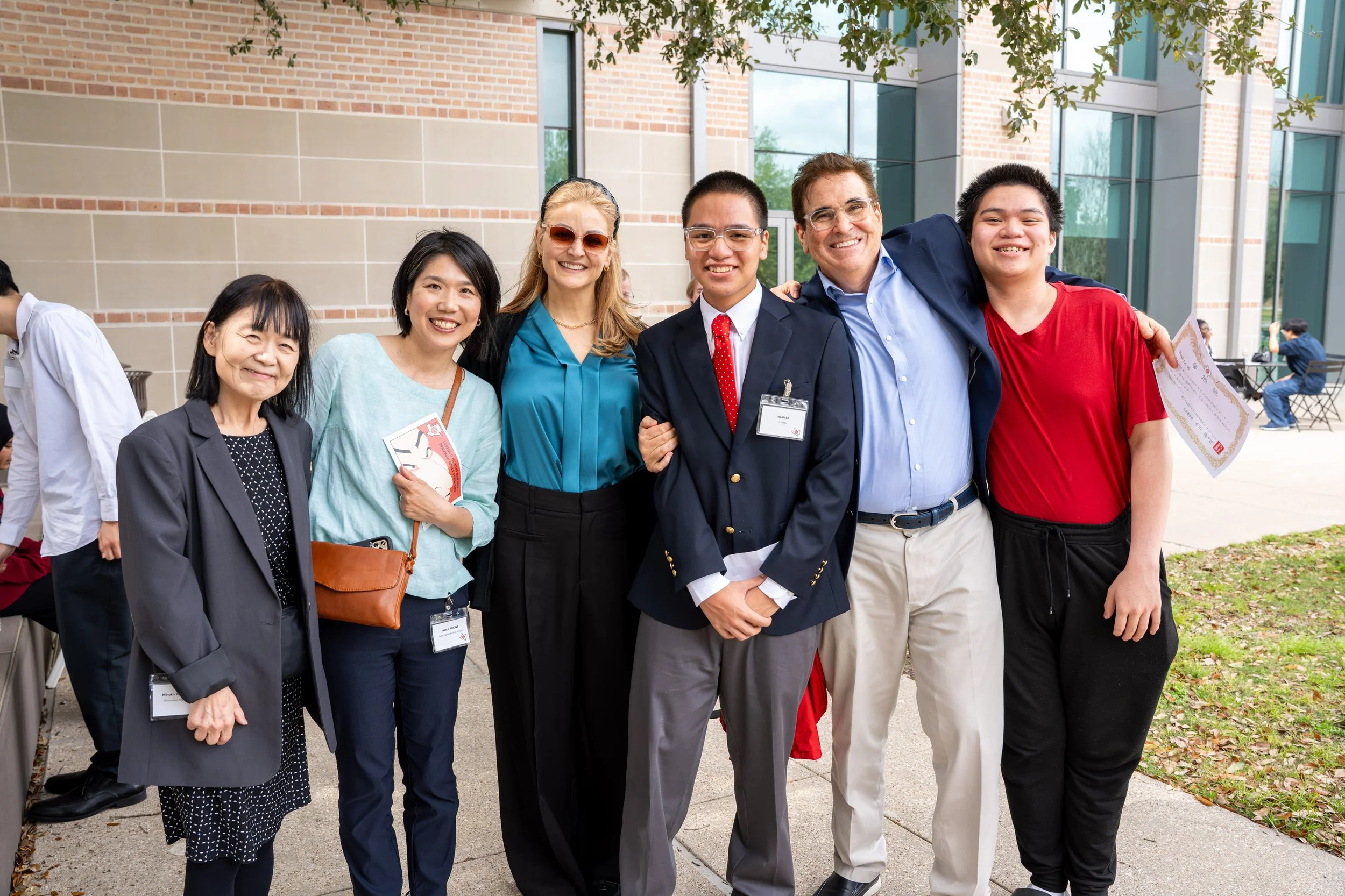
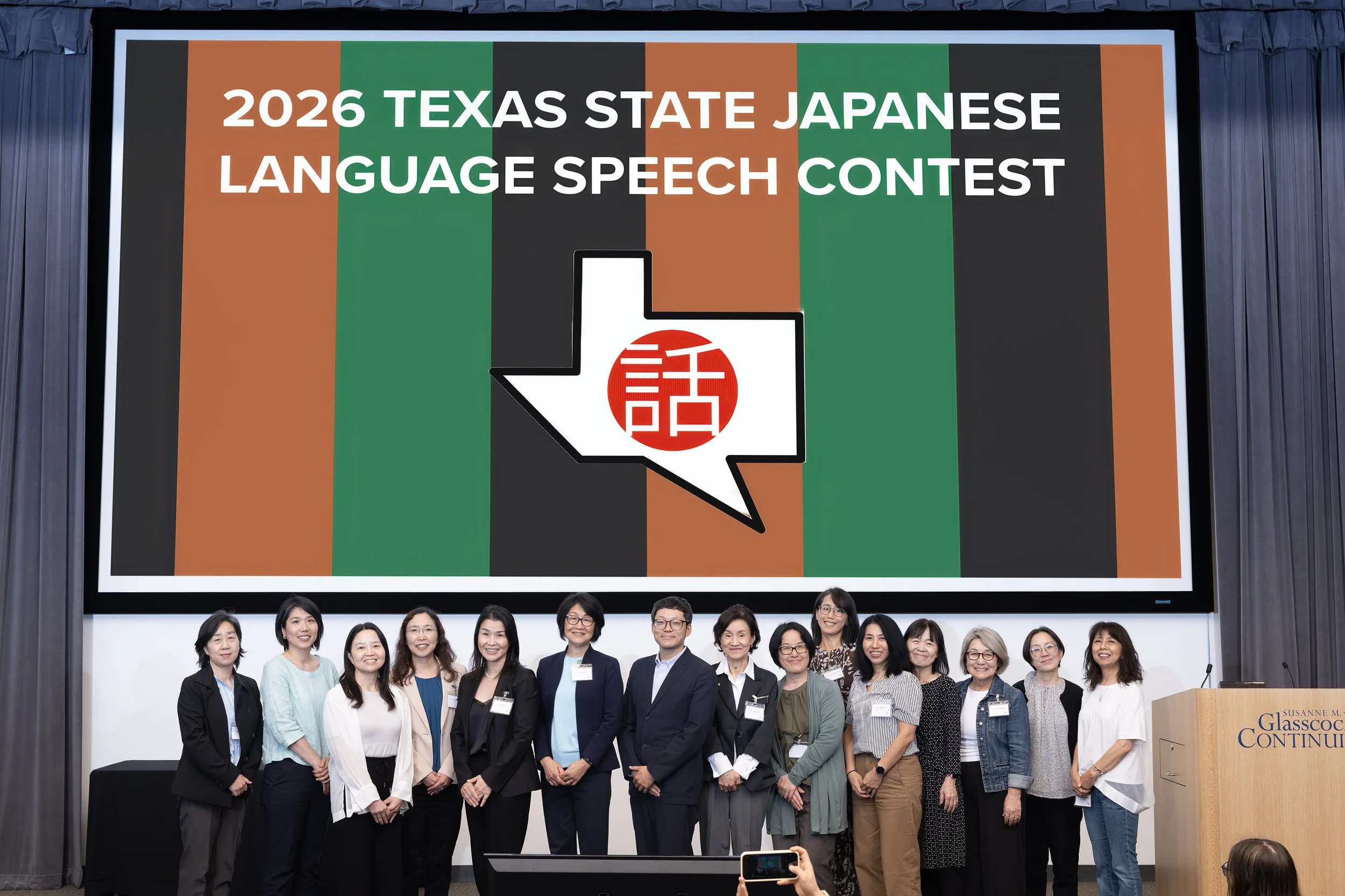
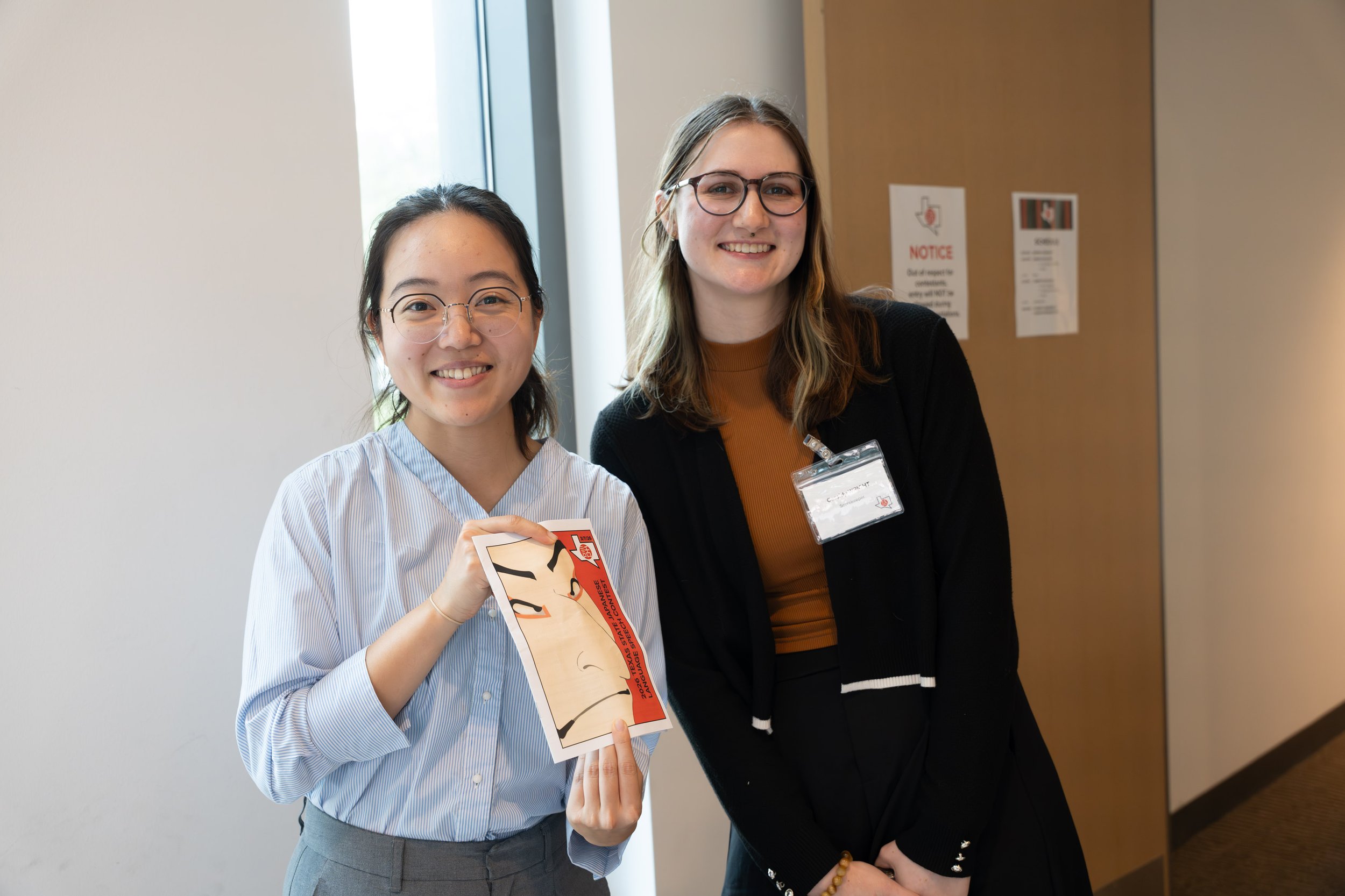
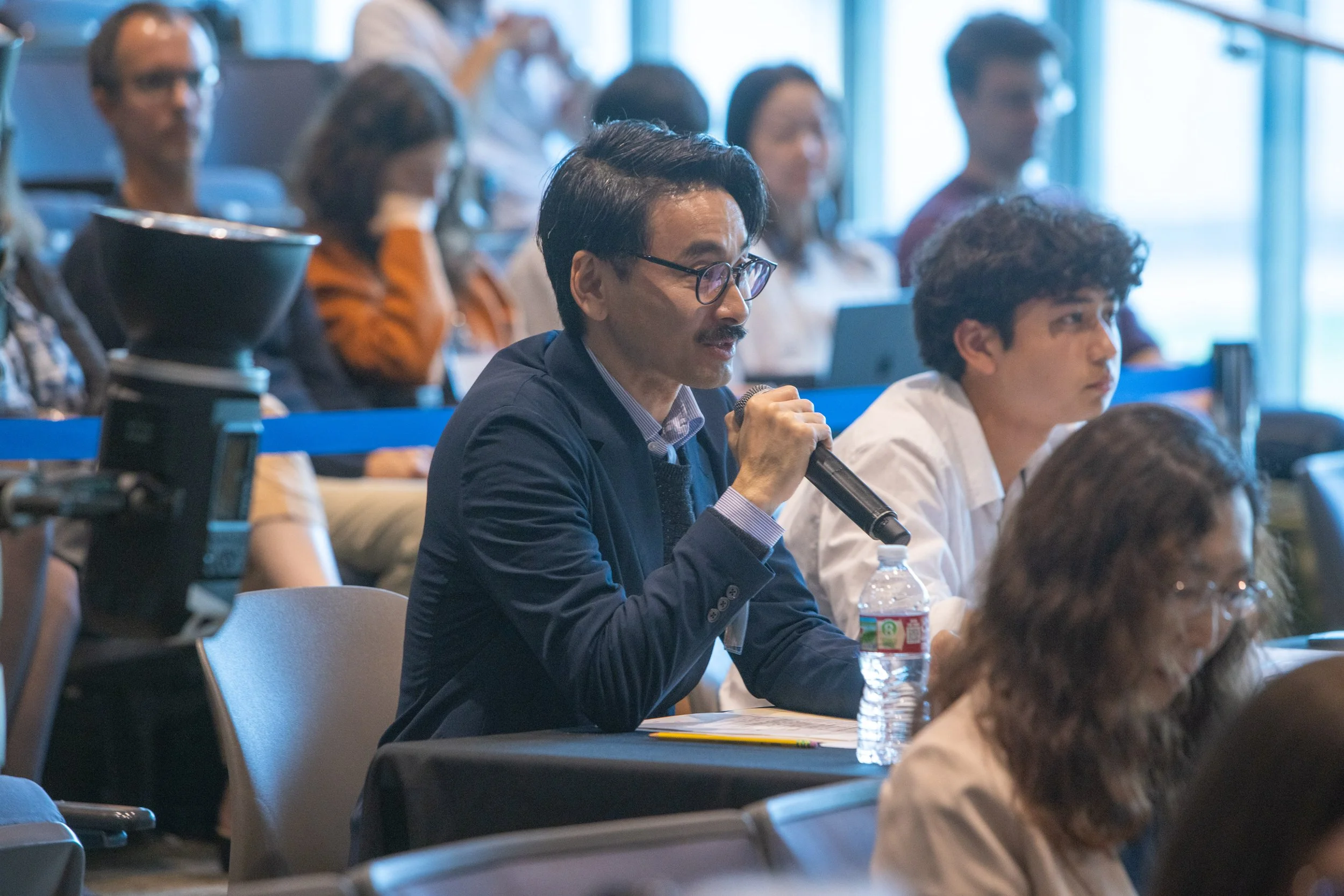
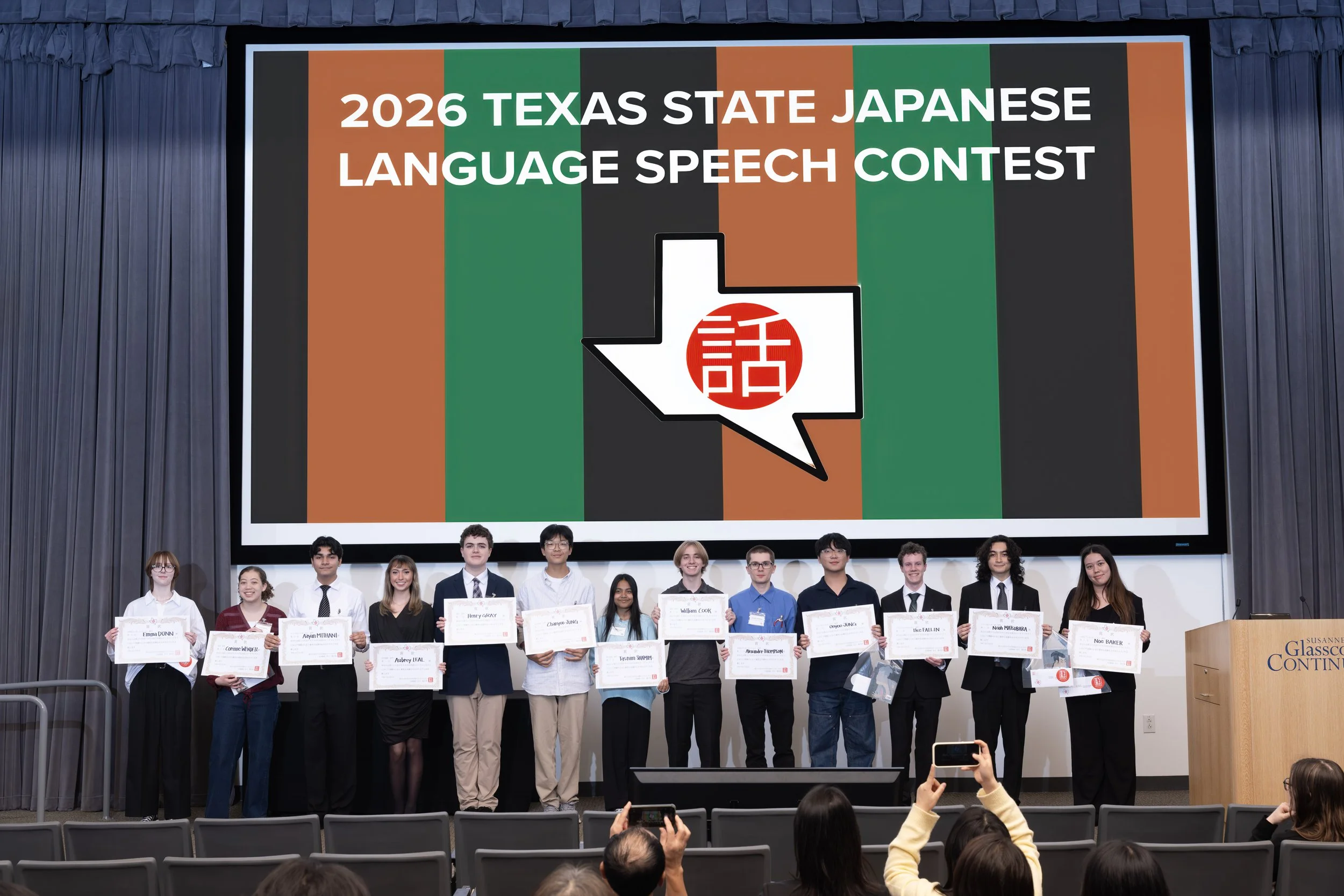
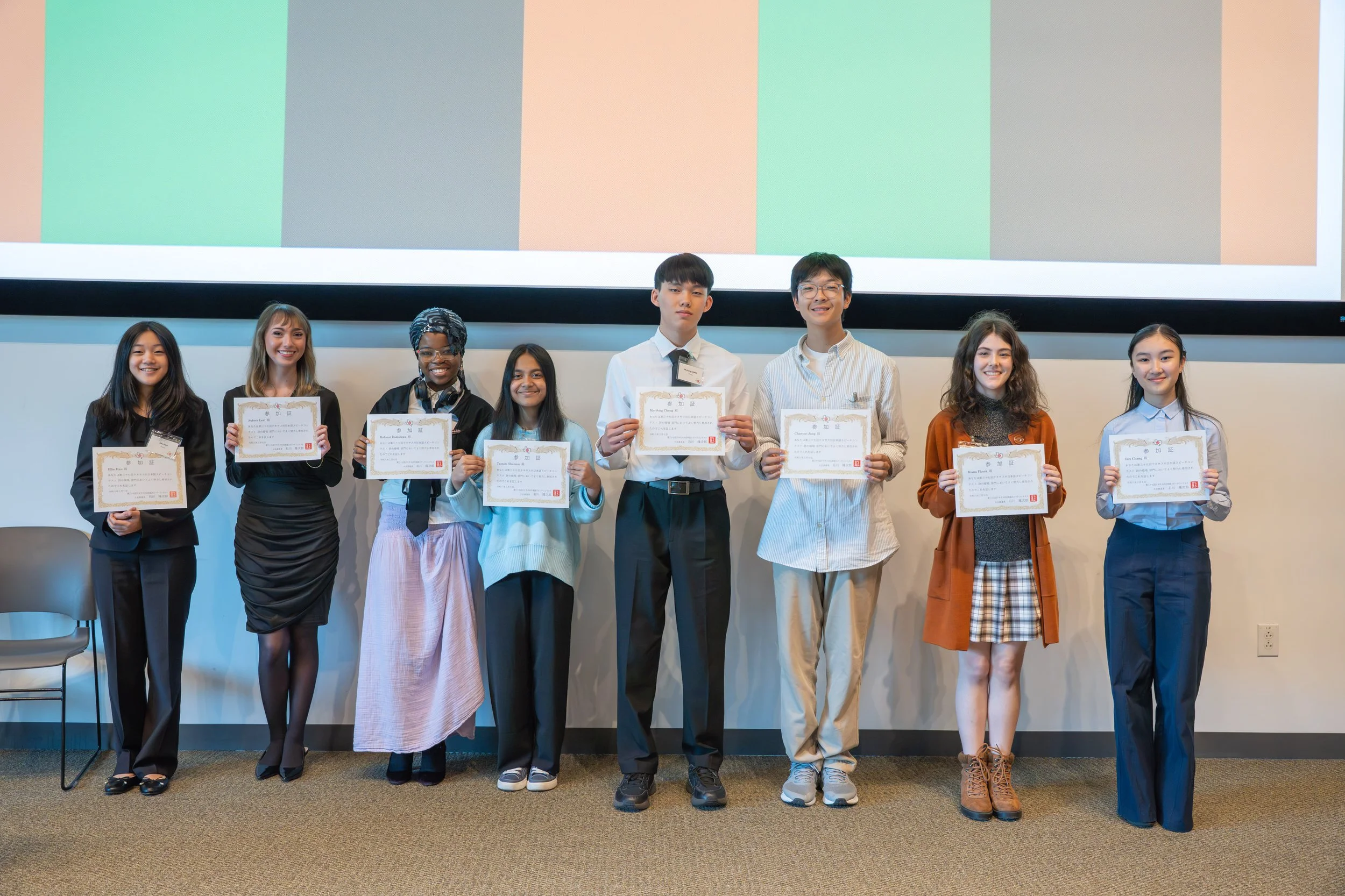
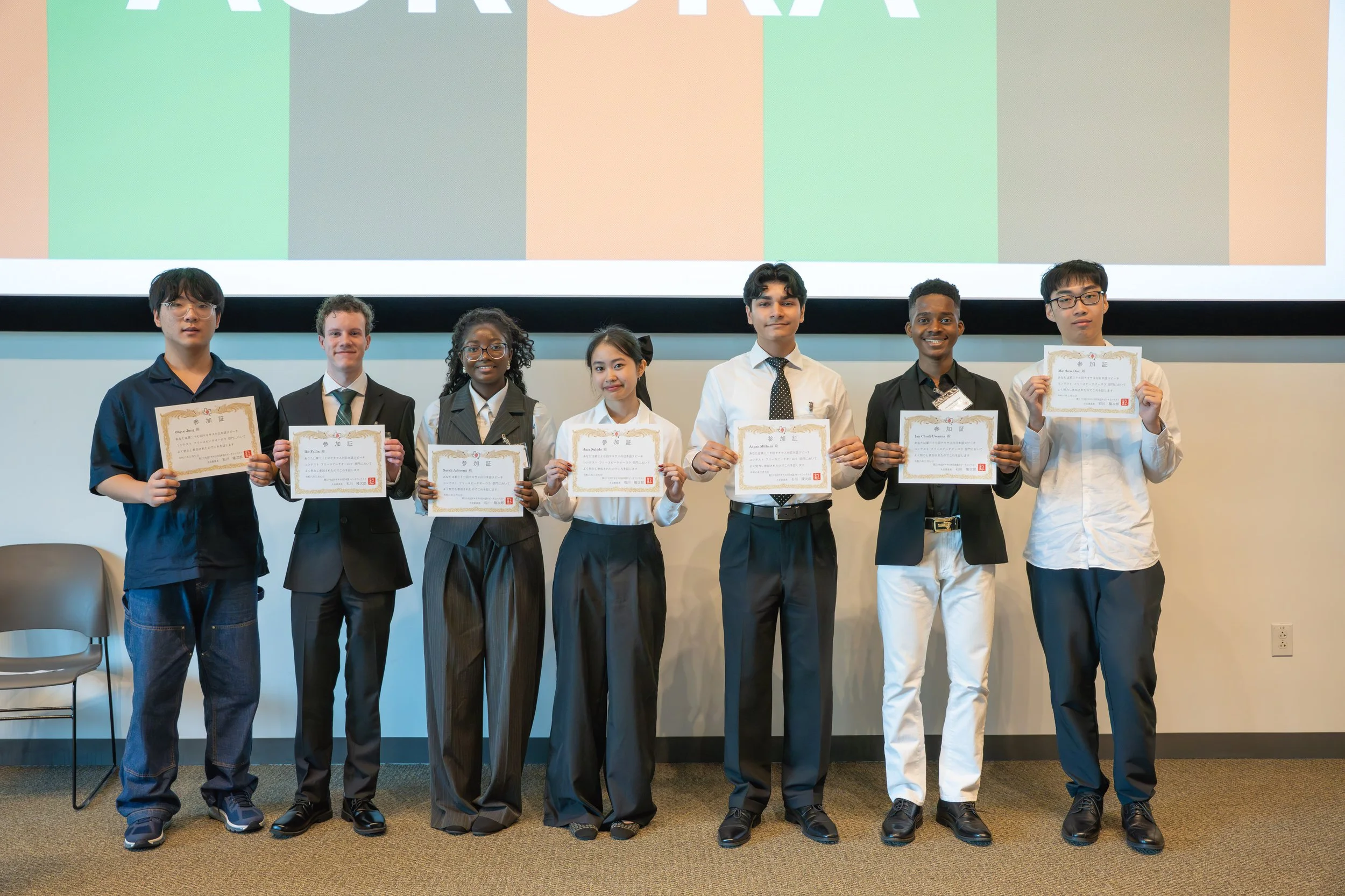
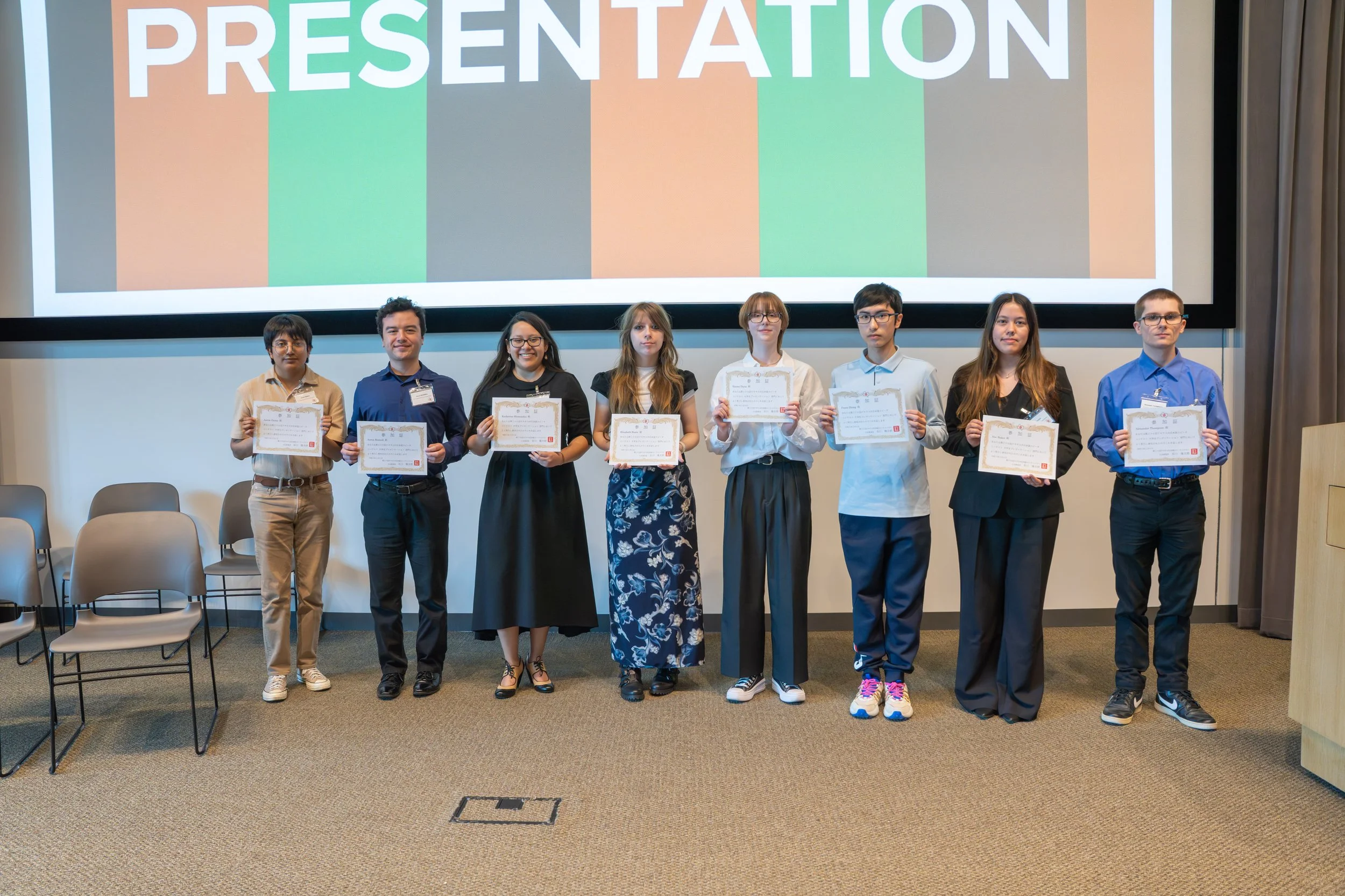
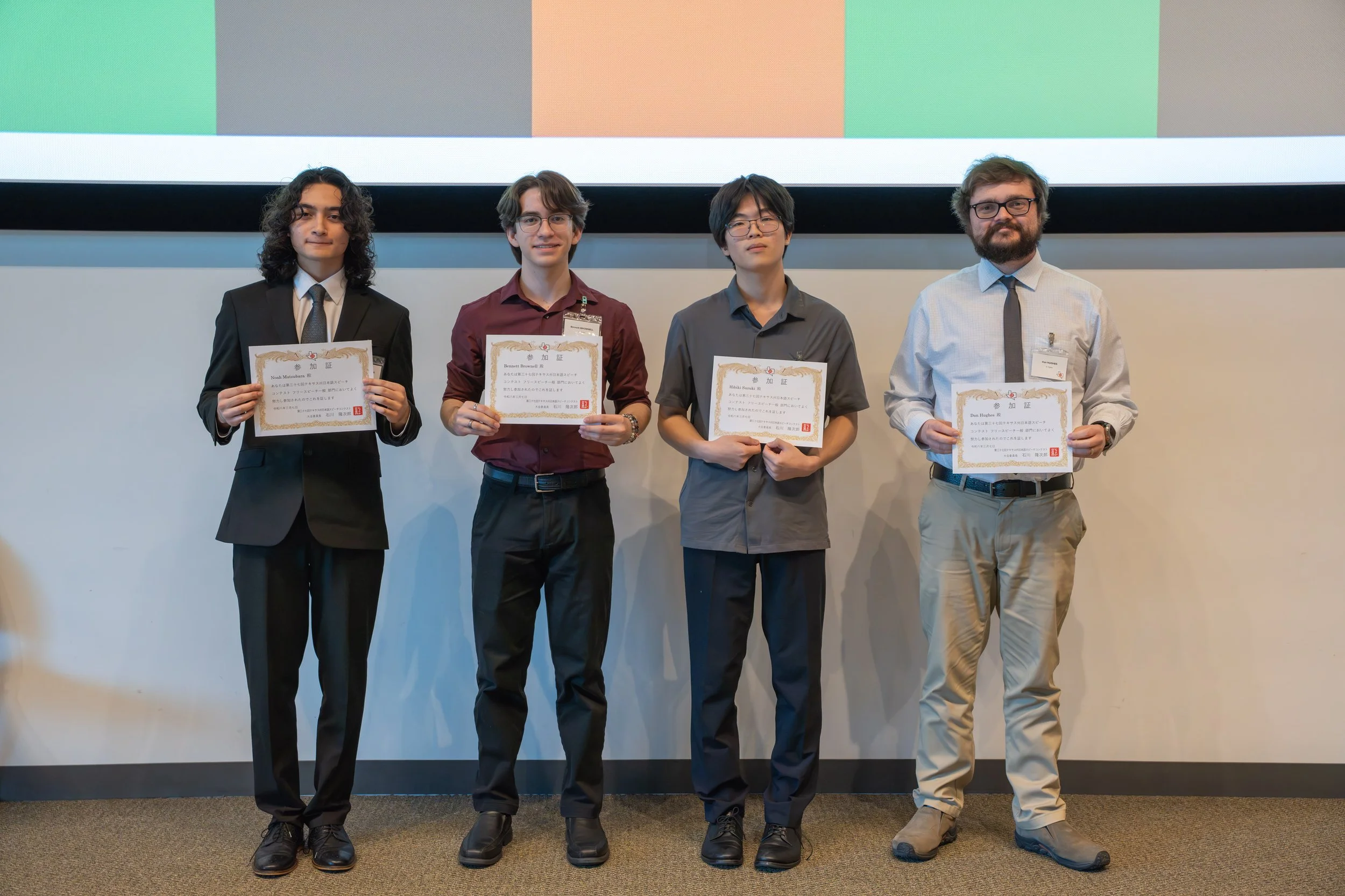
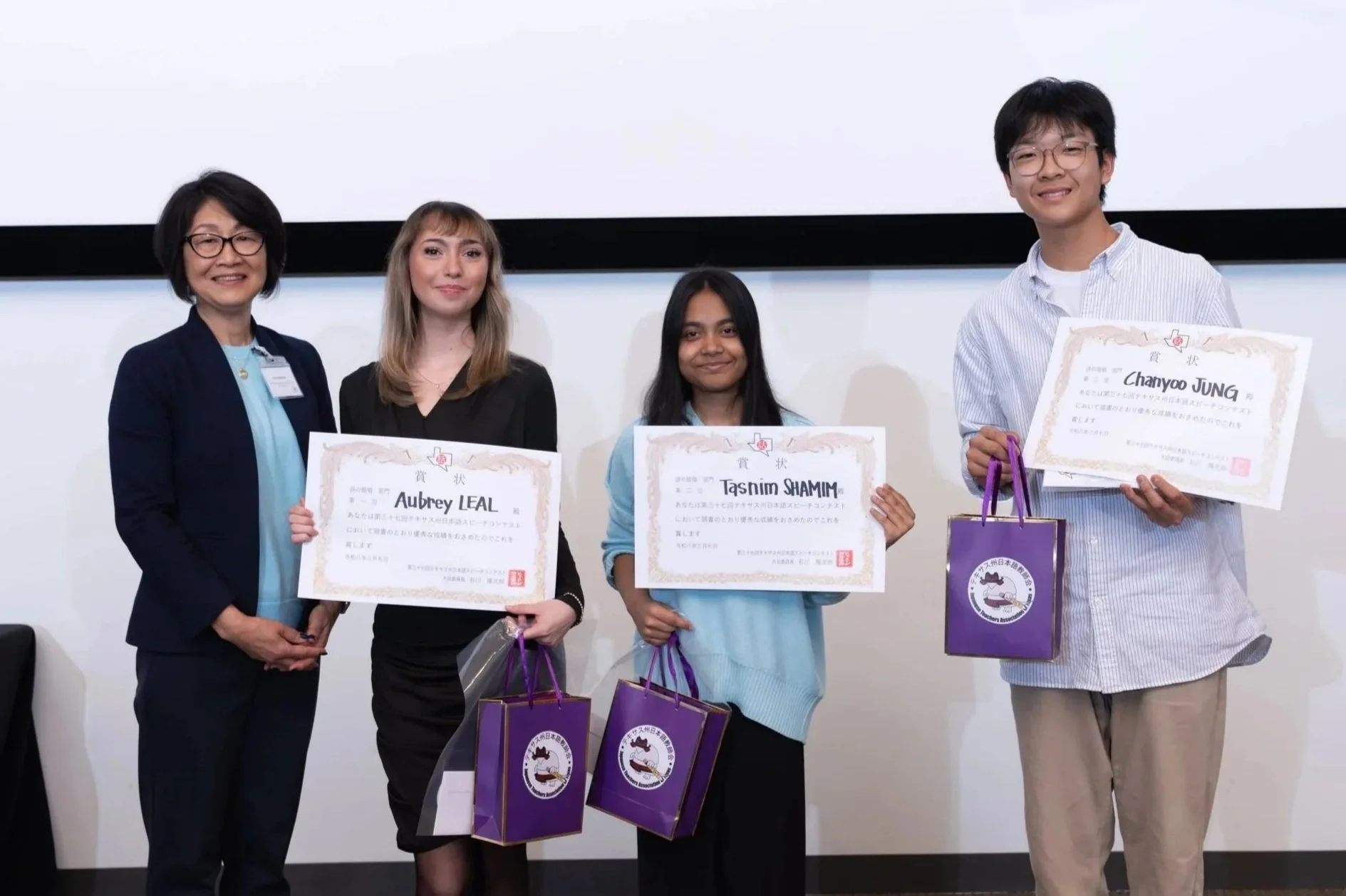
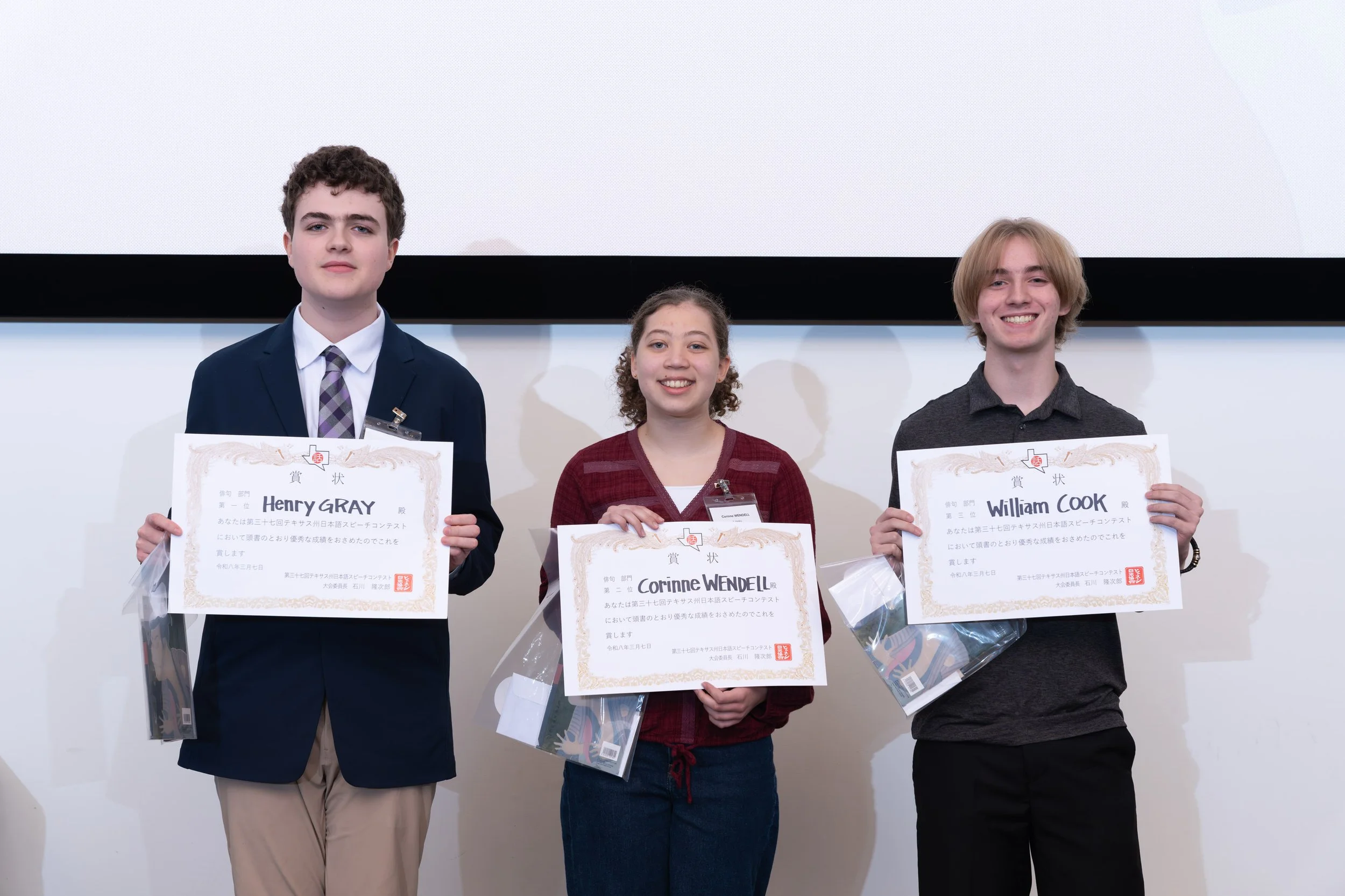
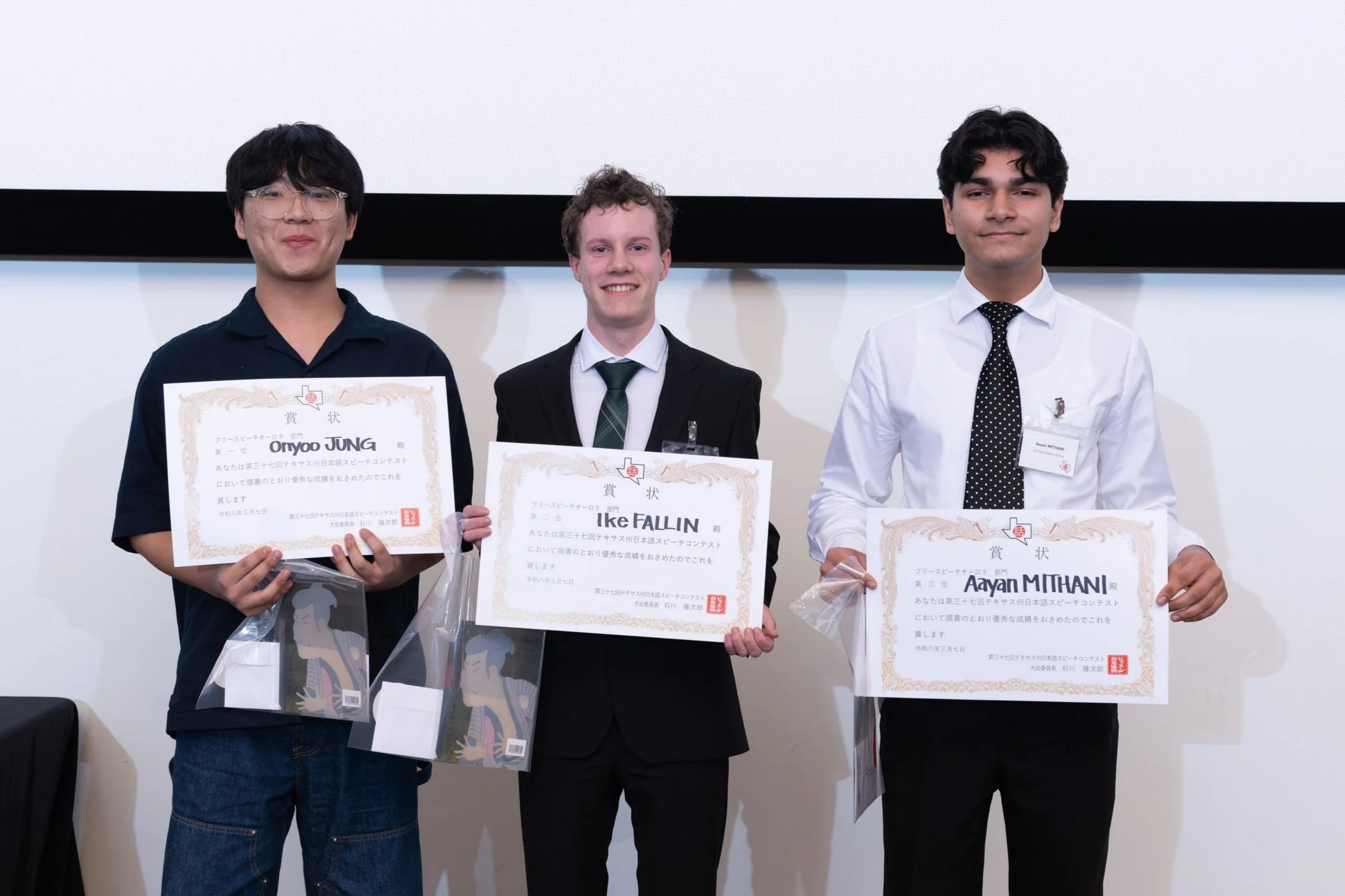
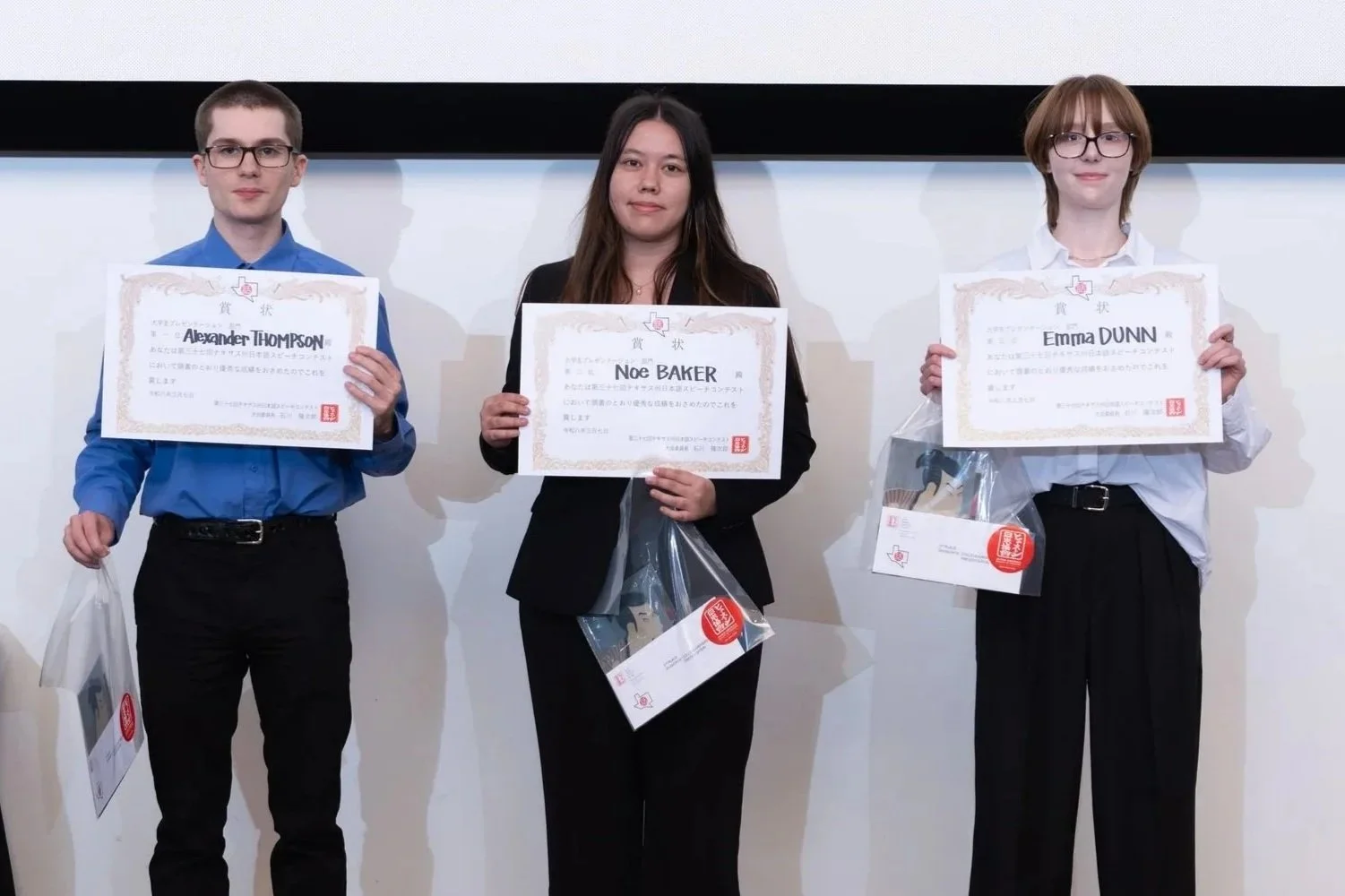
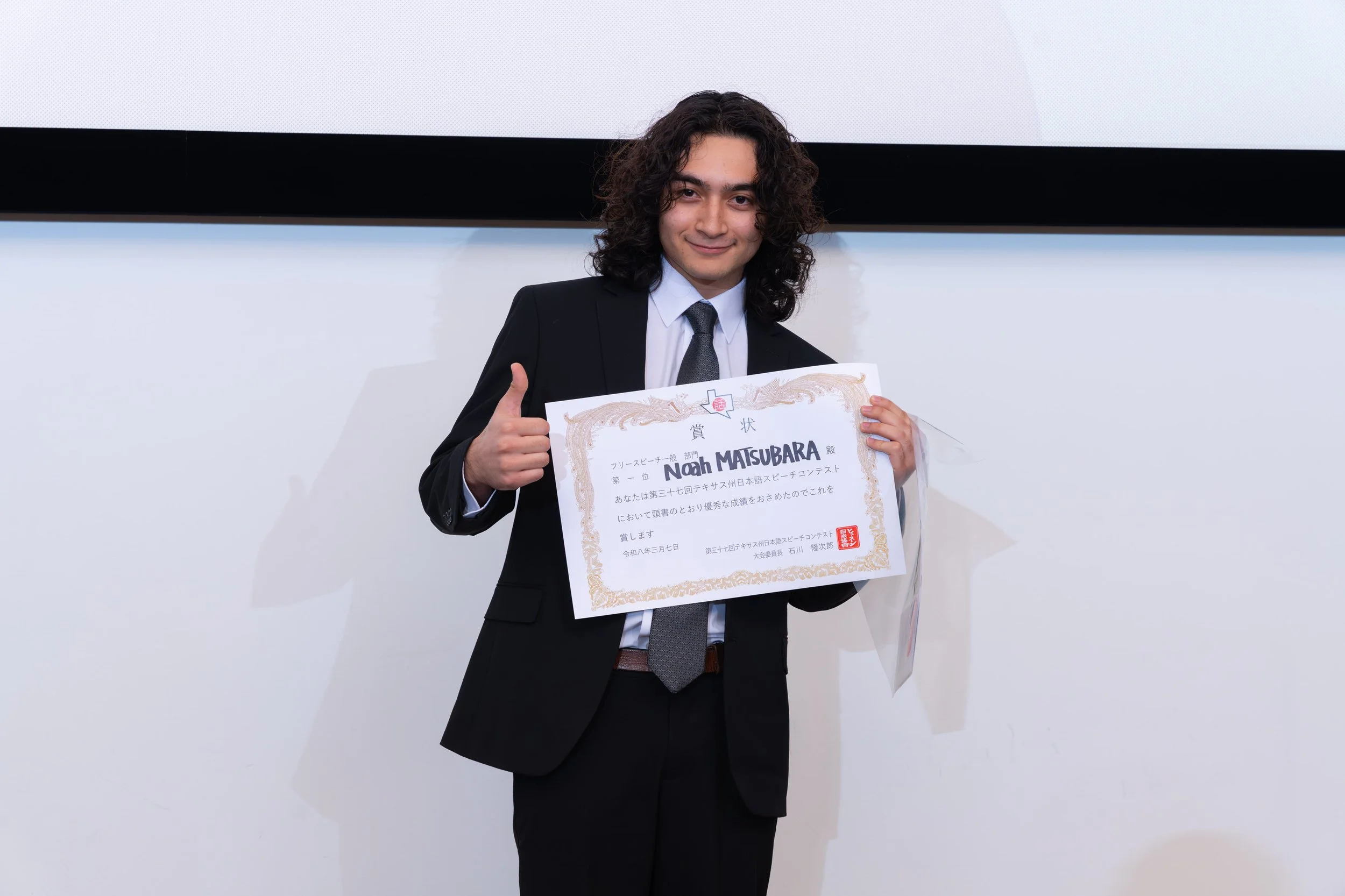
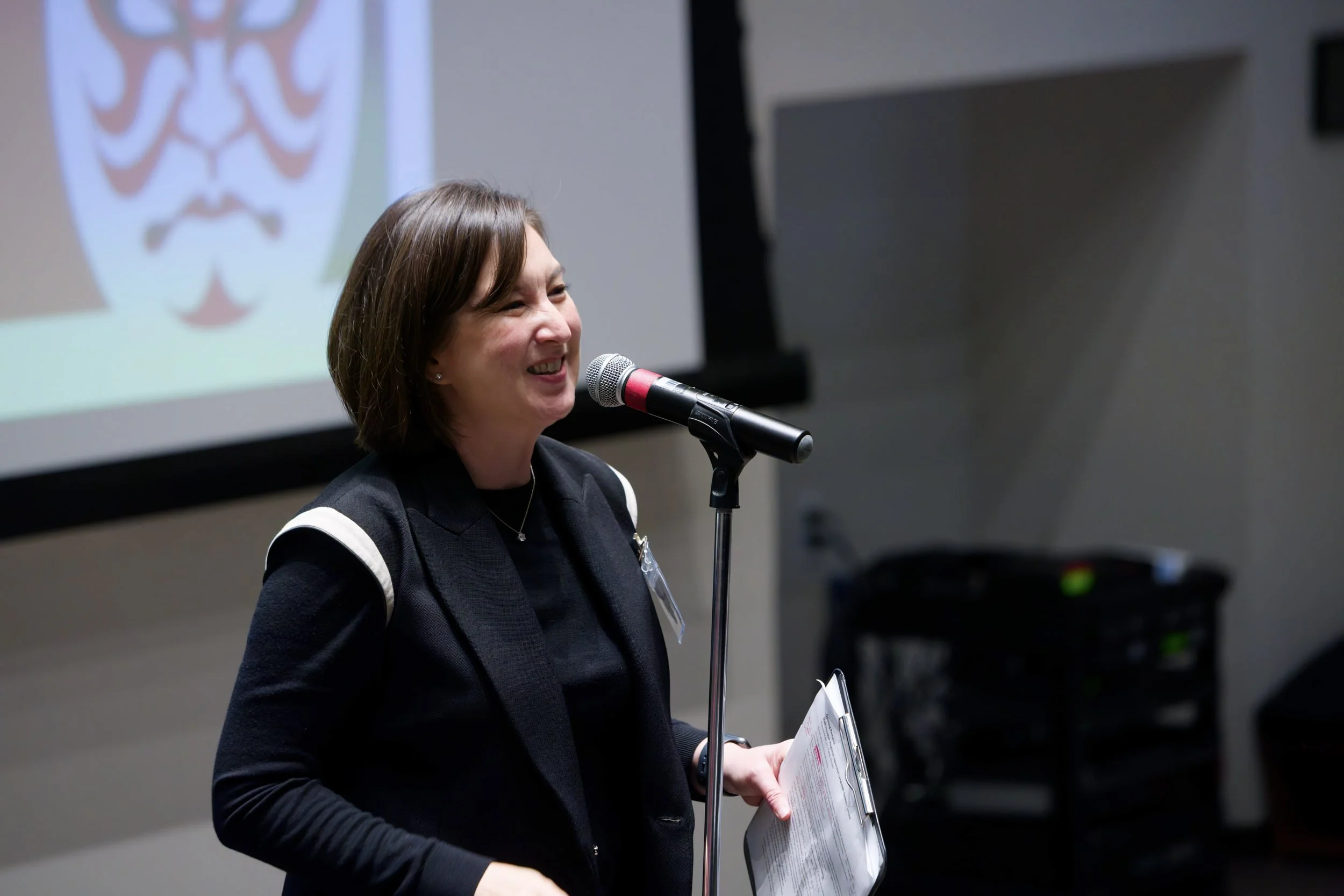
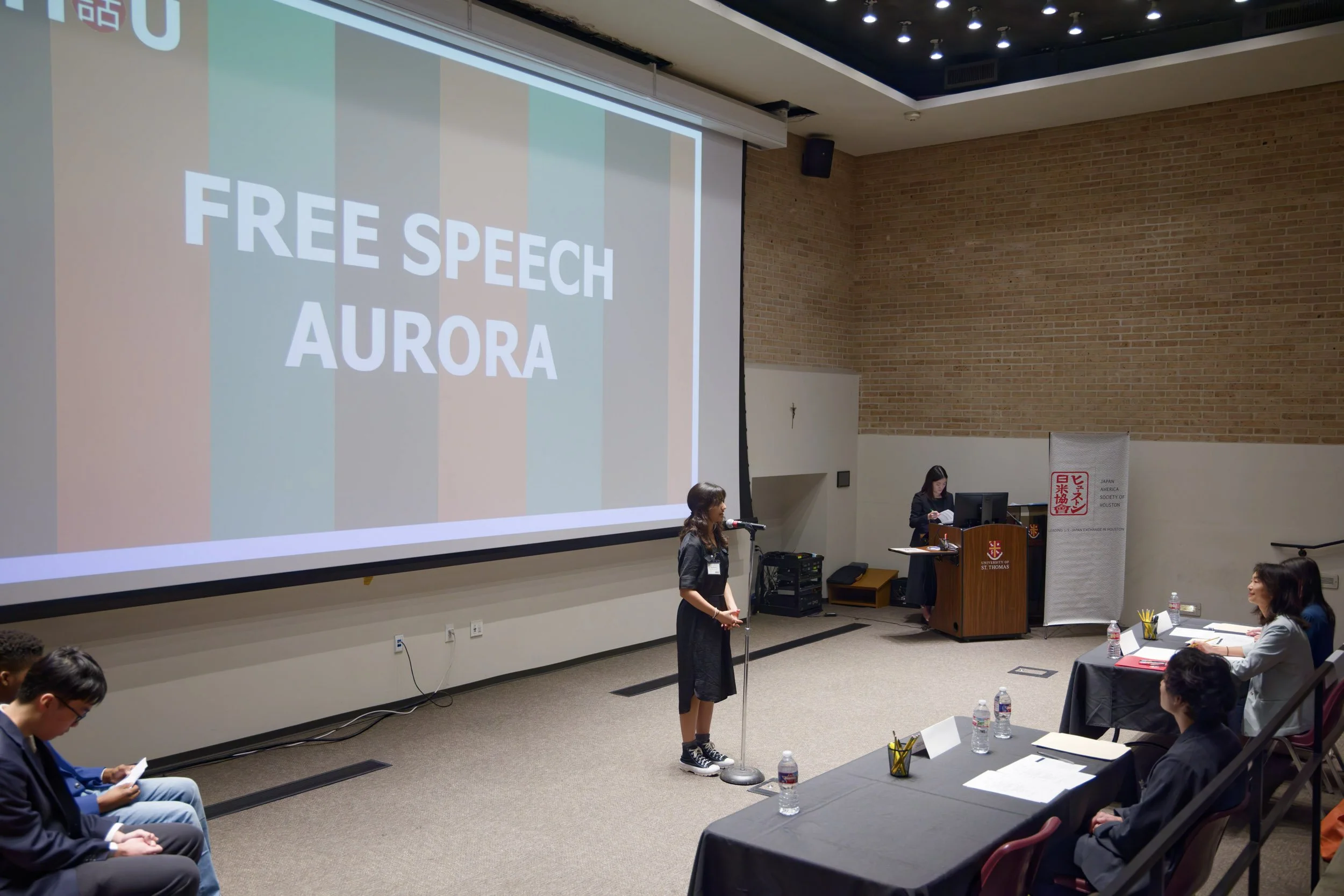
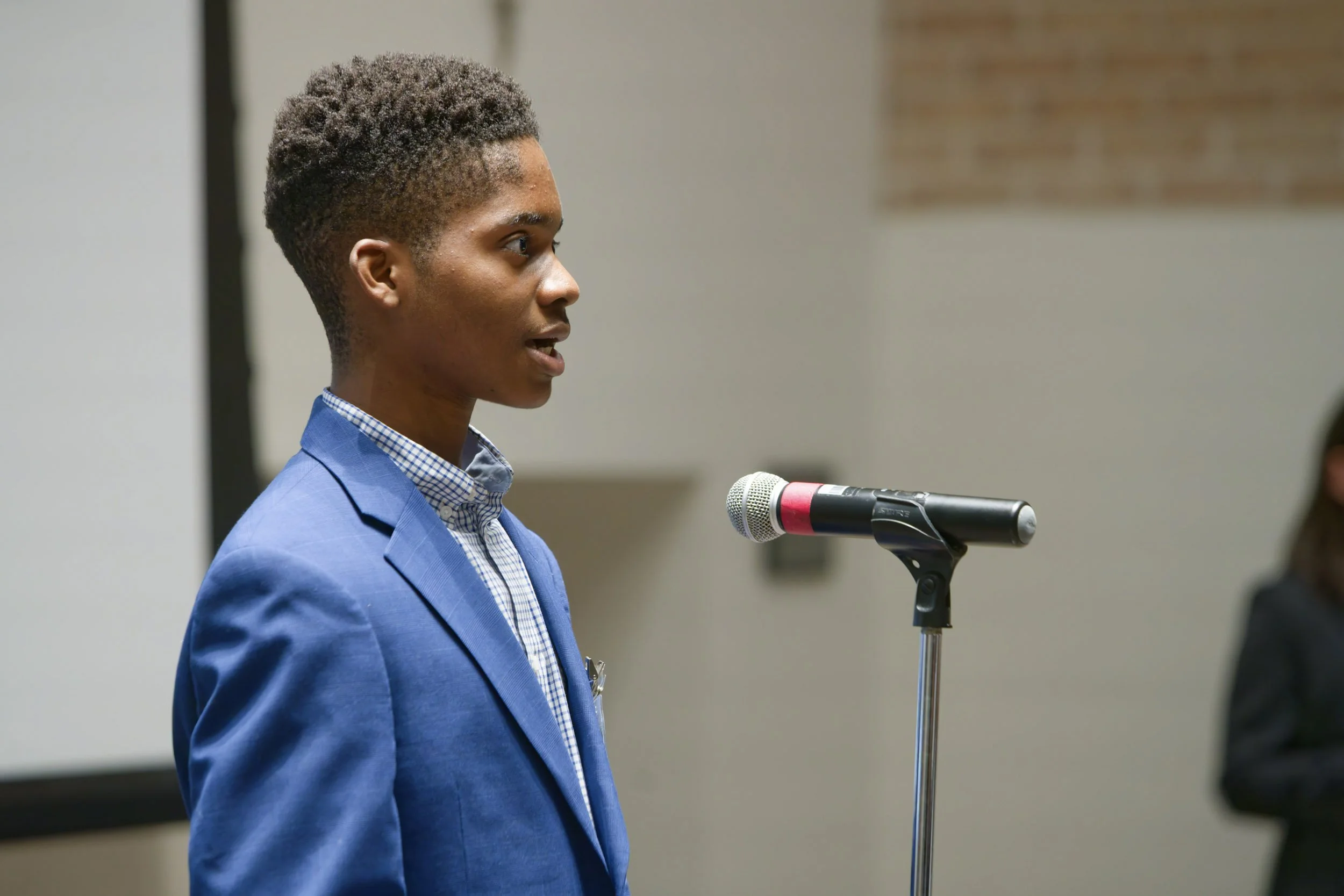
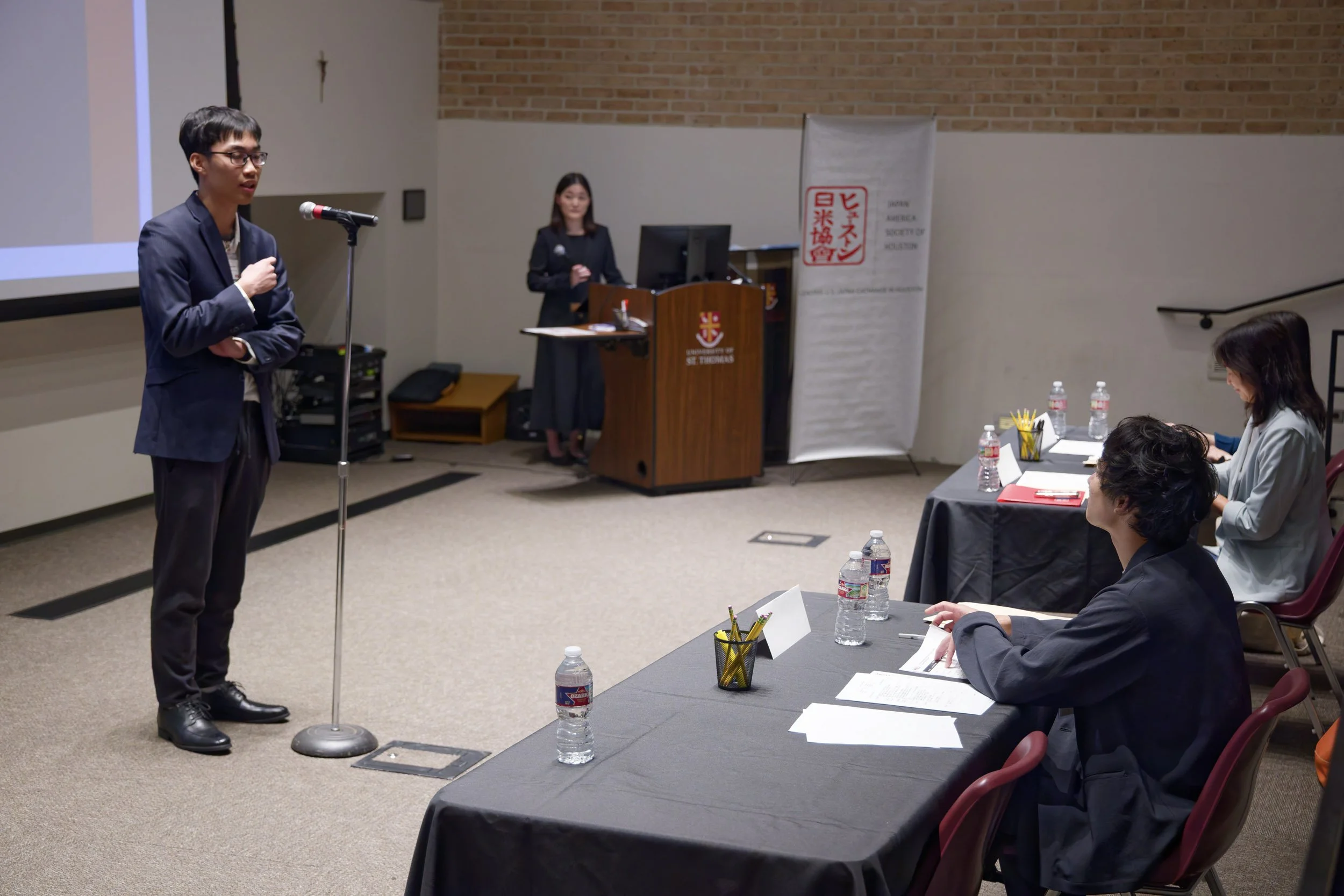
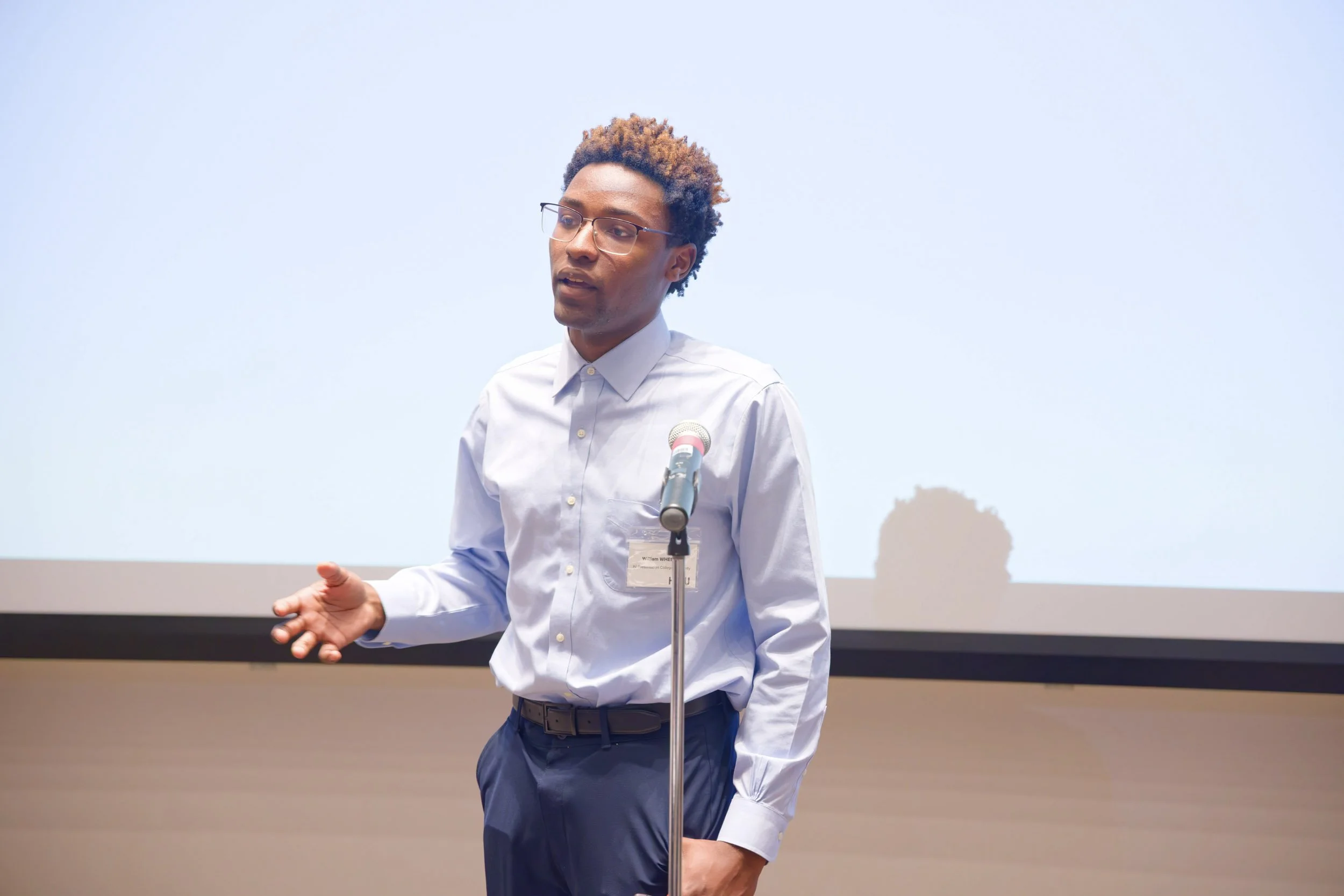
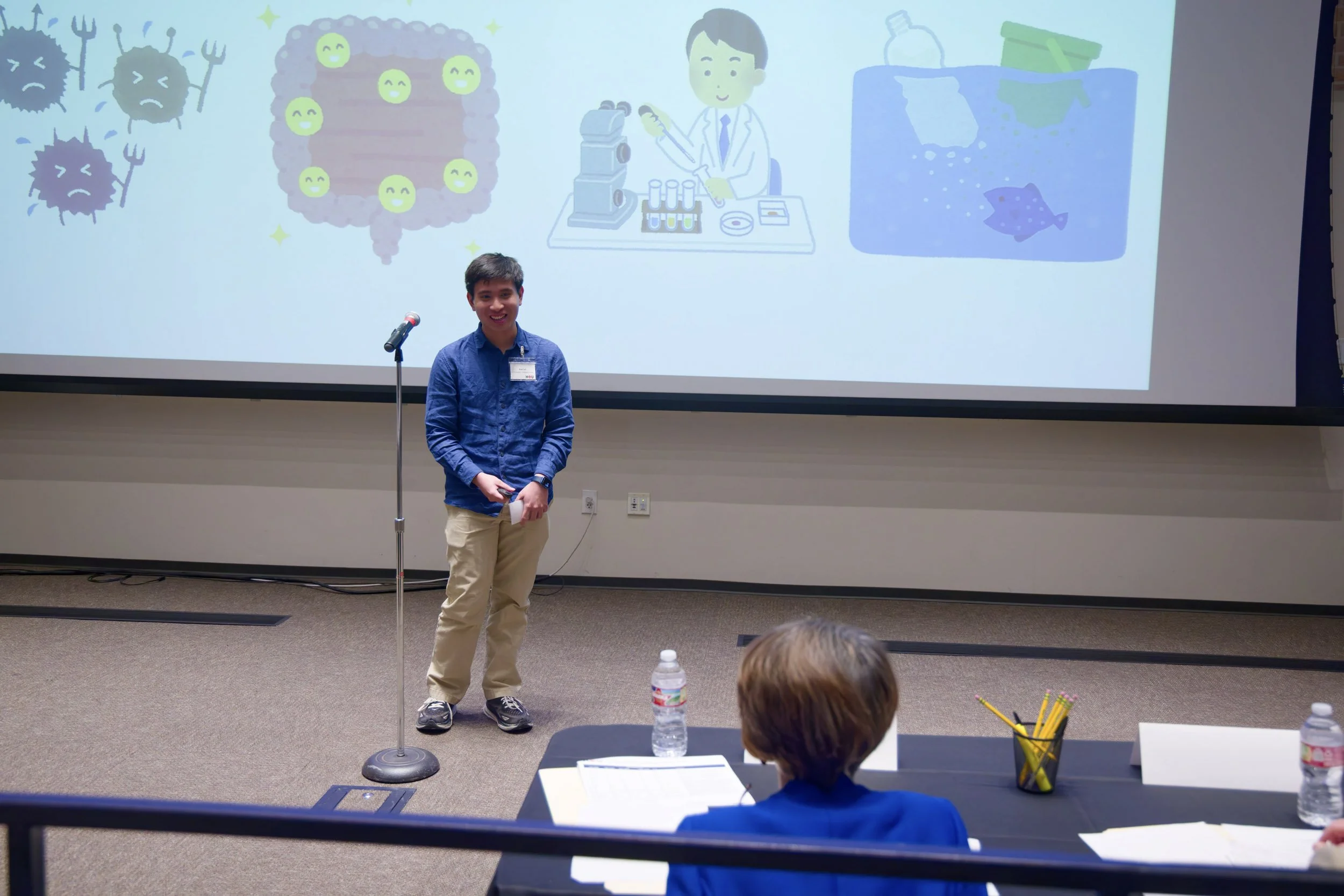
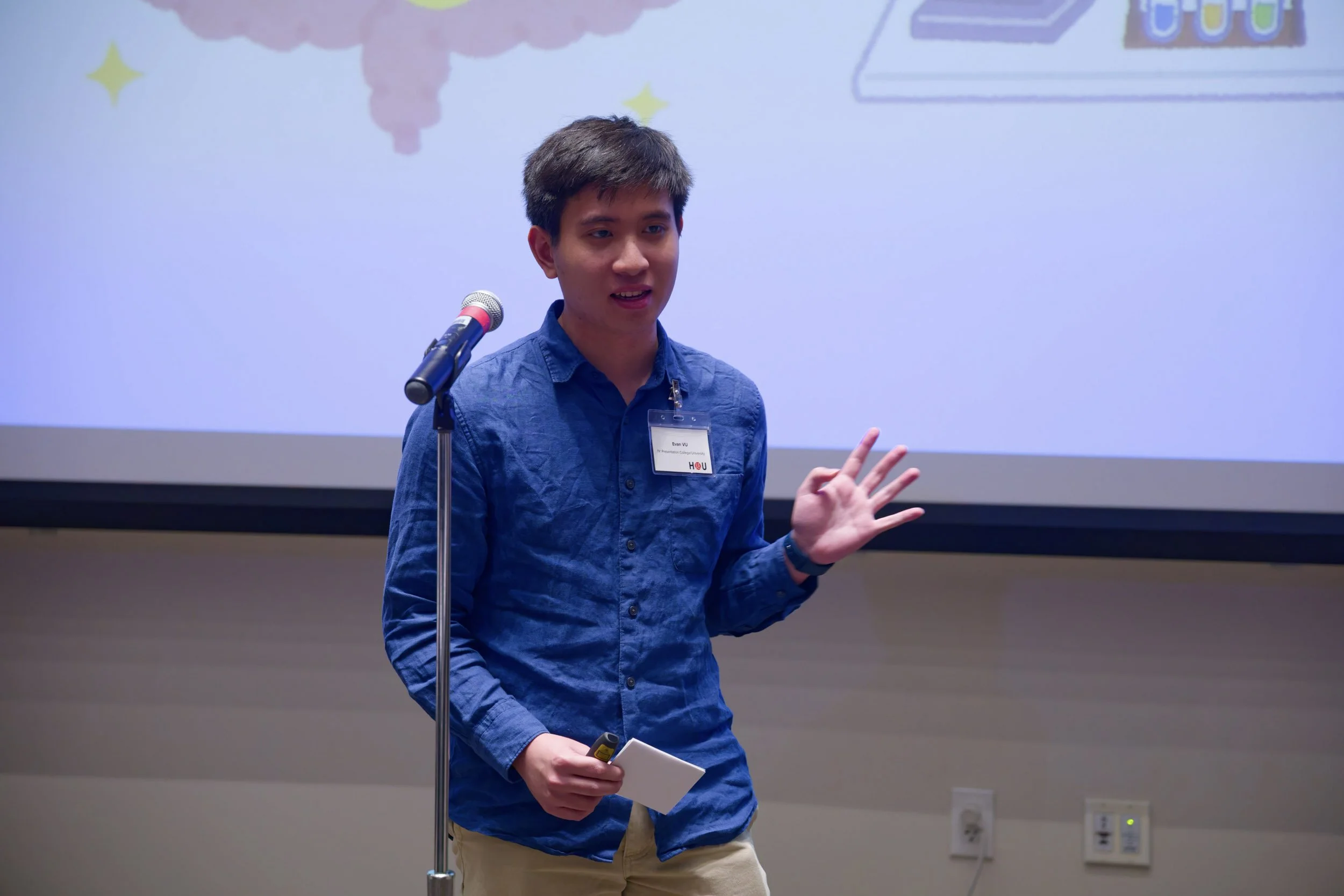
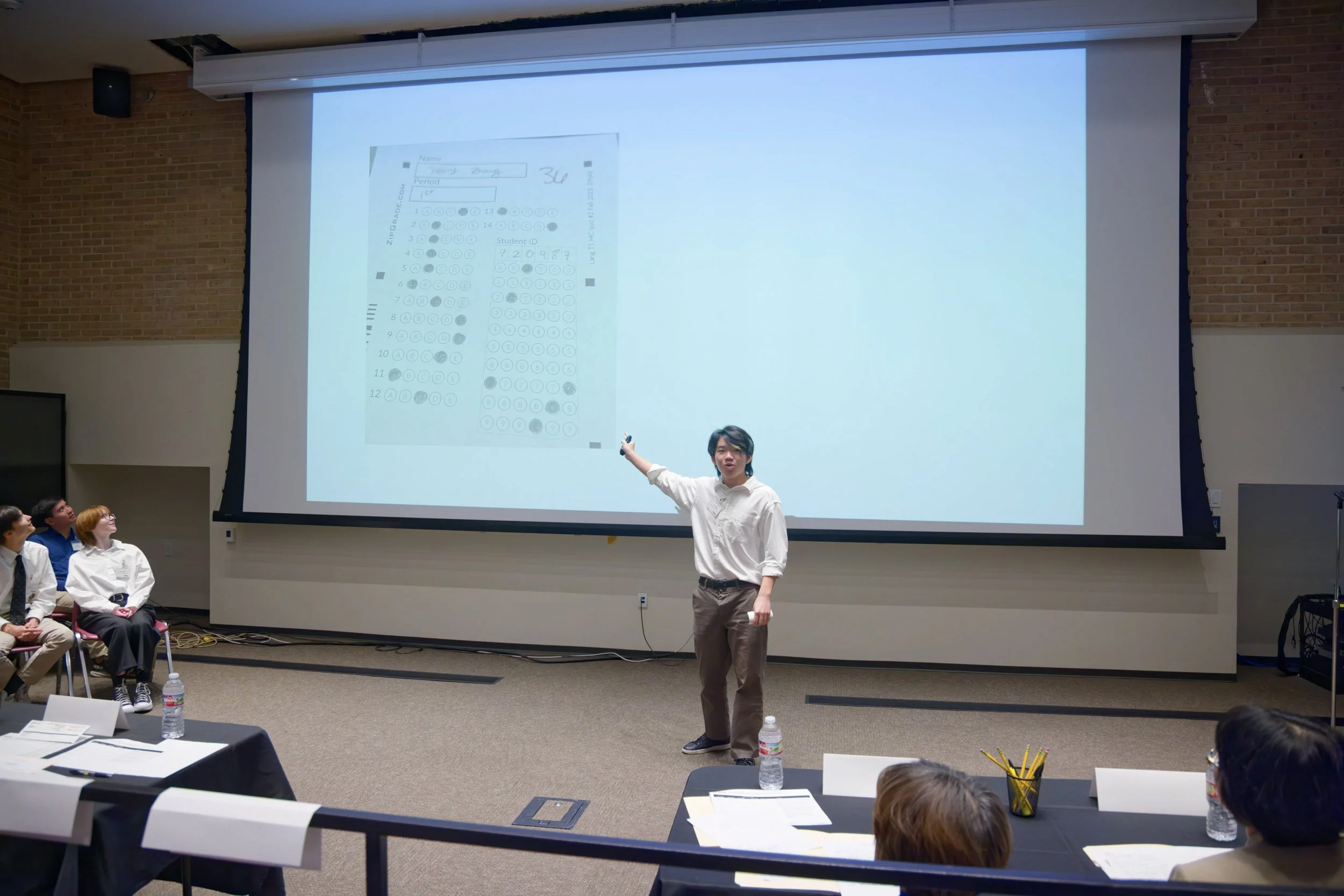
2026 Houston Regional Japanese Language Speech Contest Celebrates Expression and Excellence

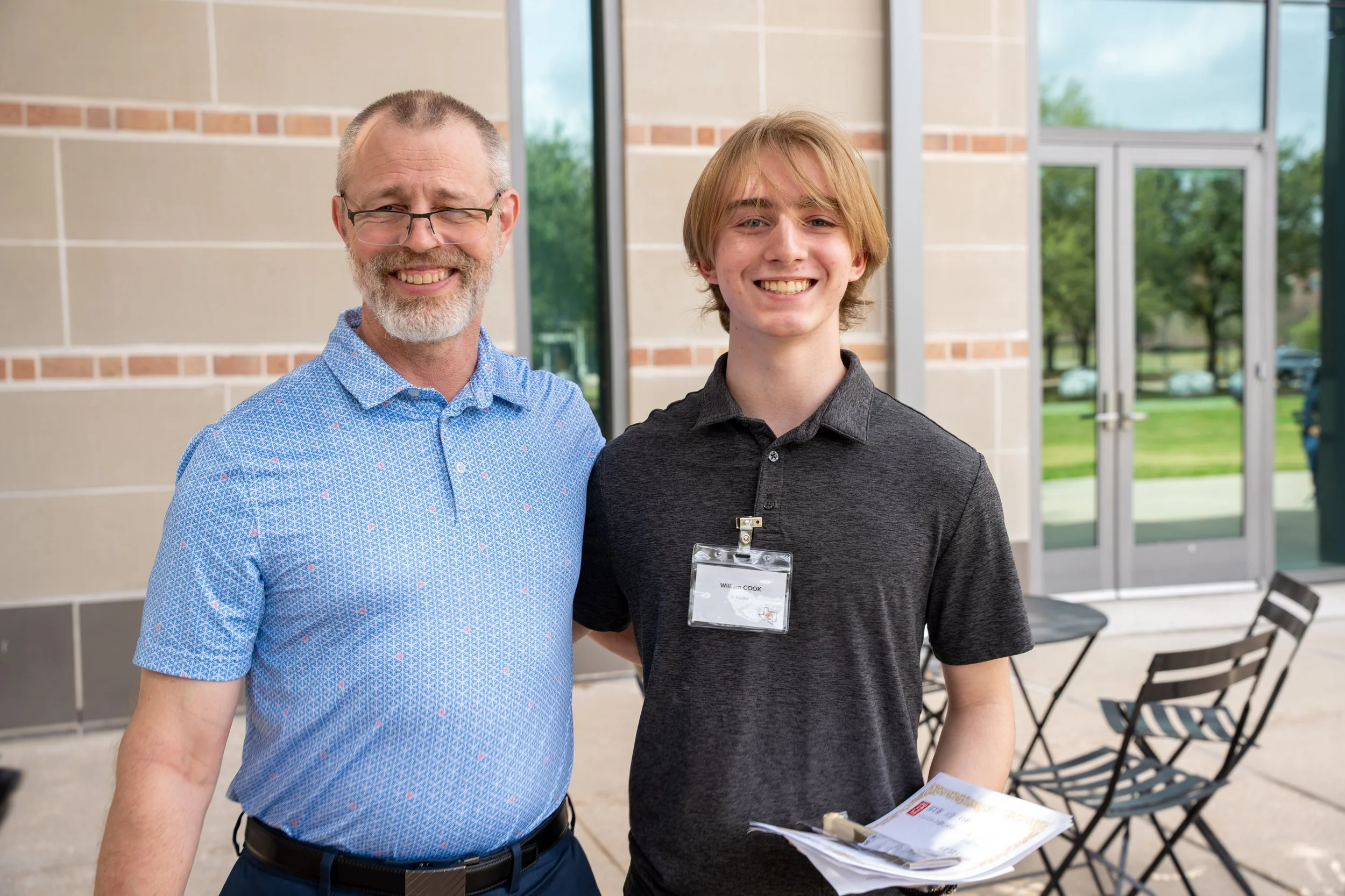
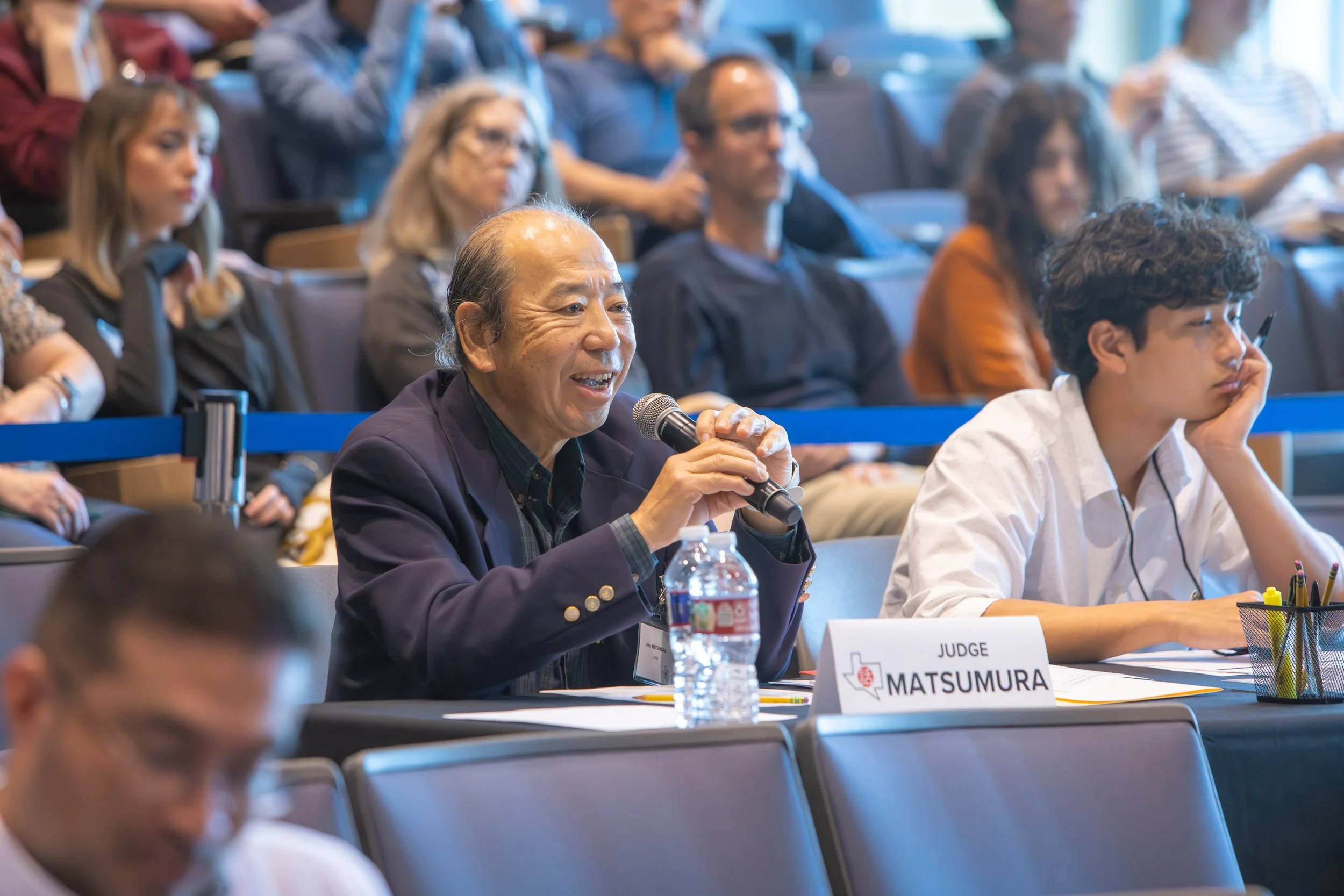
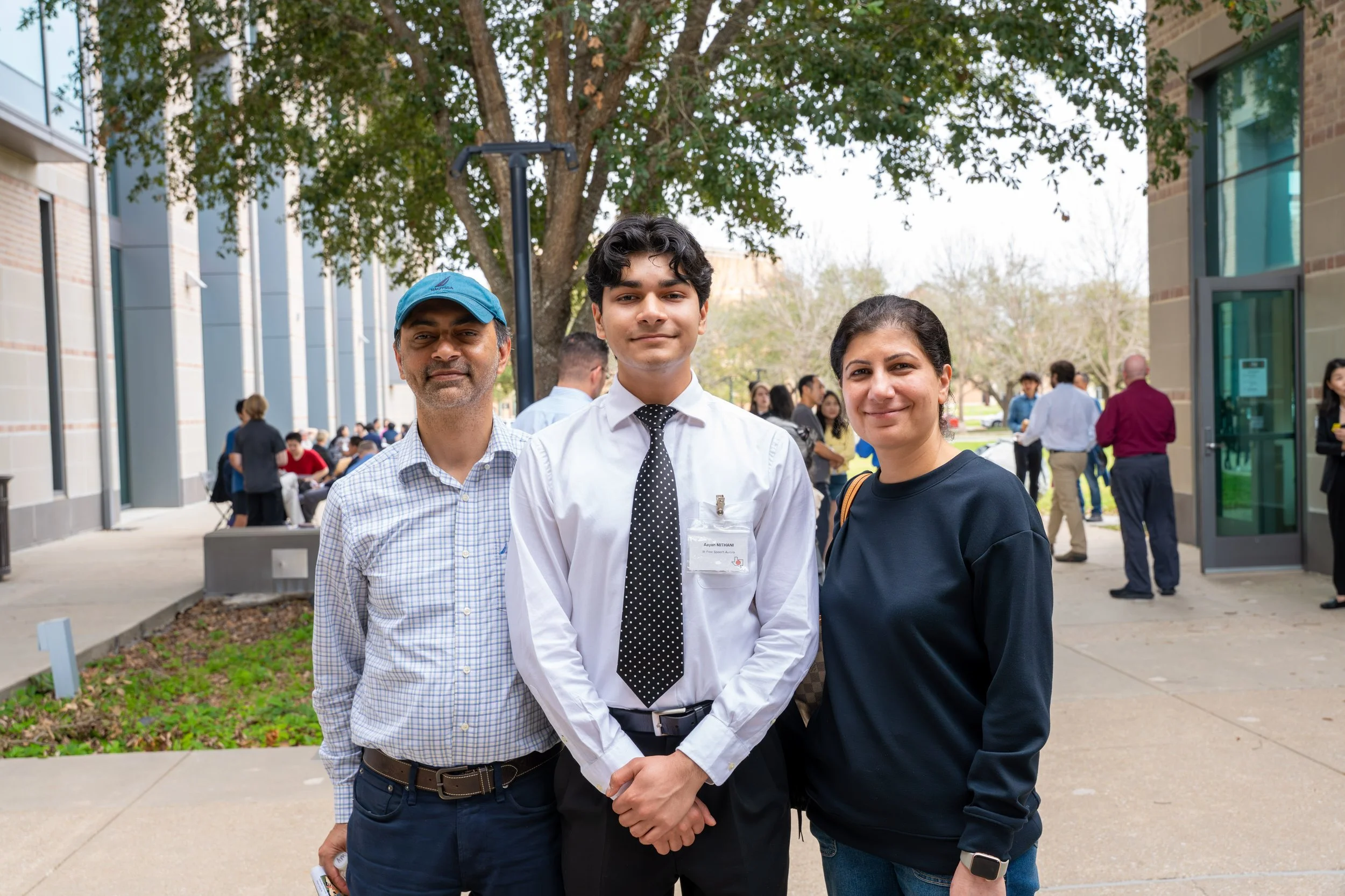
photos by Night.Sky.Creative

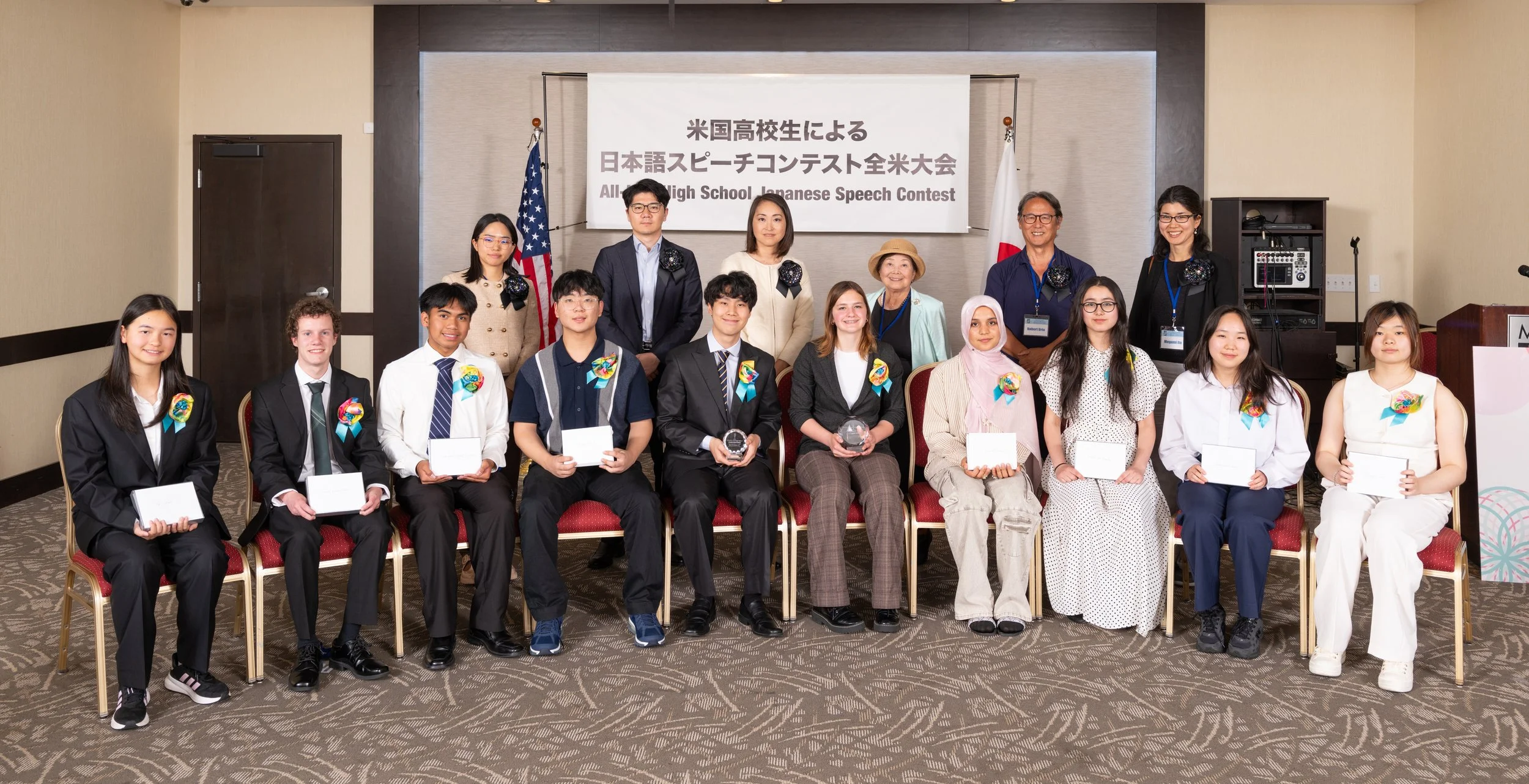
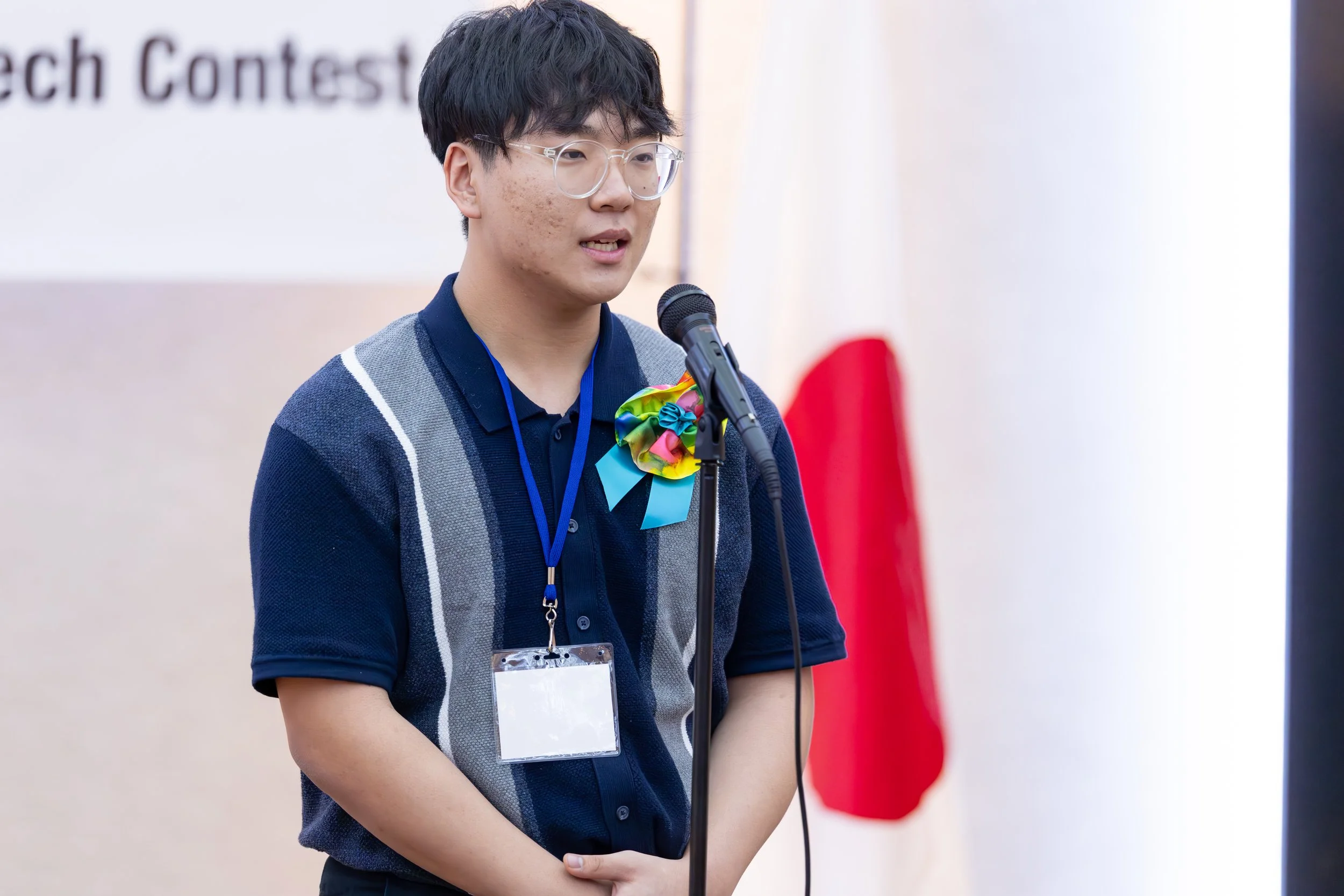
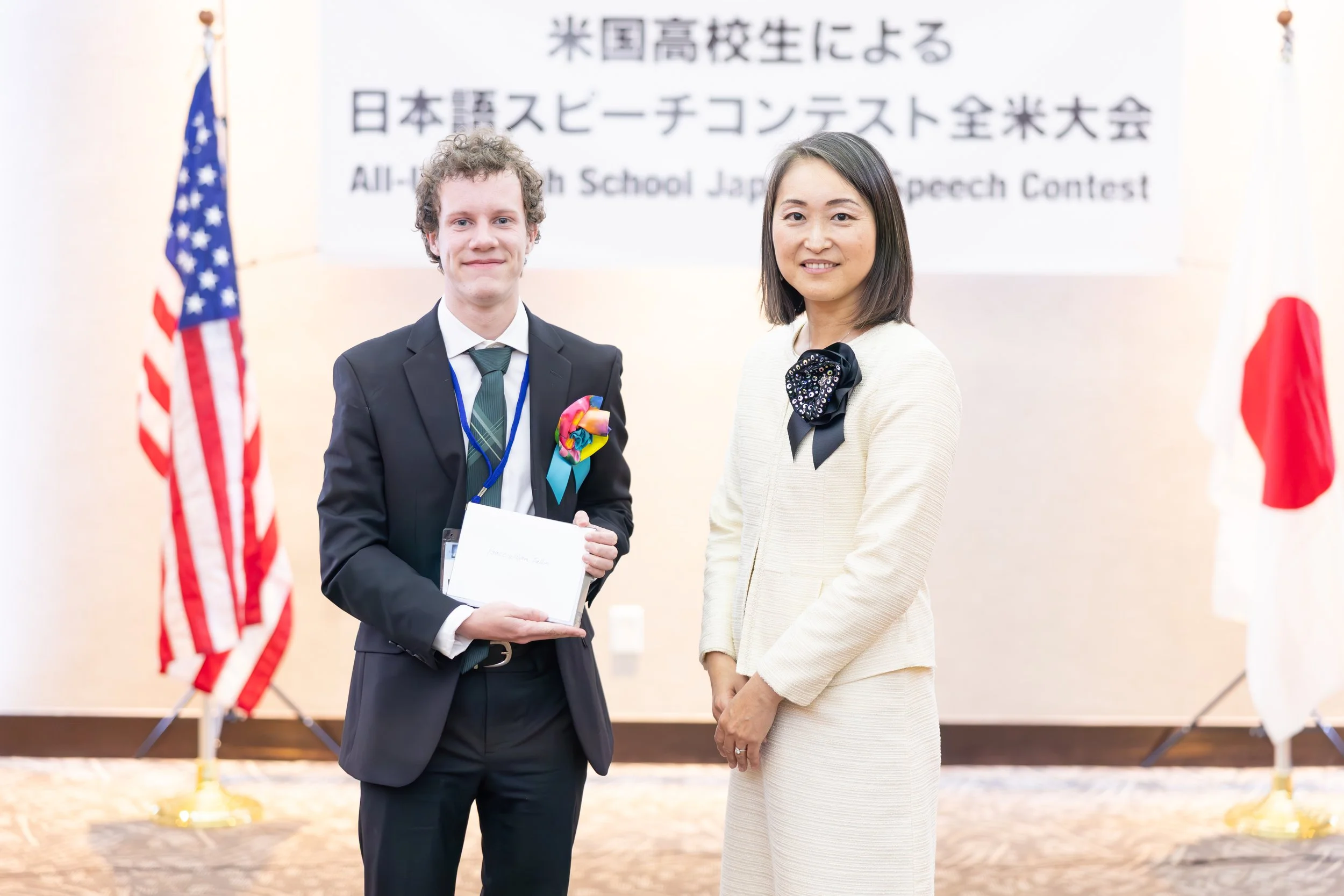
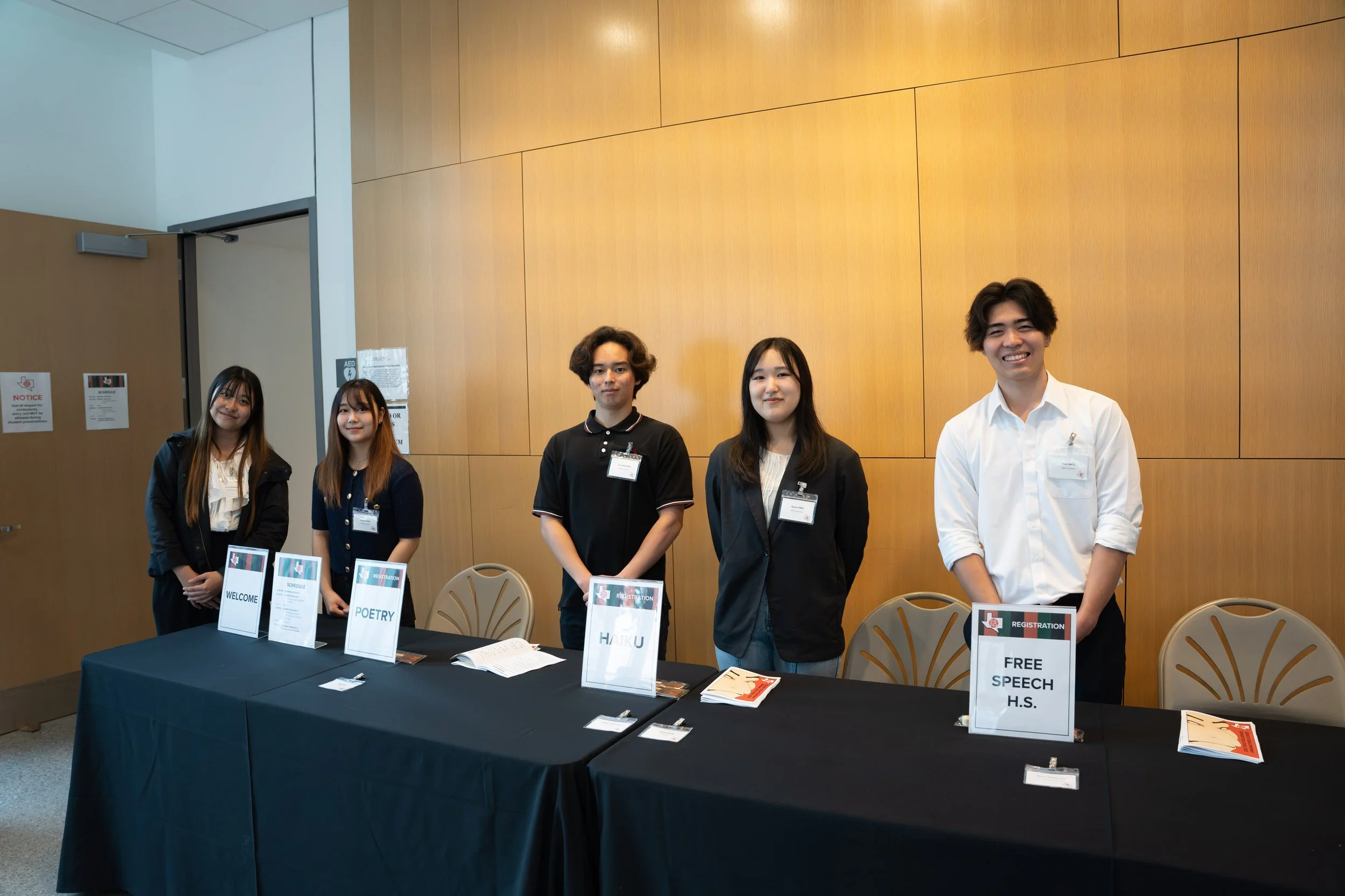
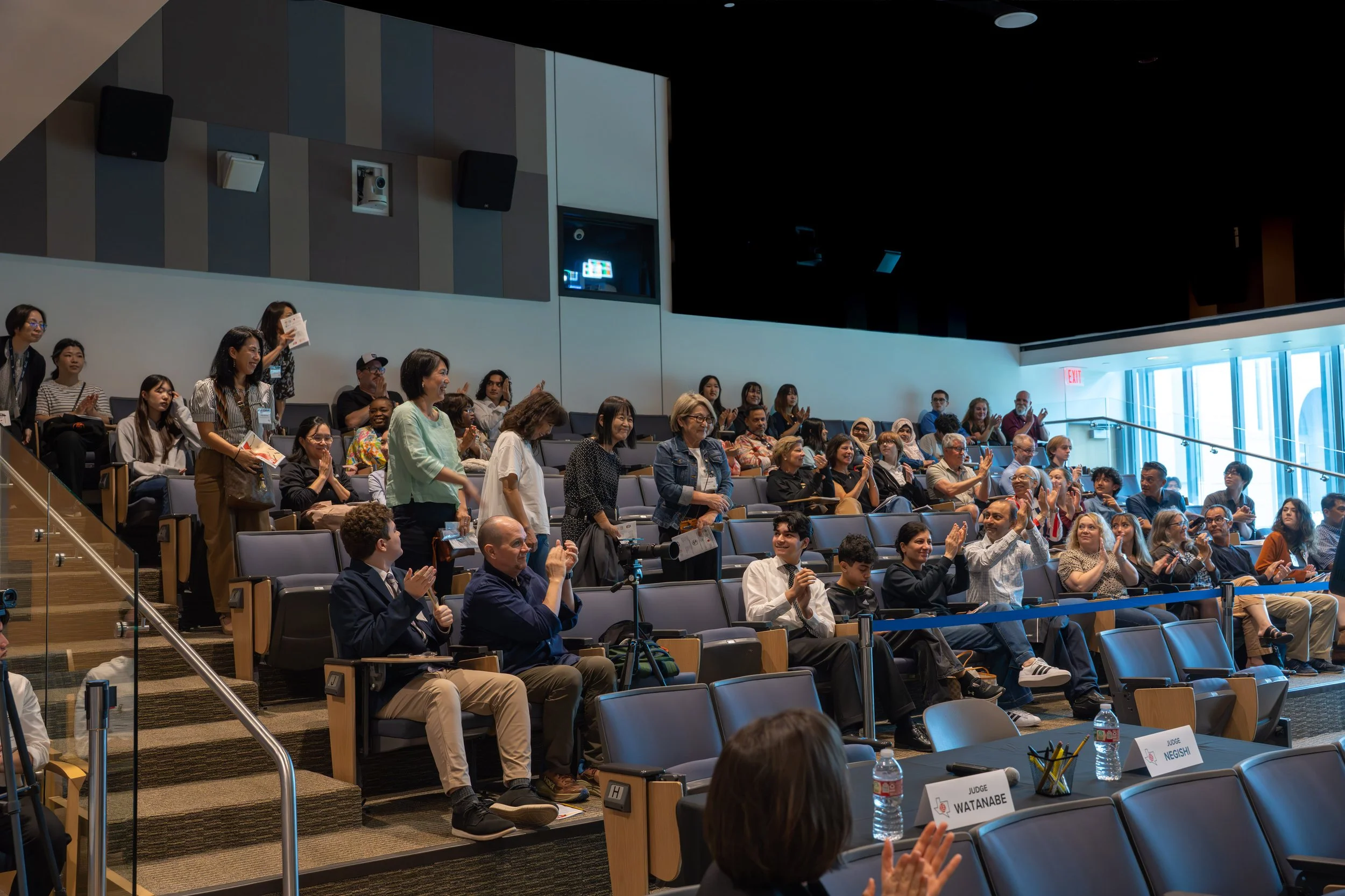
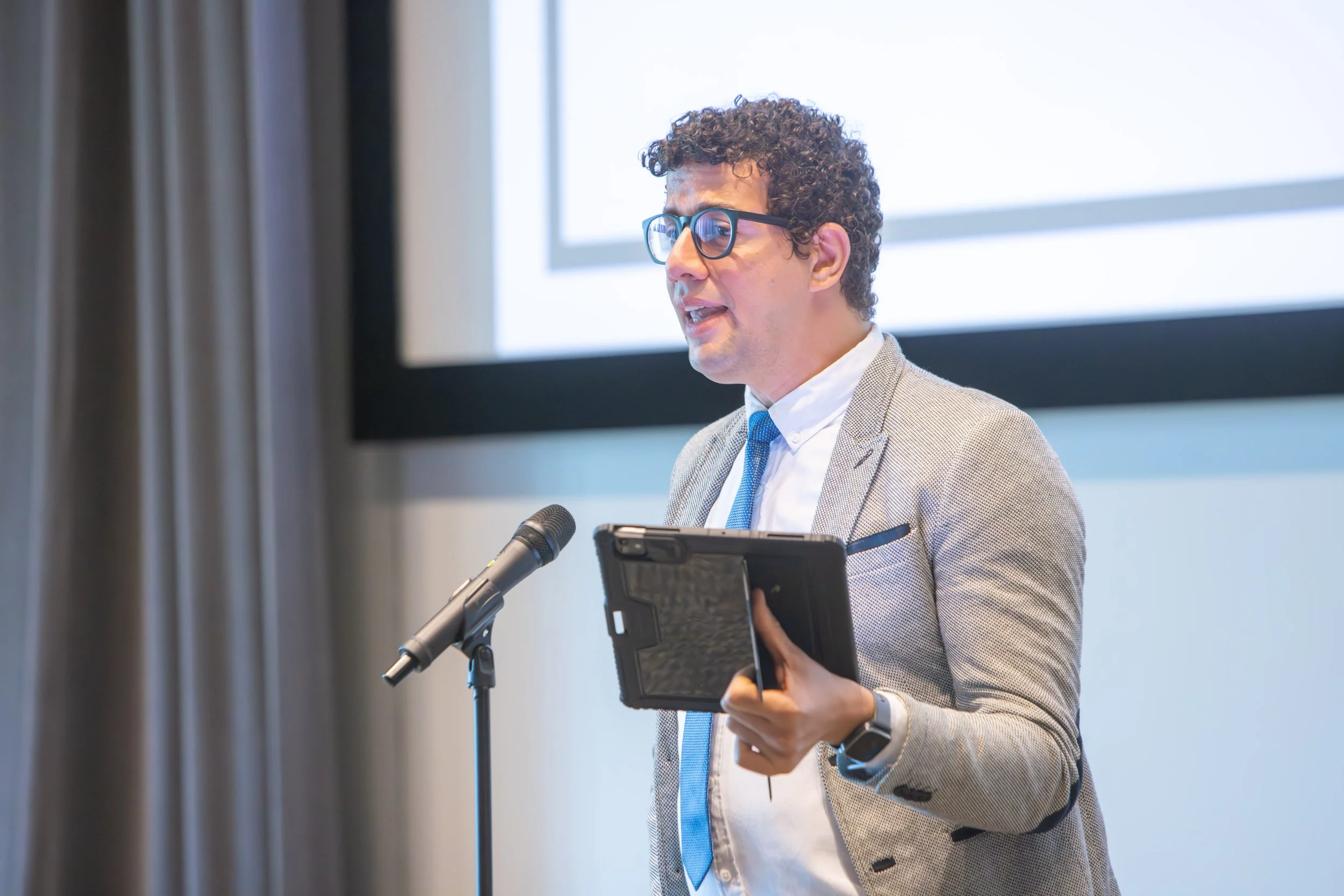
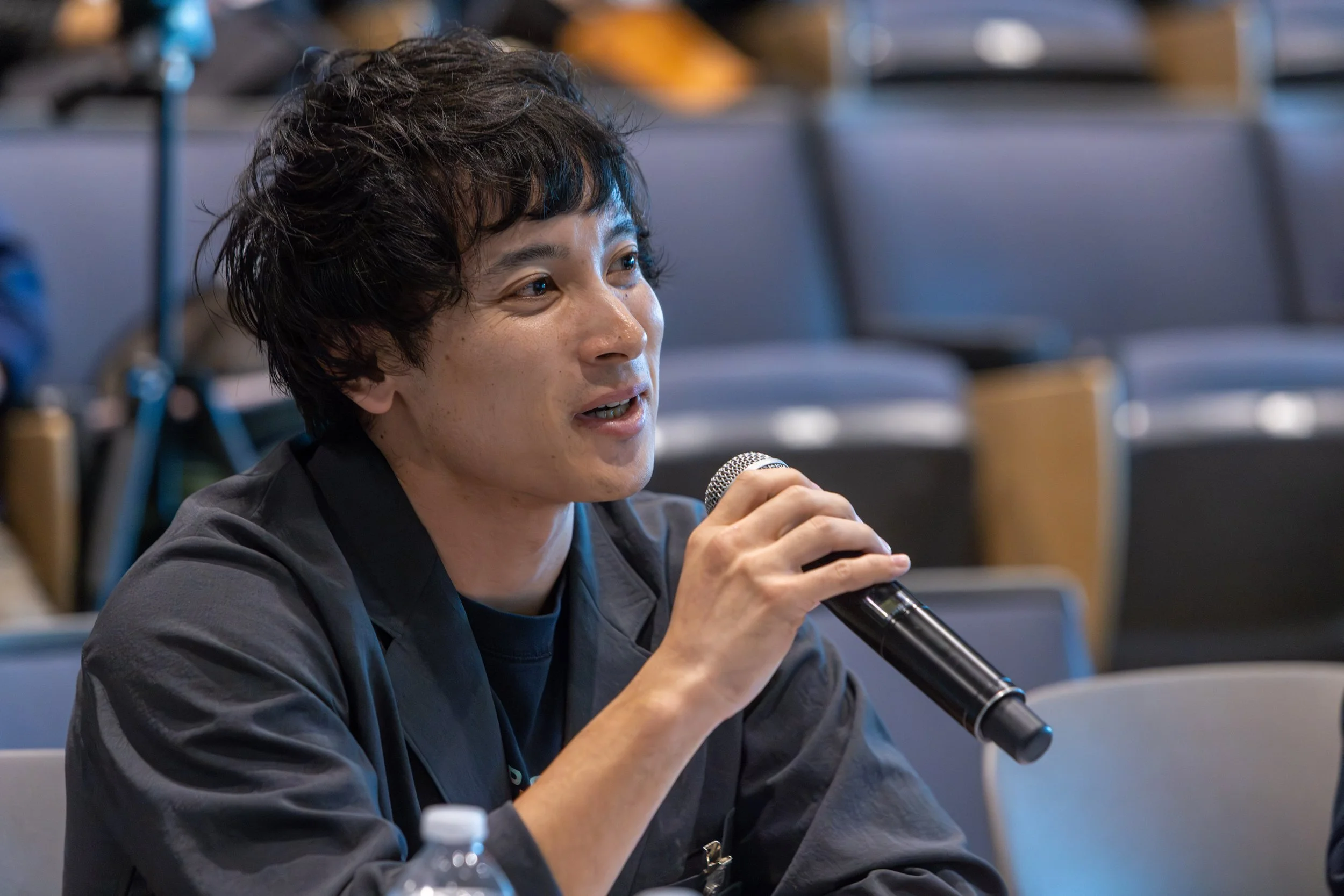
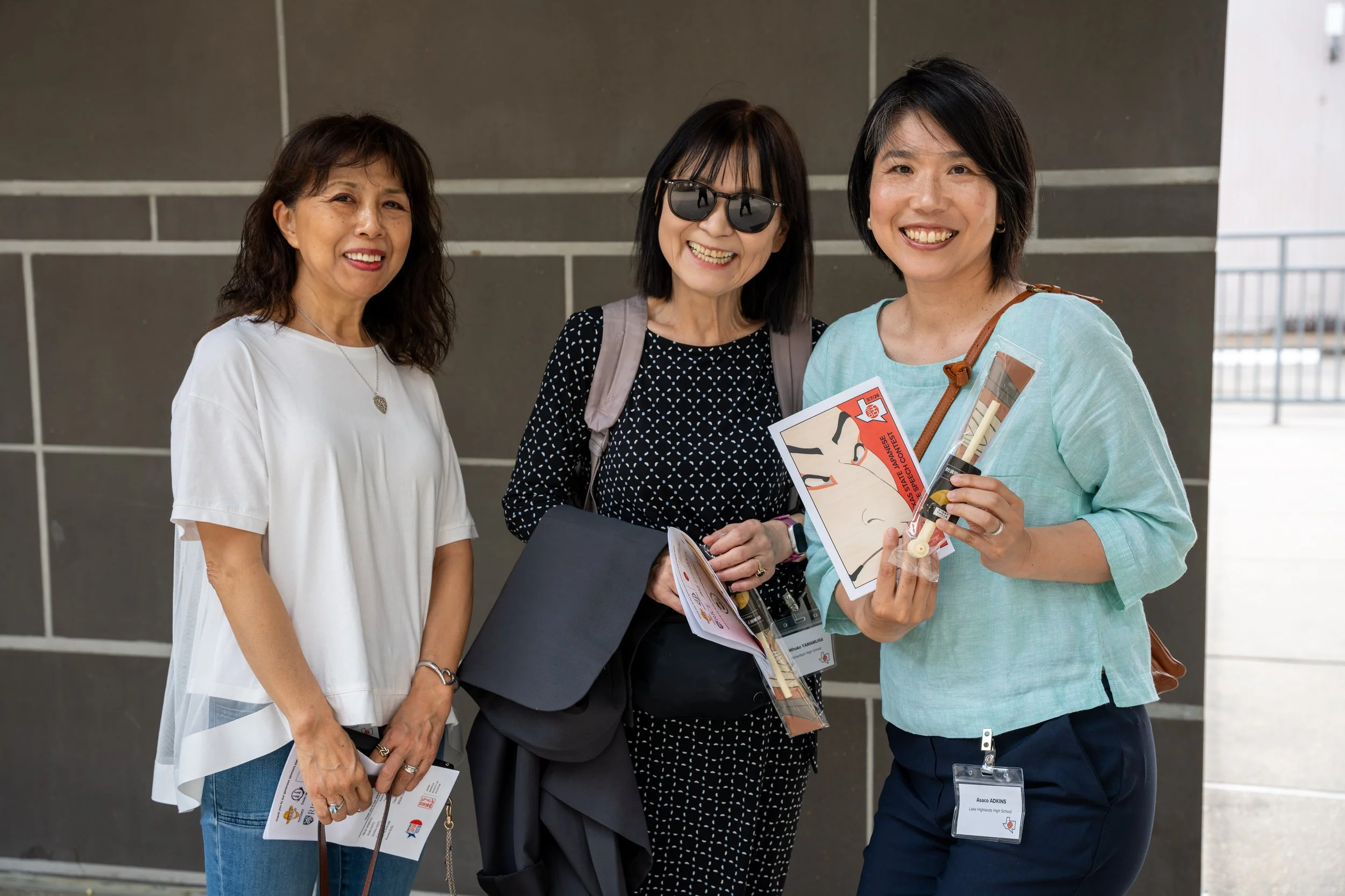
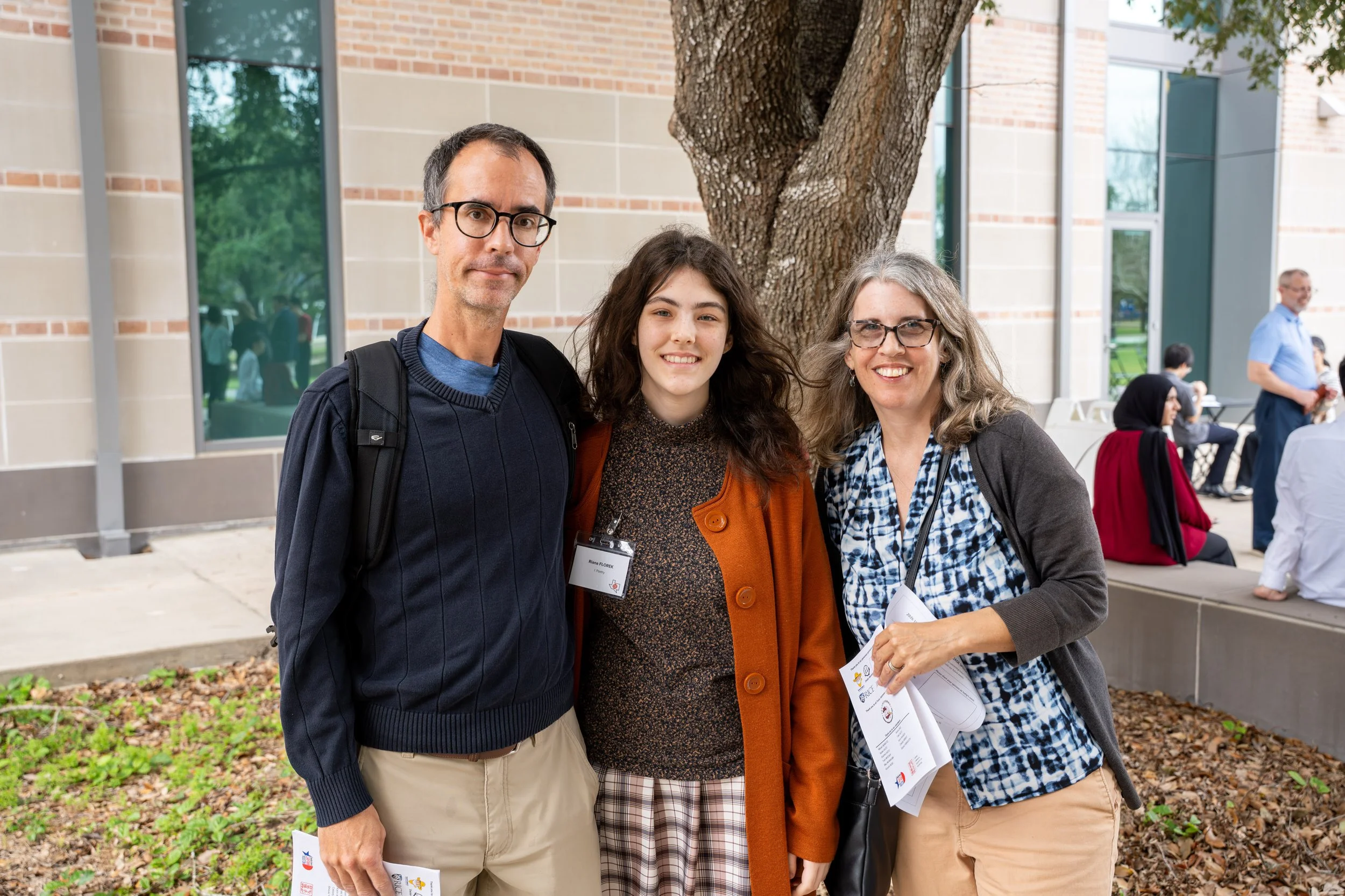
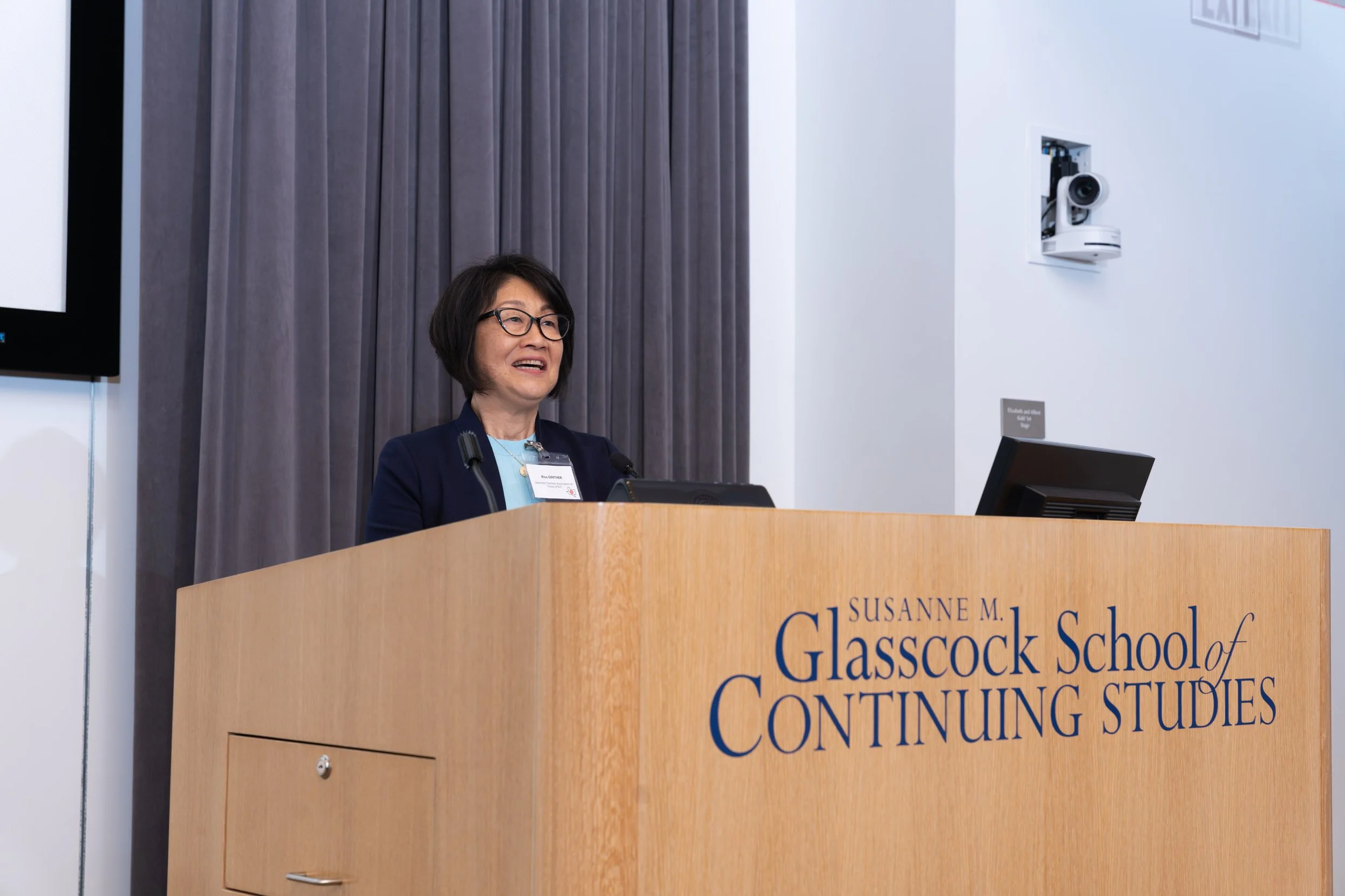
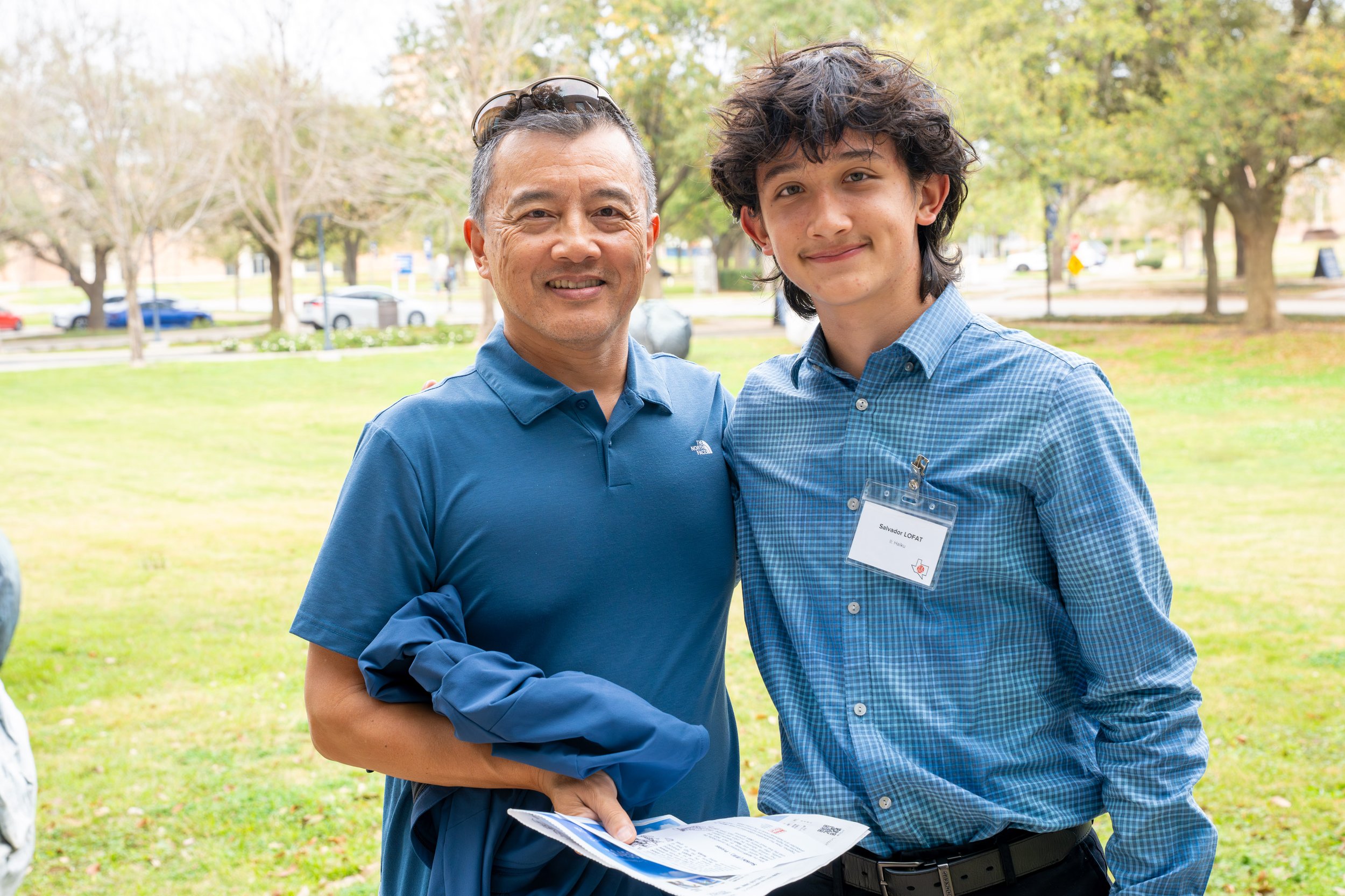
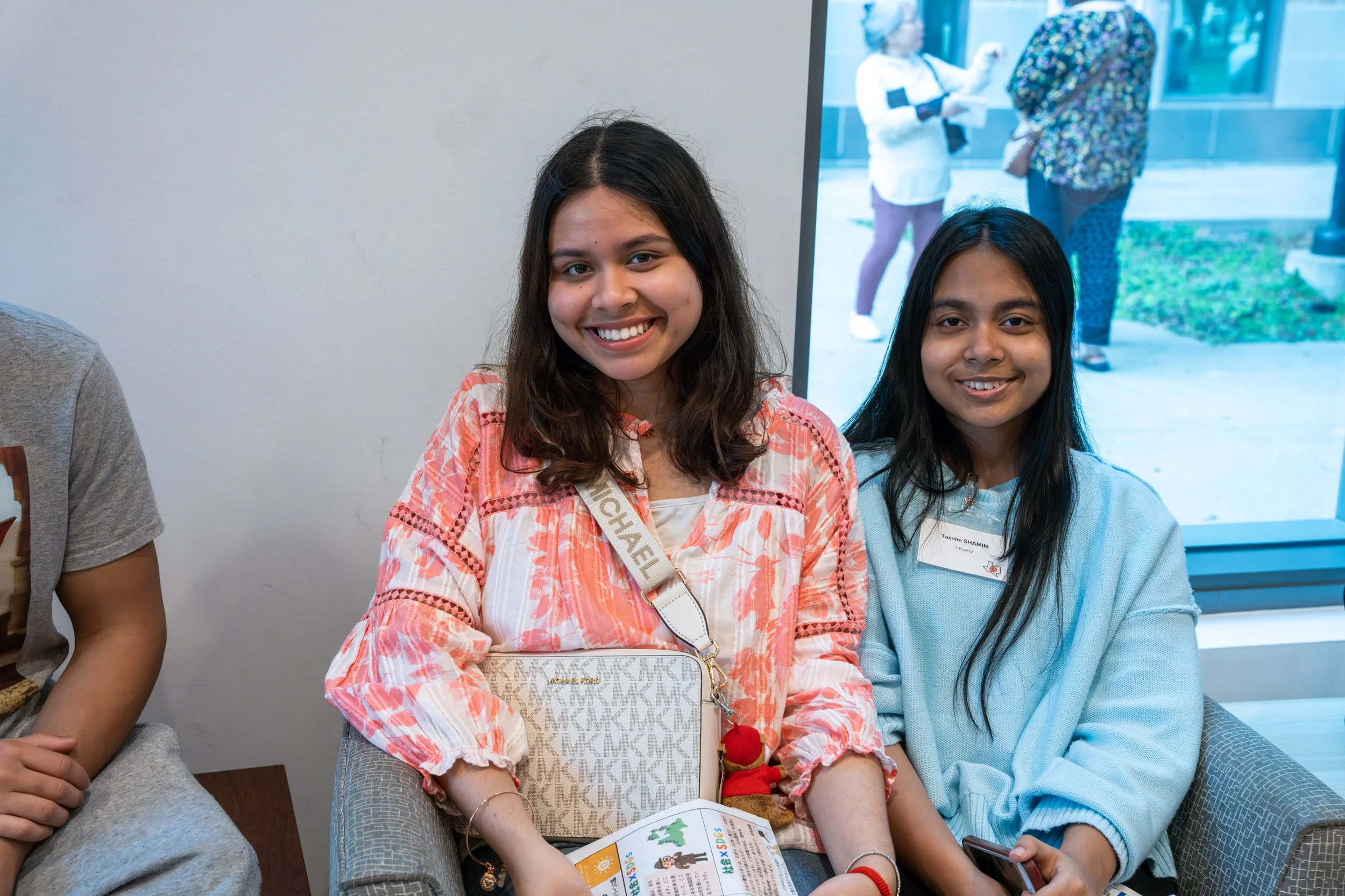
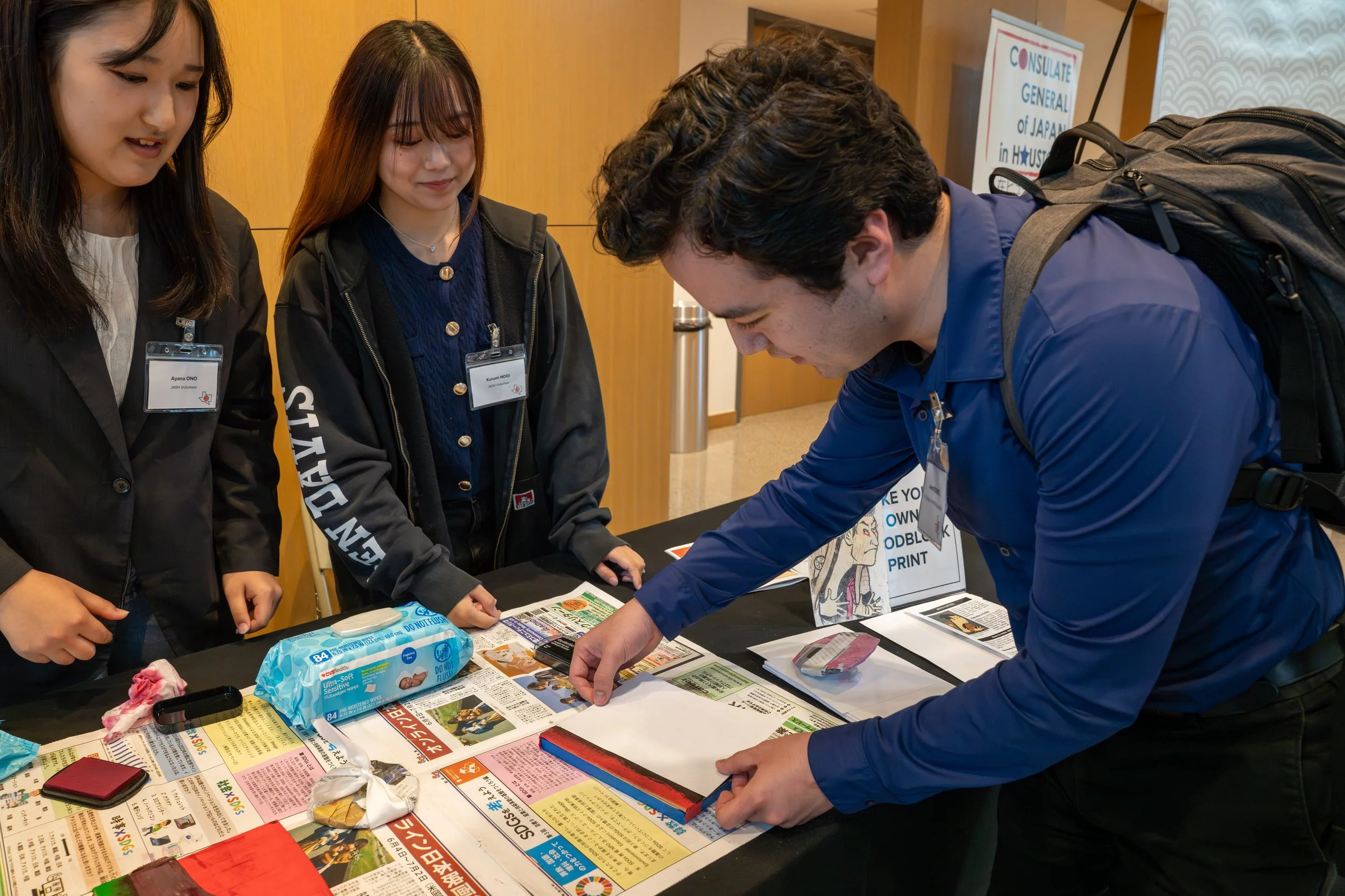
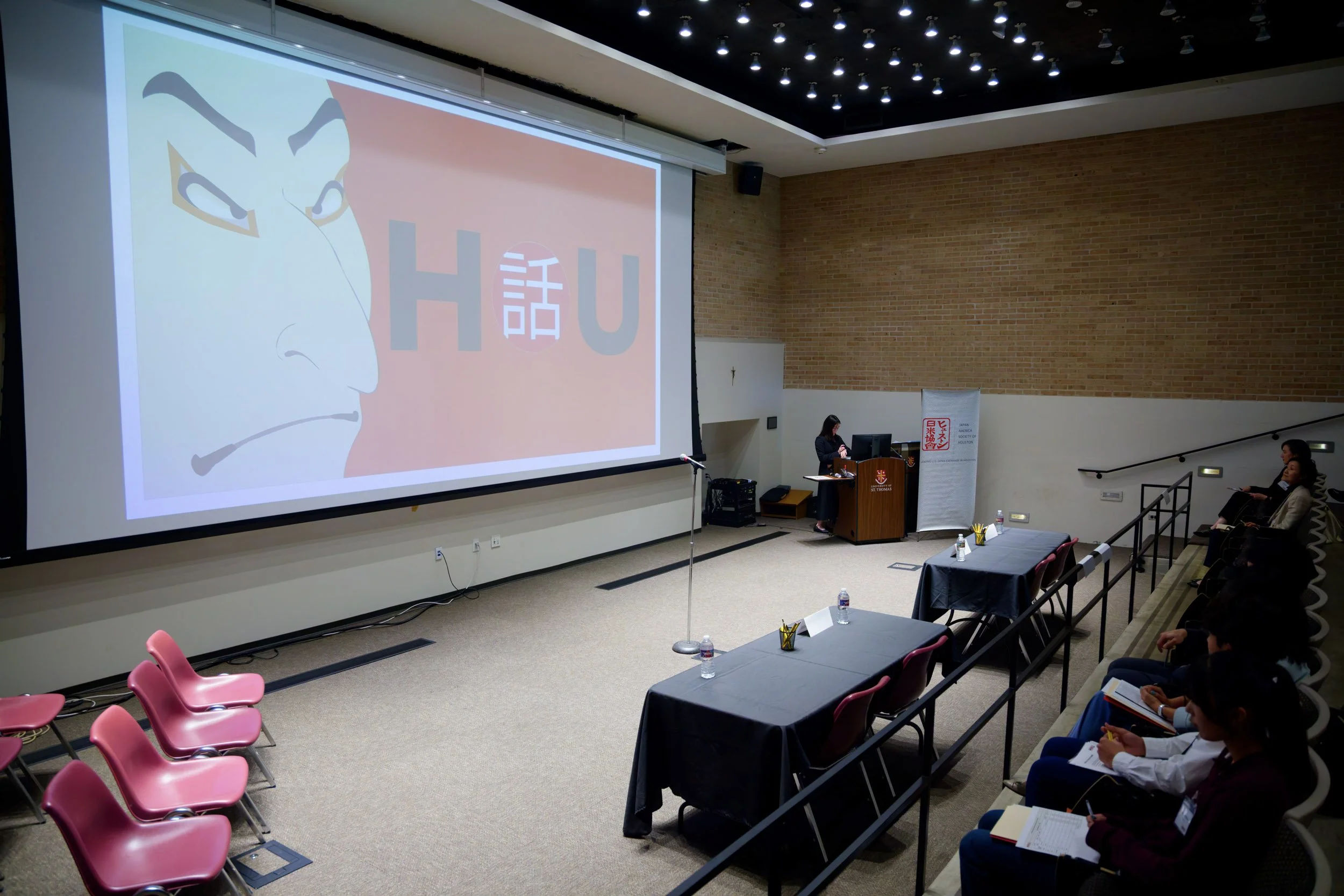
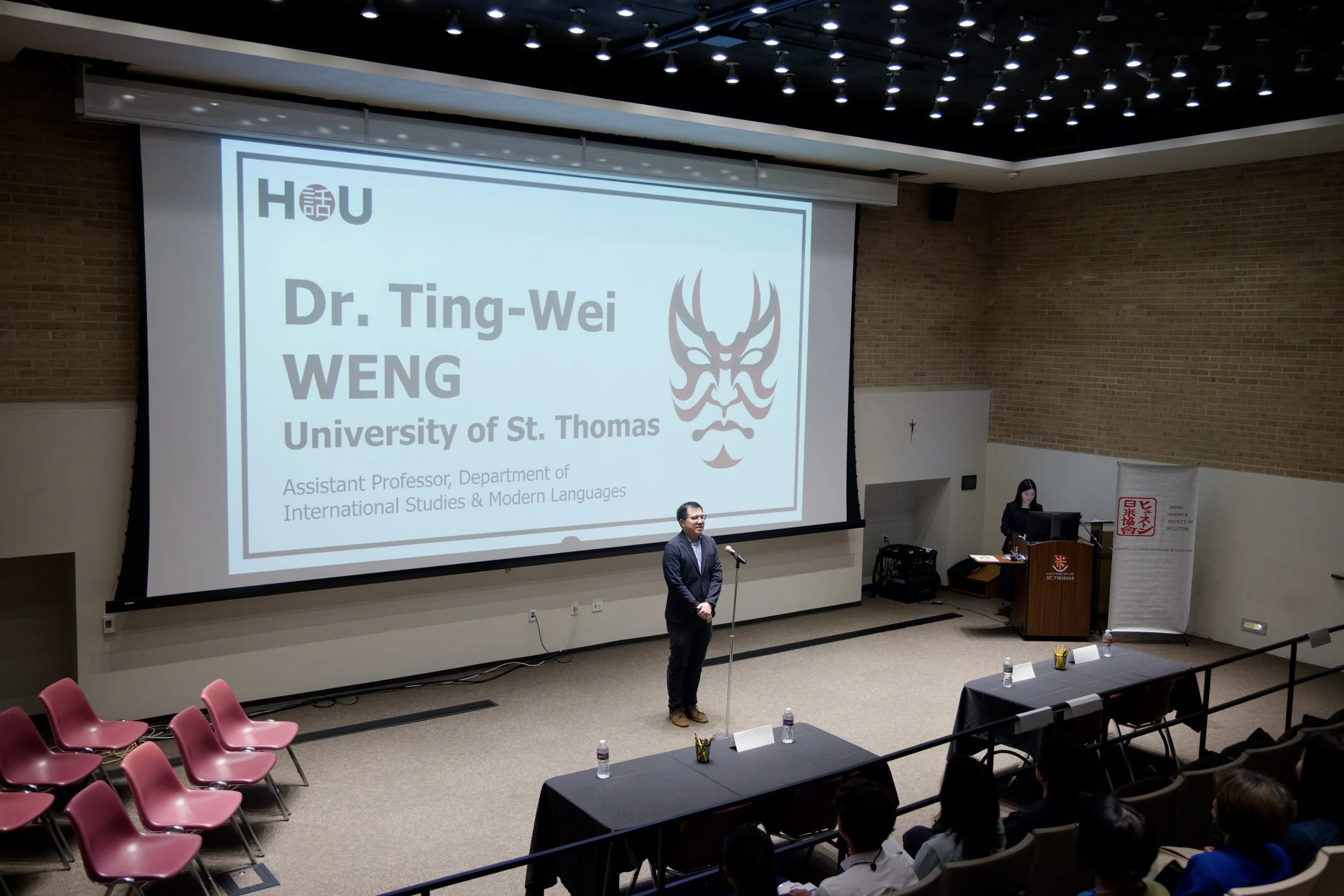
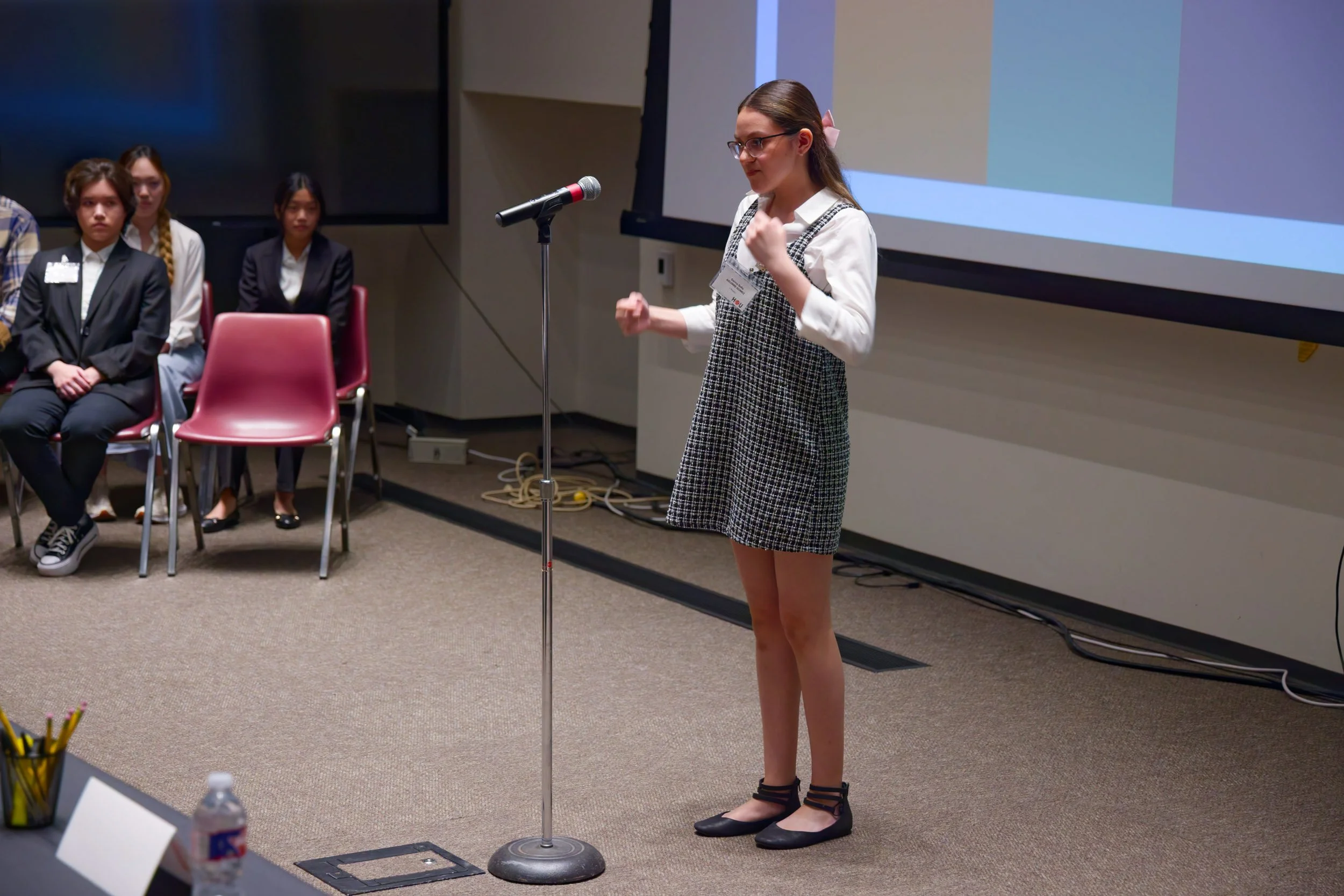
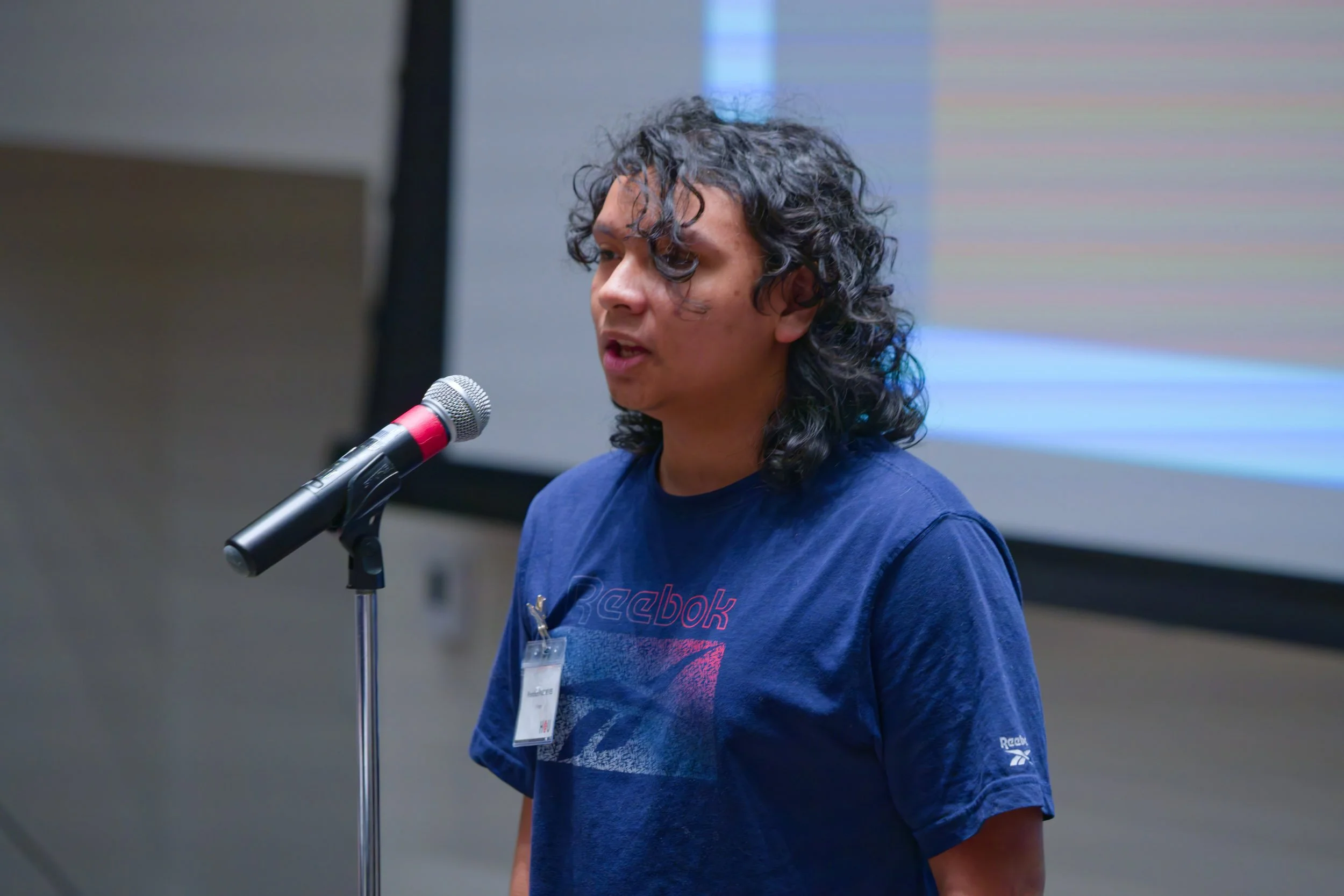
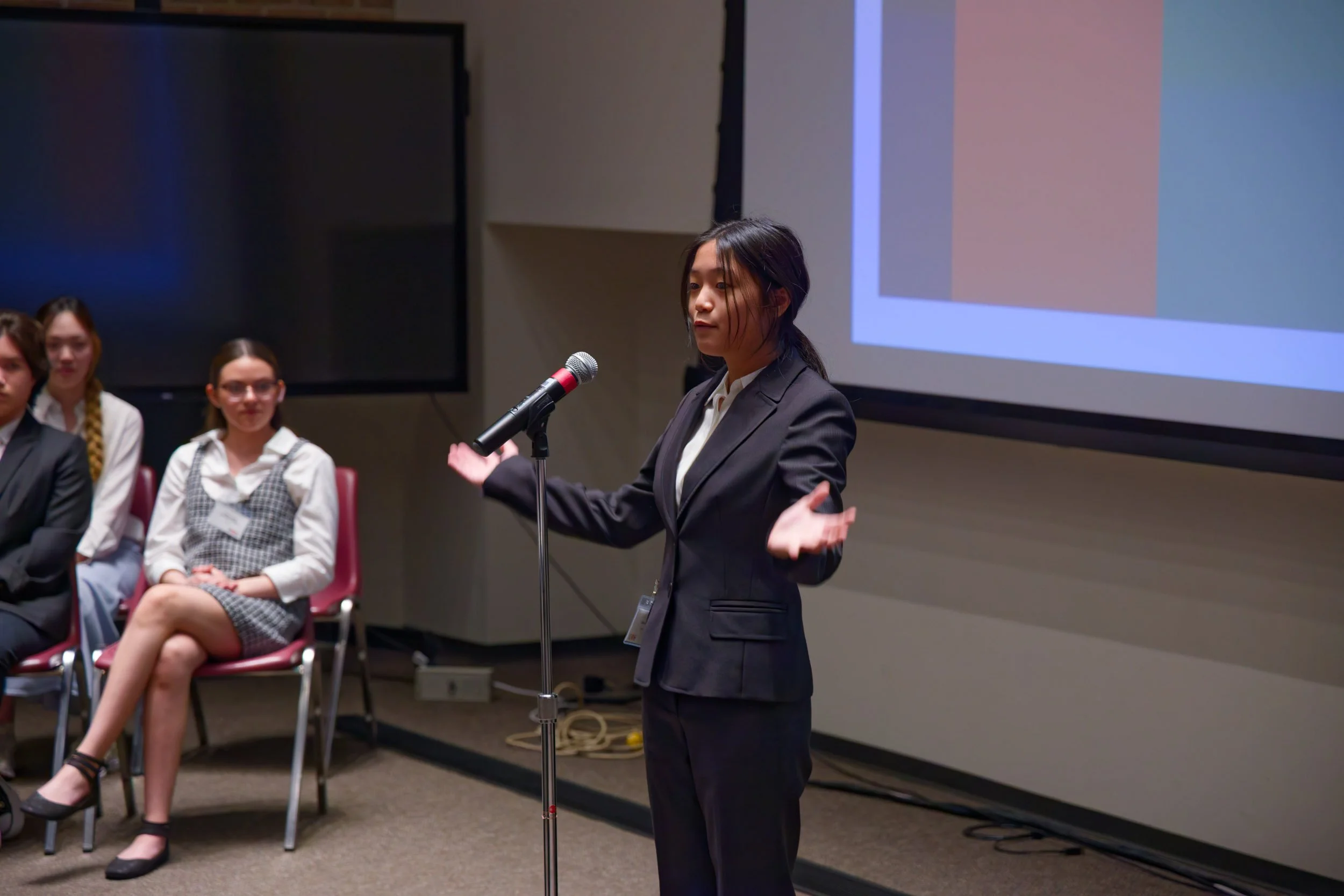
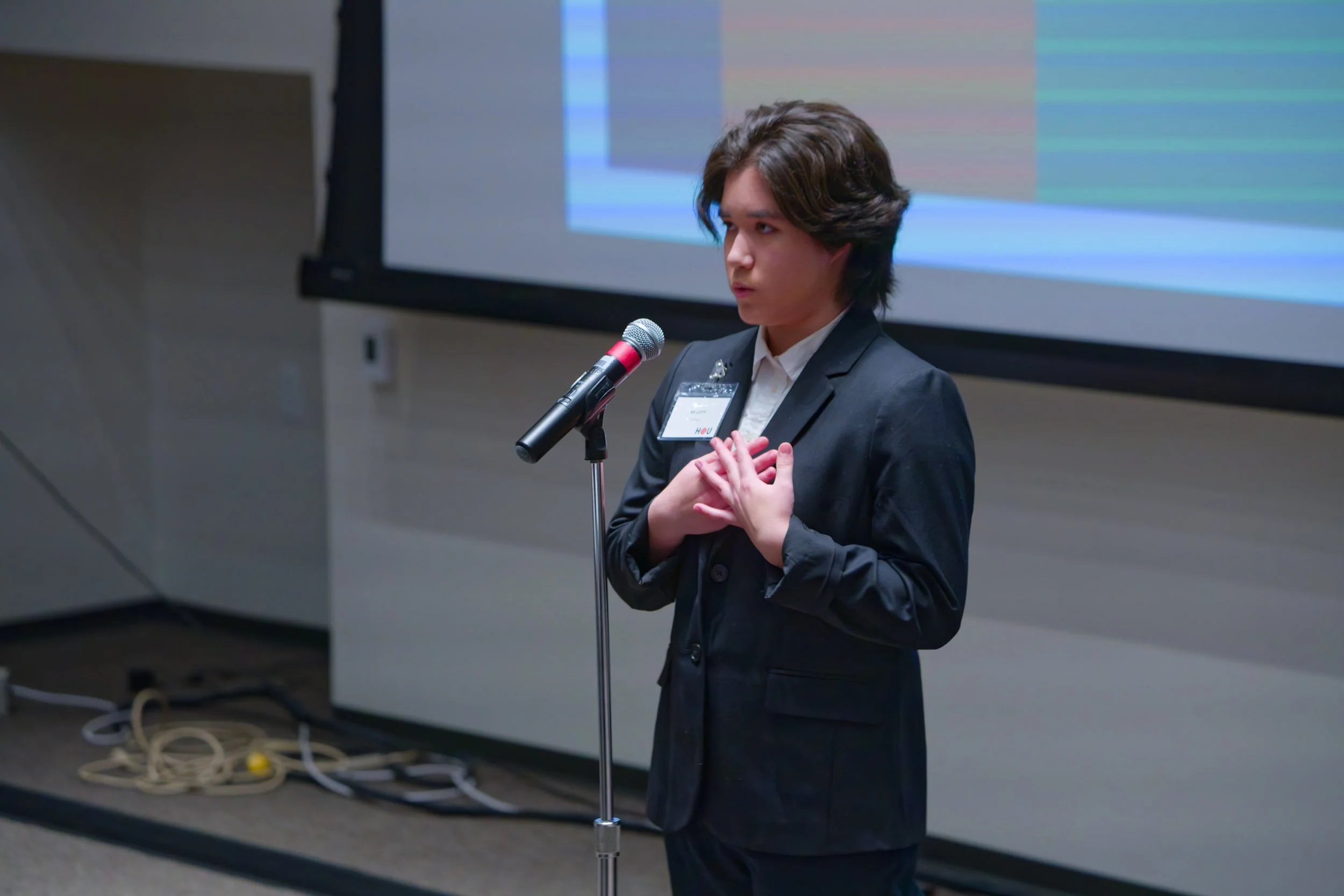
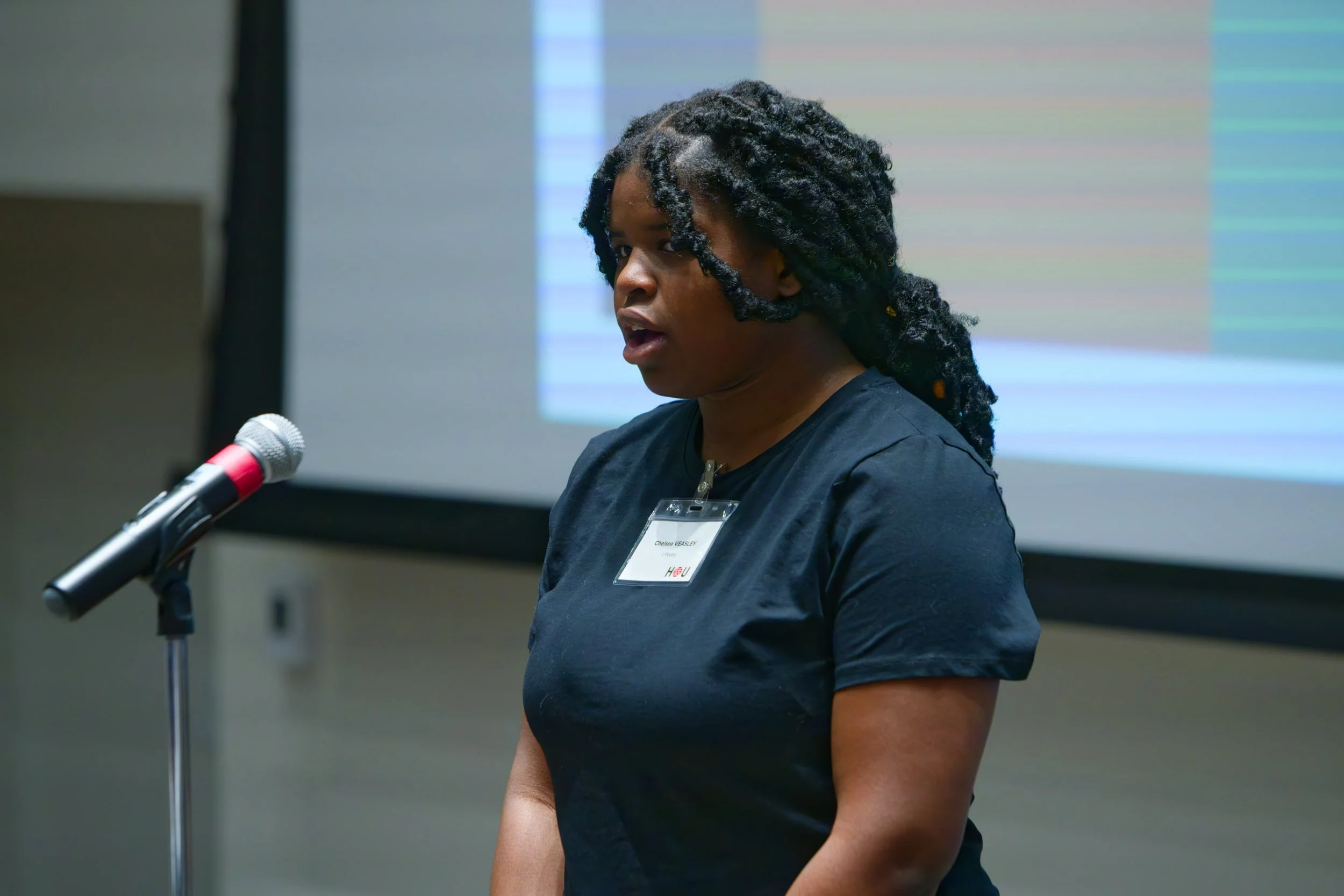
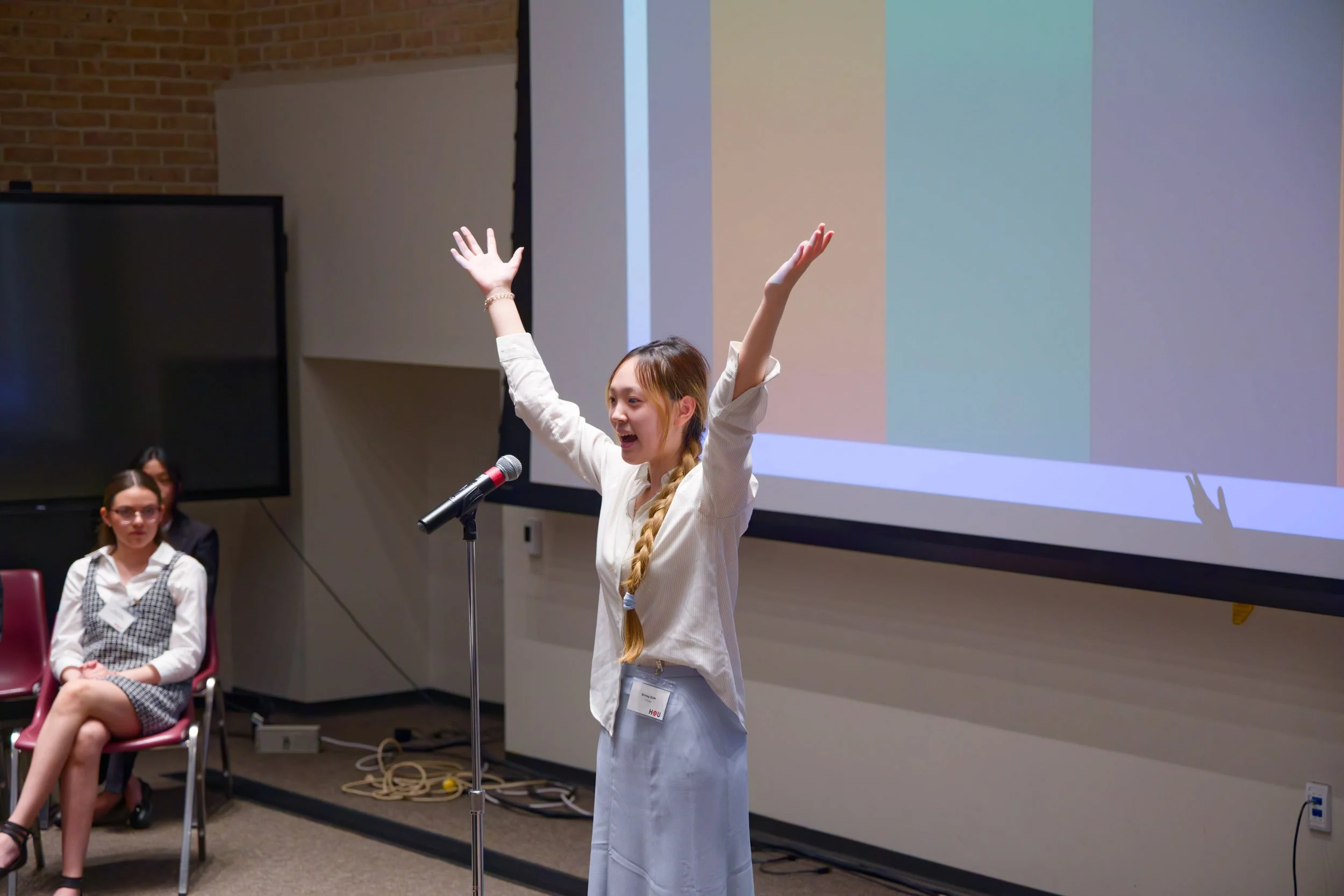
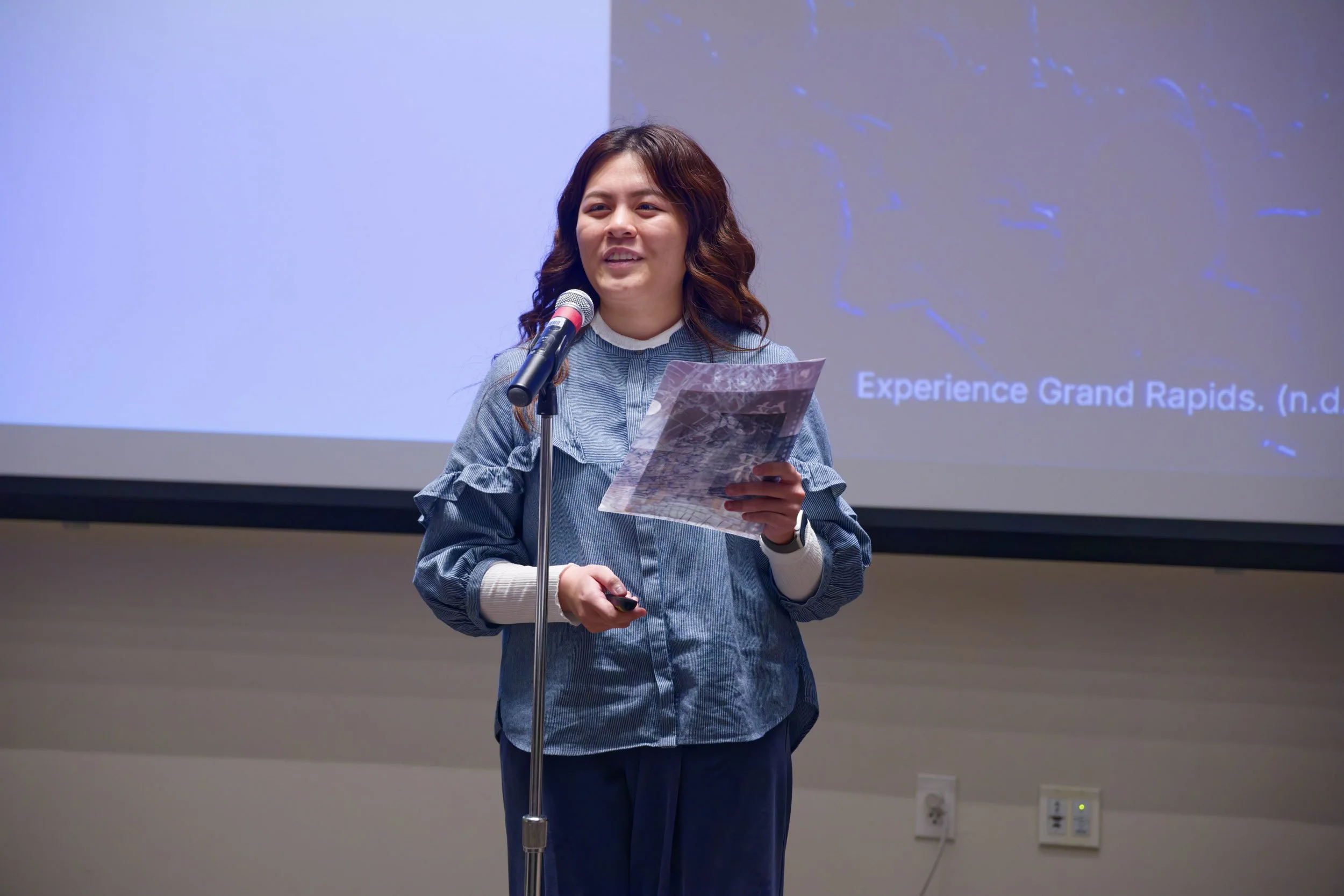
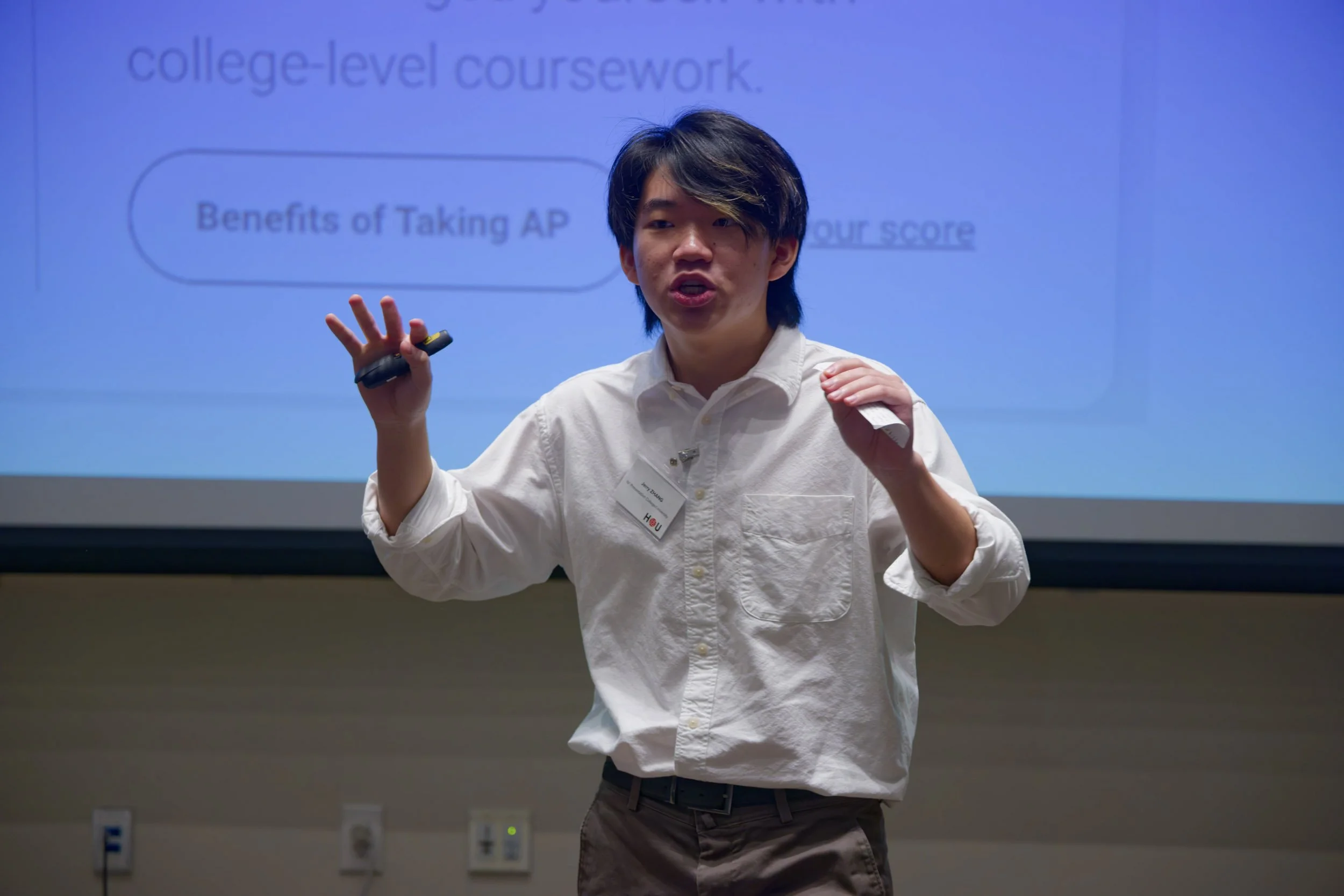
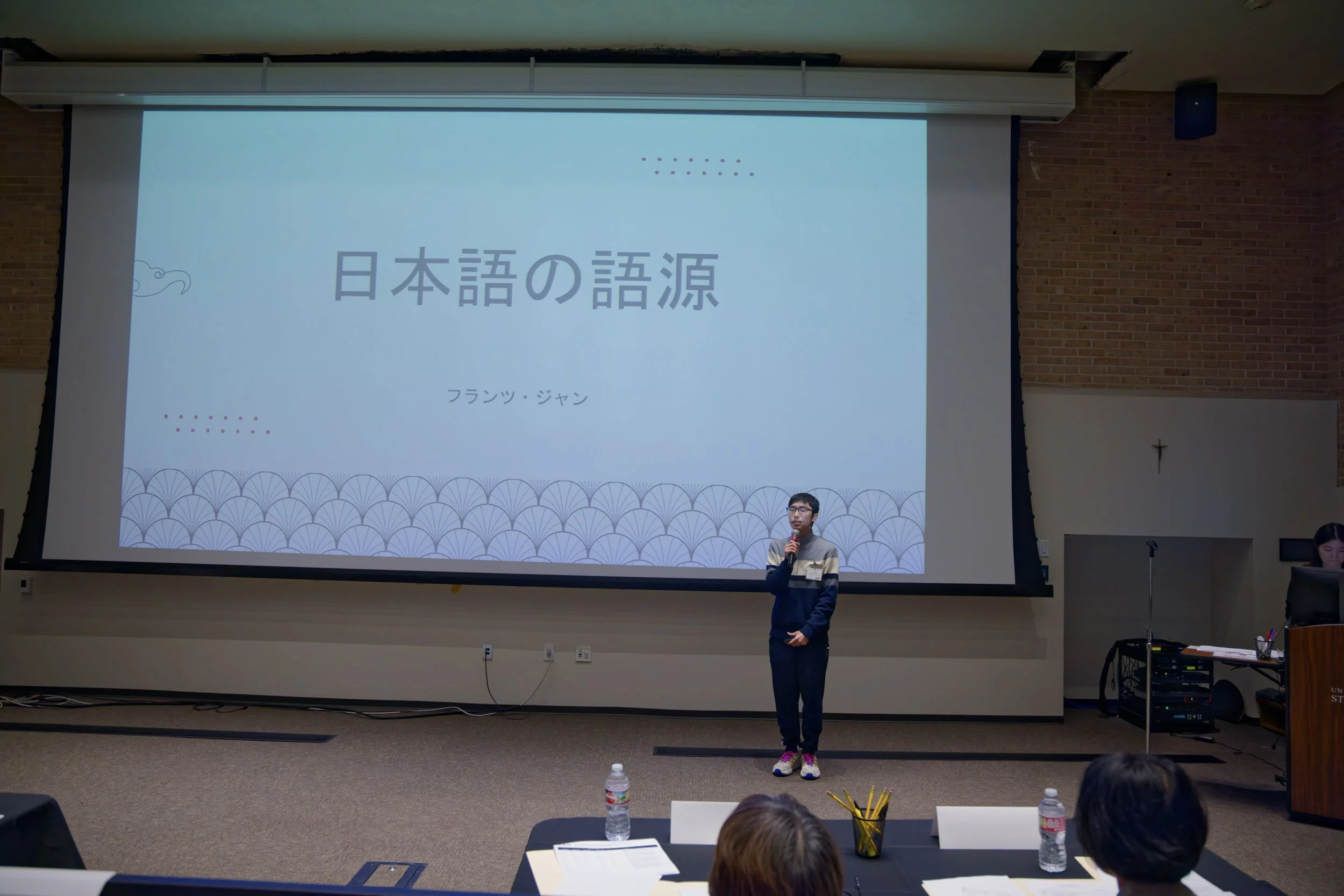
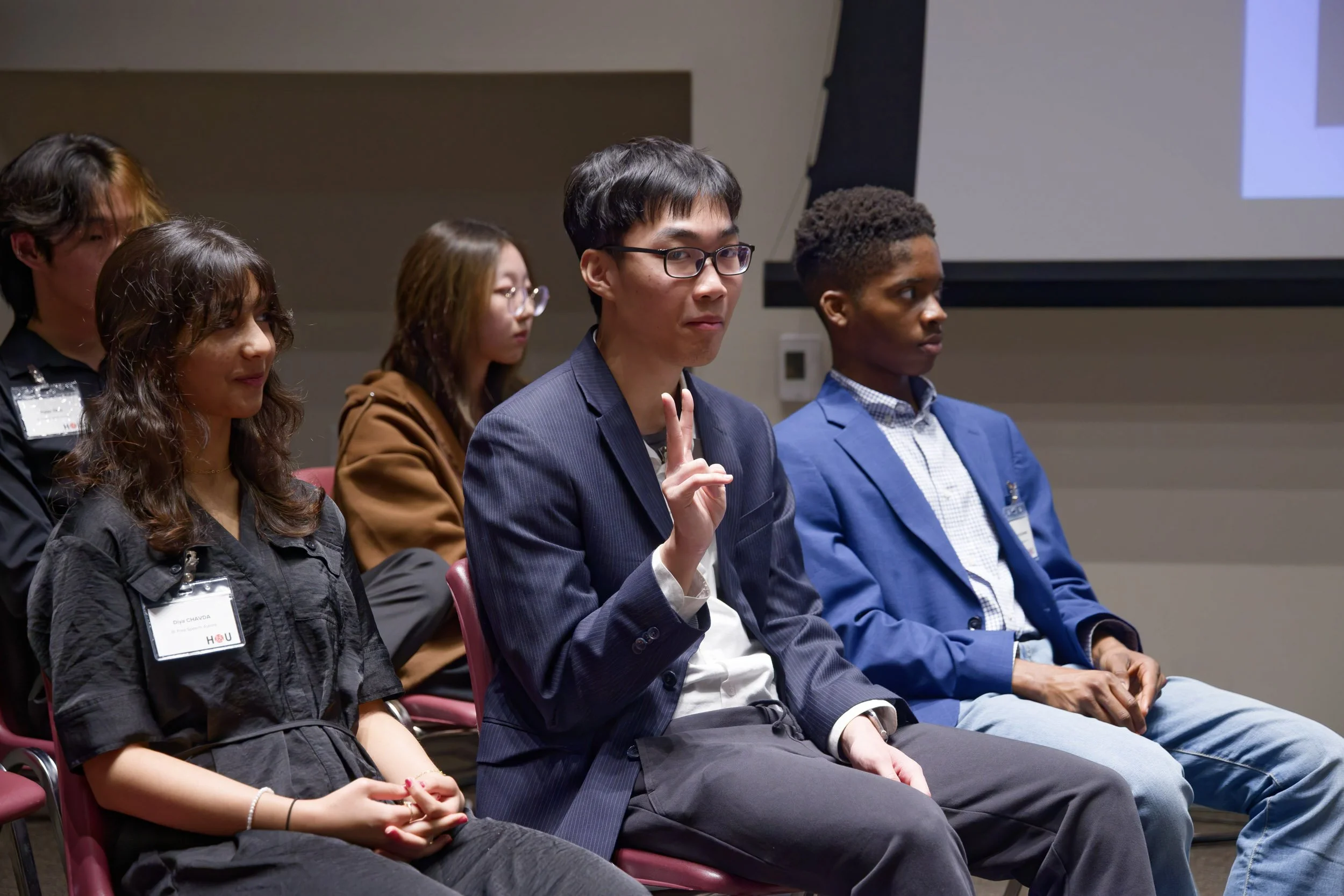
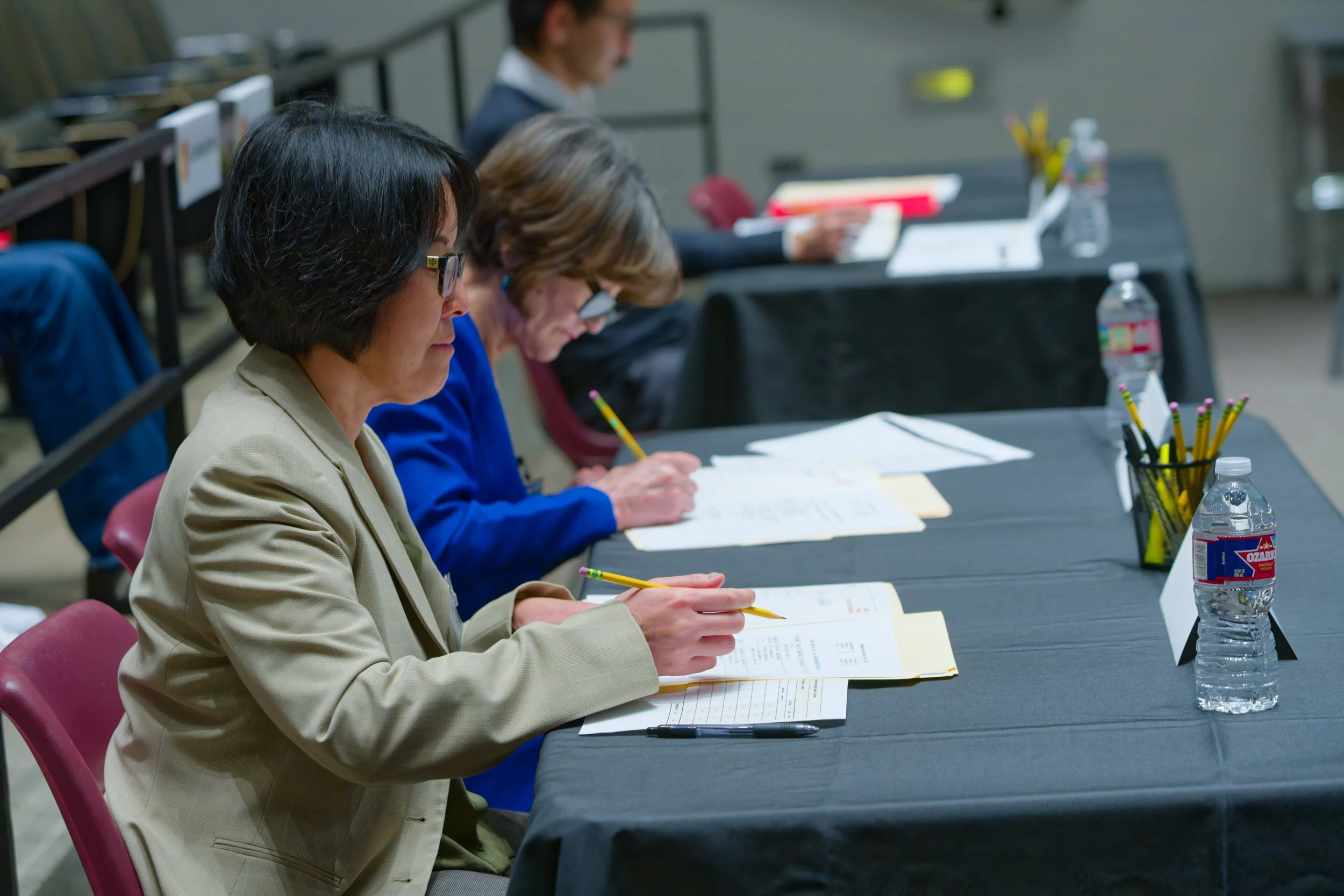
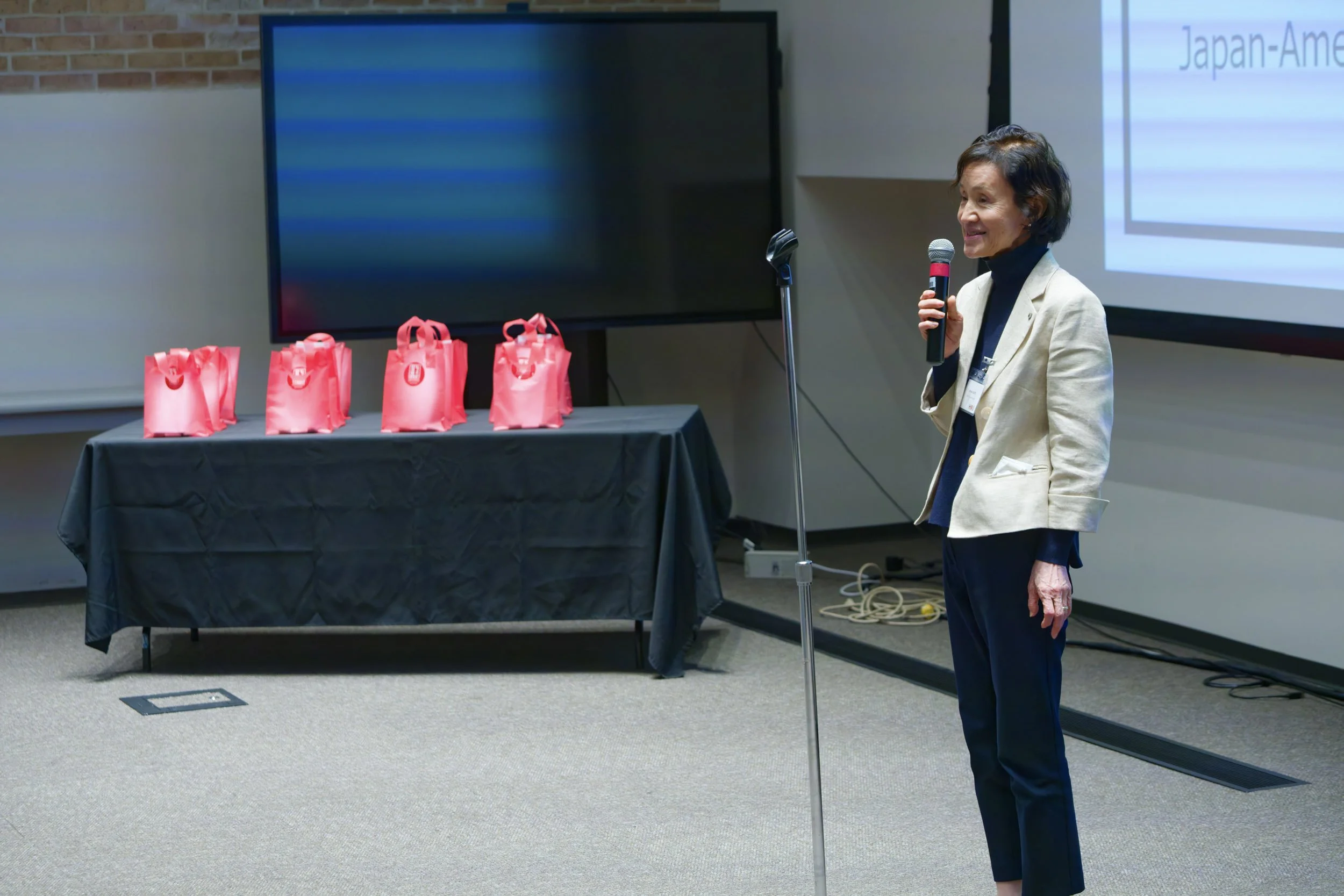
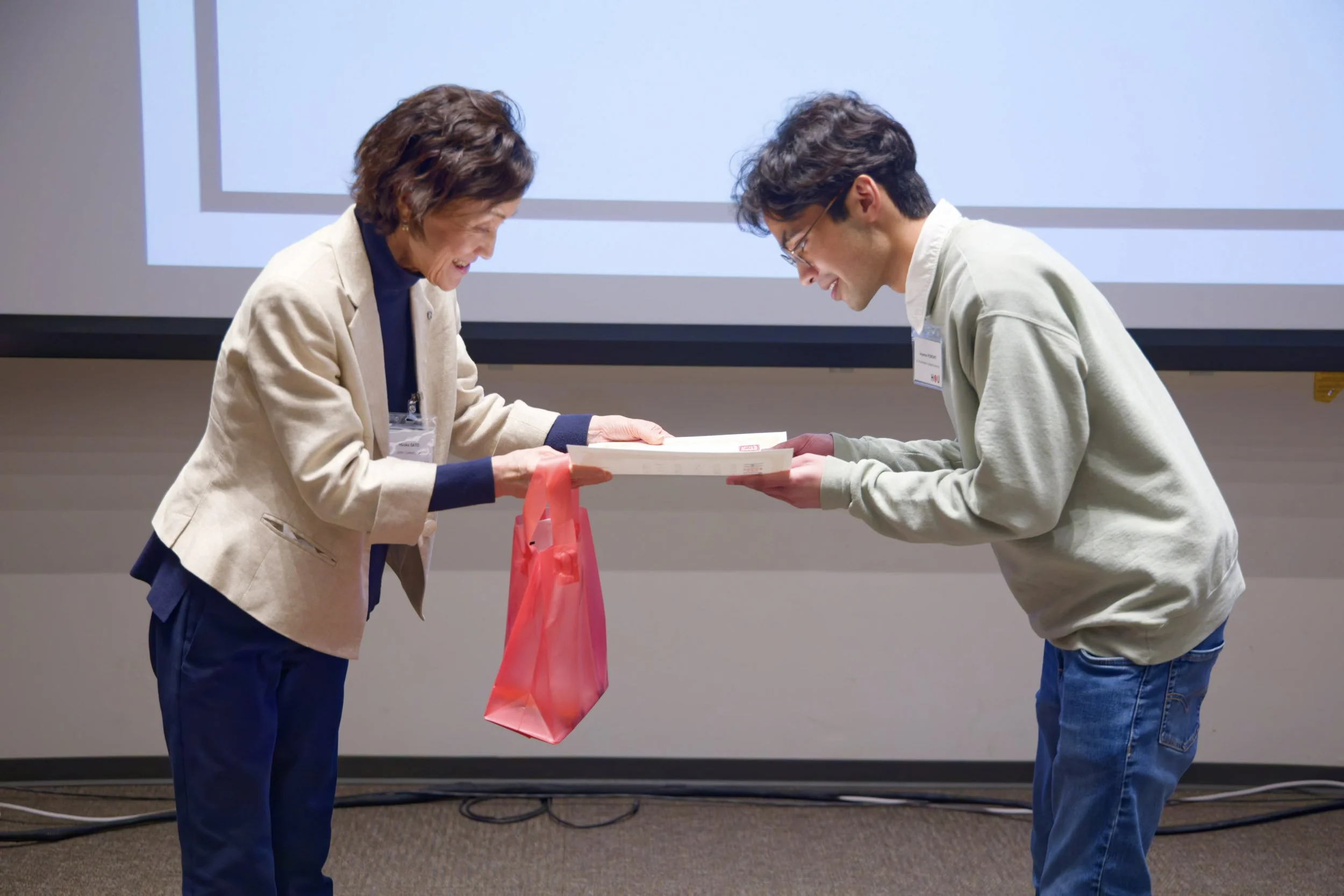
Houston, TX — February 21, 2026 — The Japan-America Society of Houston (JASH) proudly presented the 37th Annual Houston Regional Japanese Language Speech Contest at the University of St. Thomas.

Now in its 37th year, the Houston Regional Contest remains a cornerstone of Japanese language education in the Greater Houston area. Each year, students gather to demonstrate their Japanese language proficiency, cultural understanding, and confidence on stage — and this year was no exception.

Celebrating Kabuki: Performance, Discipline, and Courage

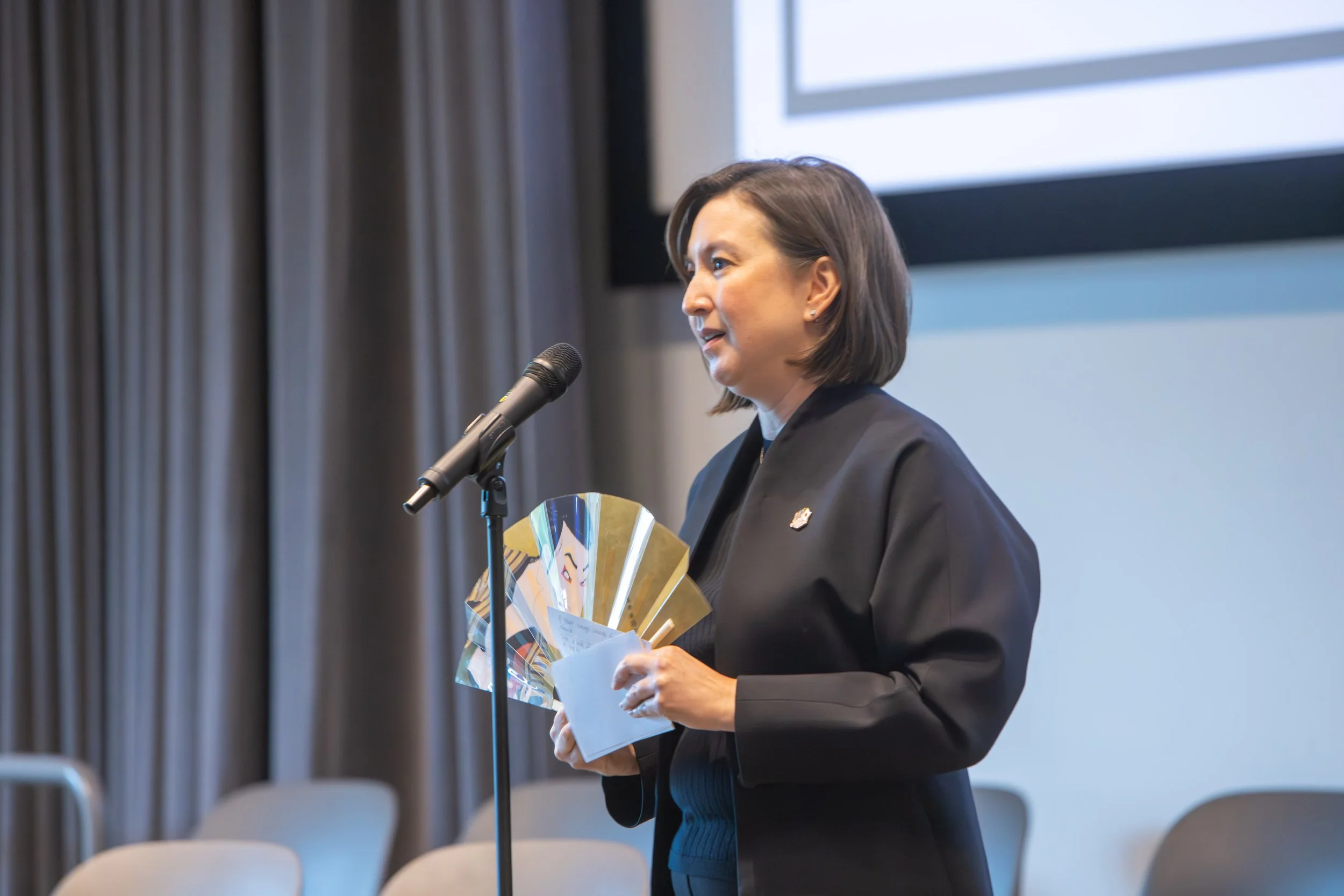
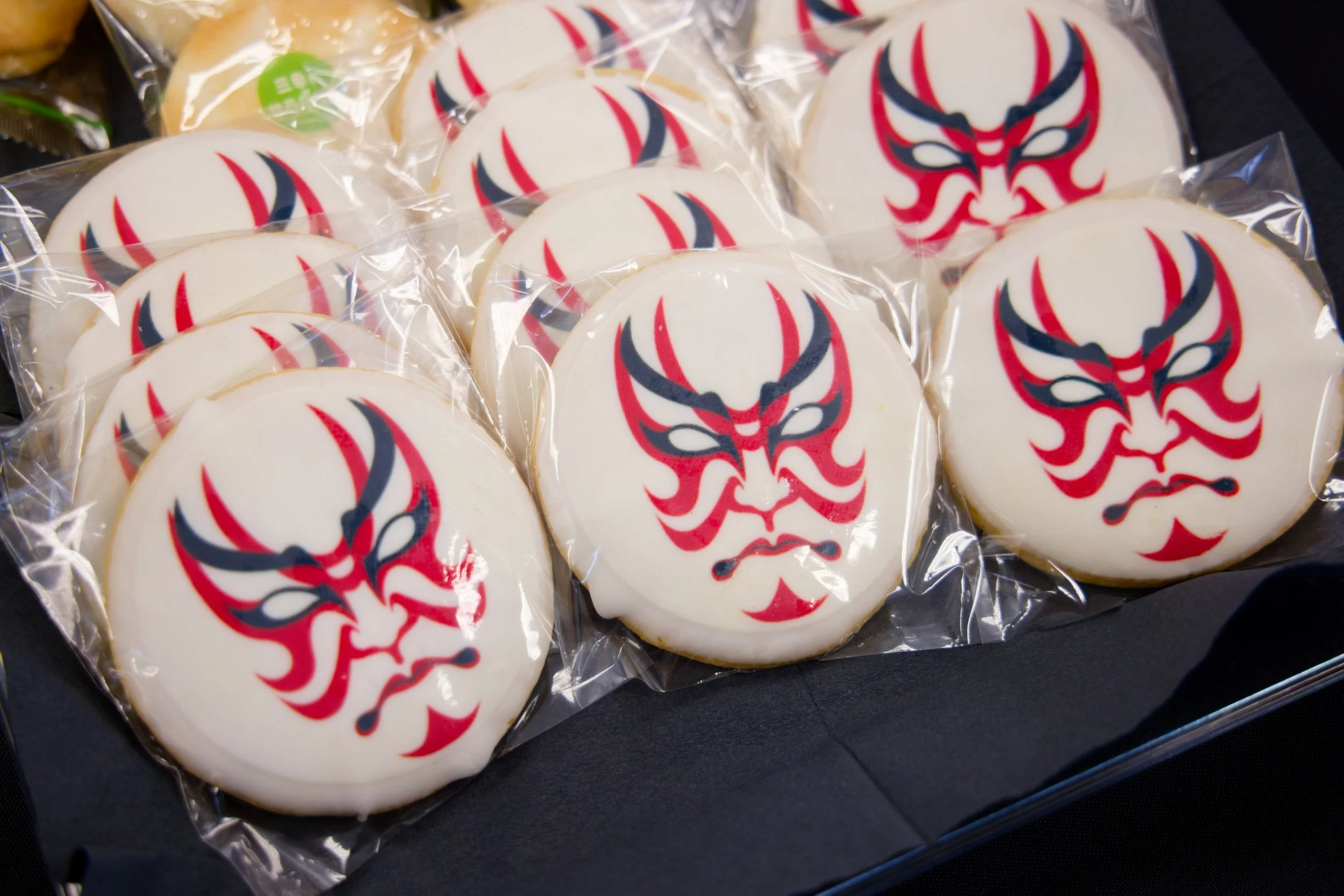
This year’s contest theme celebrated Kabuki, the iconic traditional Japanese performing art.

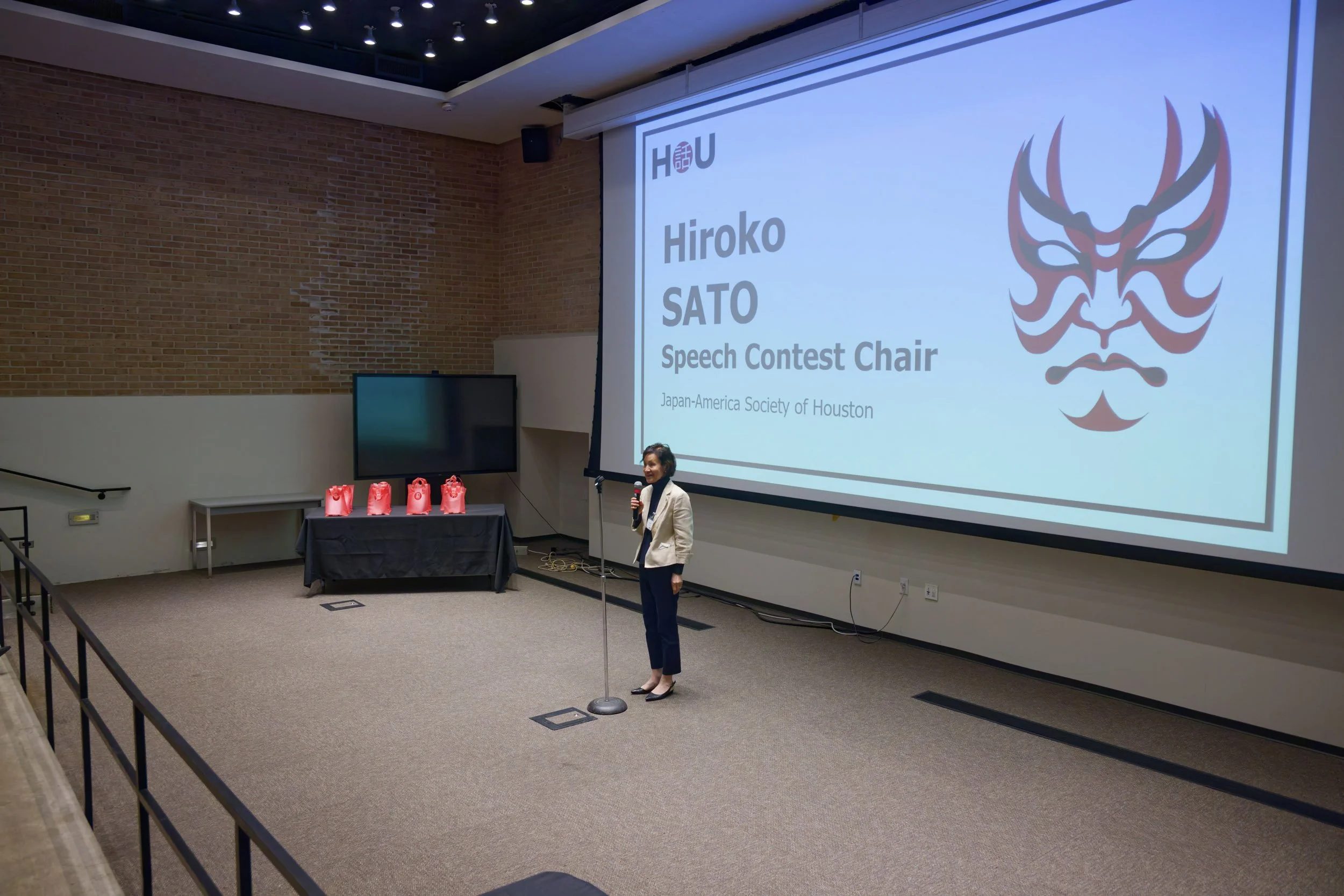
During the opening ceremony, remarks highlighted the parallels between Kabuki performers and speech contestants. Kabuki is known not only for its striking costumes and dramatic poses, but also for the discipline, repetition, and courage required to perform before a live audience. Likewise, contestants spent weeks refining pronunciation, memorizing texts, practicing projection, and preparing to present with clarity and confidence.

Students were encouraged to embrace their moment on stage — to stand tall, project their voices, and deliver their speeches with conviction.


Competition Highlights

Division 1 – Poetry Recitation

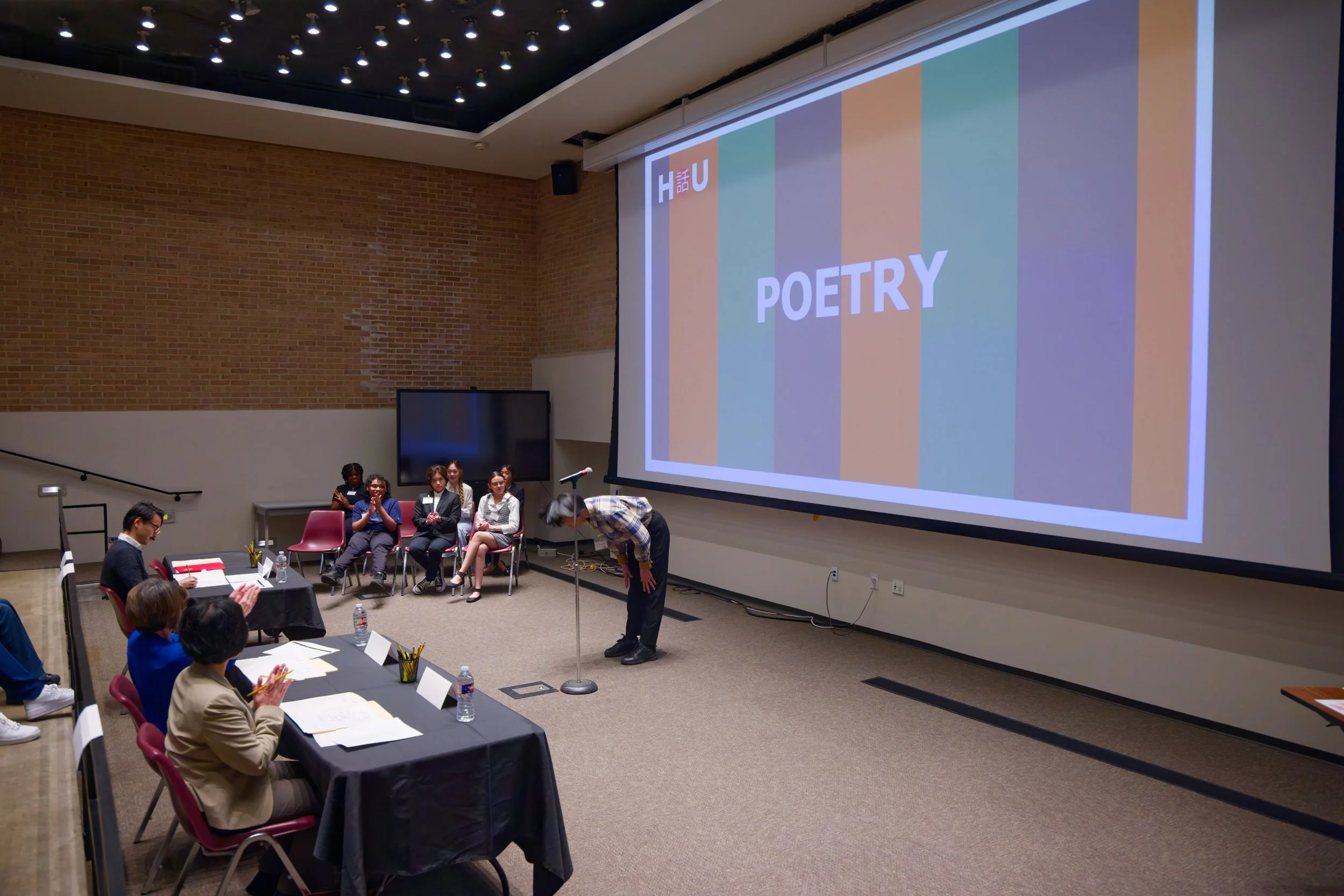
Contestants performed memorized Japanese poems with careful attention to pronunciation, rhythm, and expression.

Division 2 – Haiku Presentation

Participants recited classic haiku poems, explained their literary meaning, and presented original compositions inspired by seasonal themes.

Division 3 – Free Speech (High School)

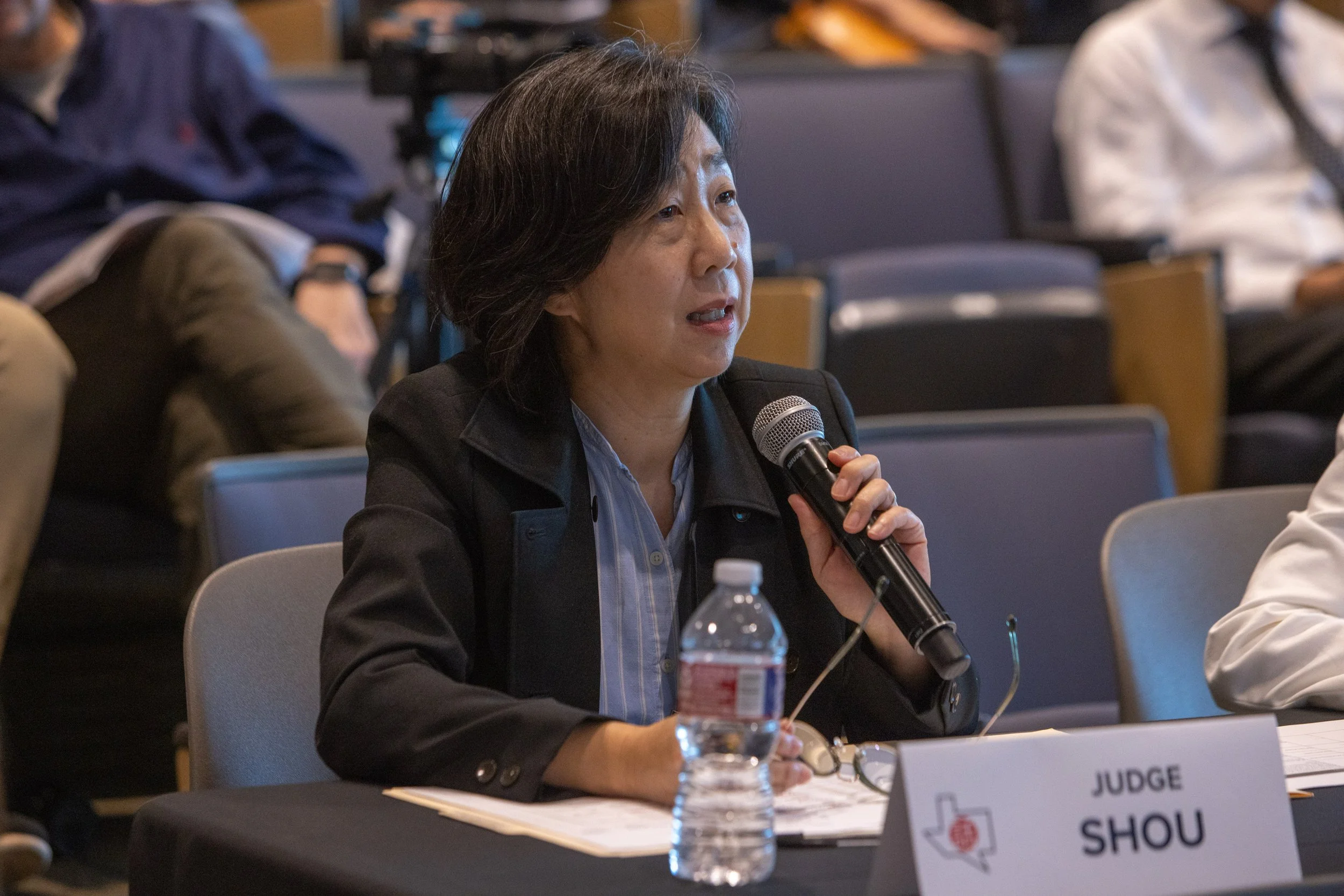
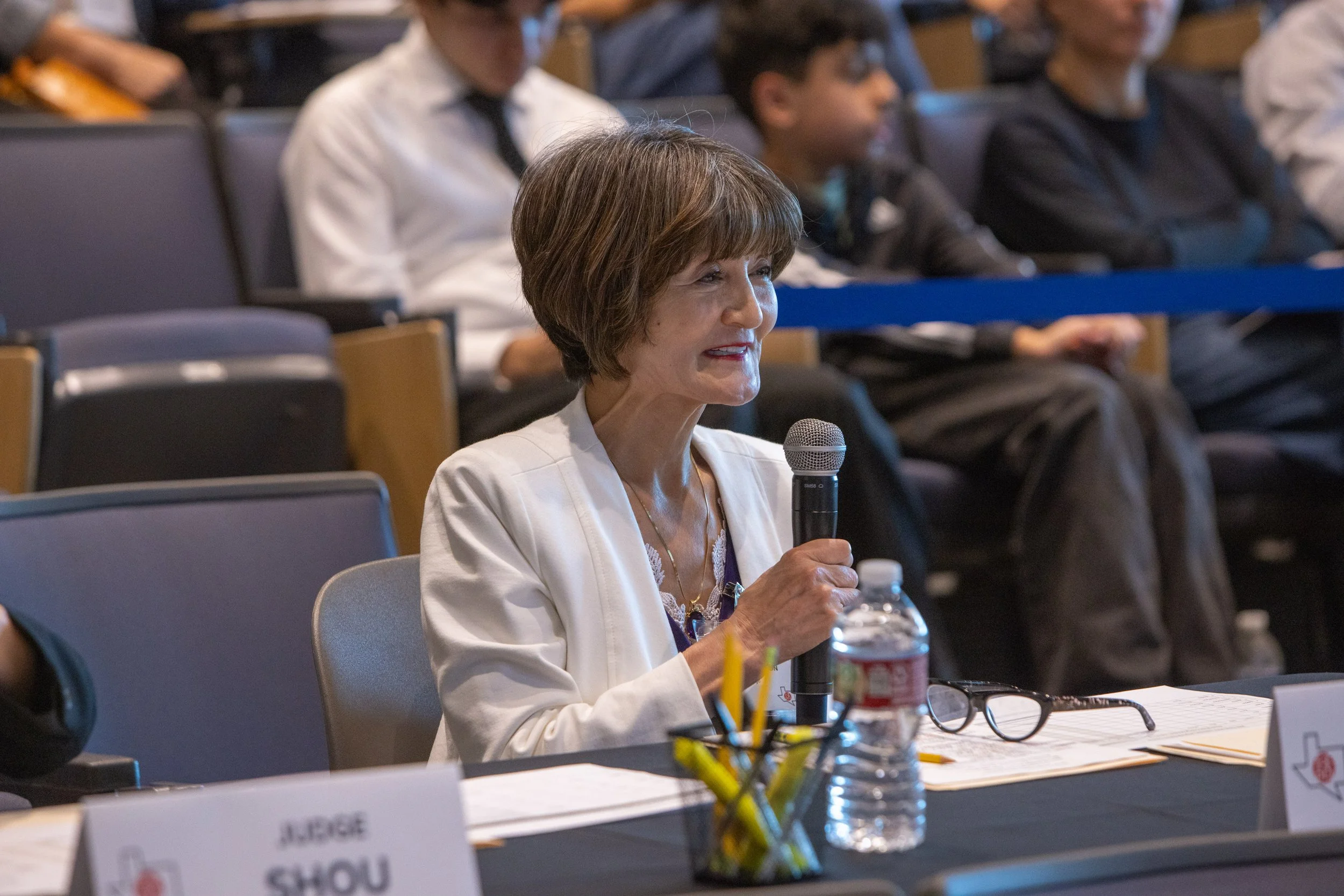
High school contestants delivered original speeches on topics ranging from cultural identity to personal reflections, followed by impromptu Q&A with the judges.

Division 4 – College & University Presentation

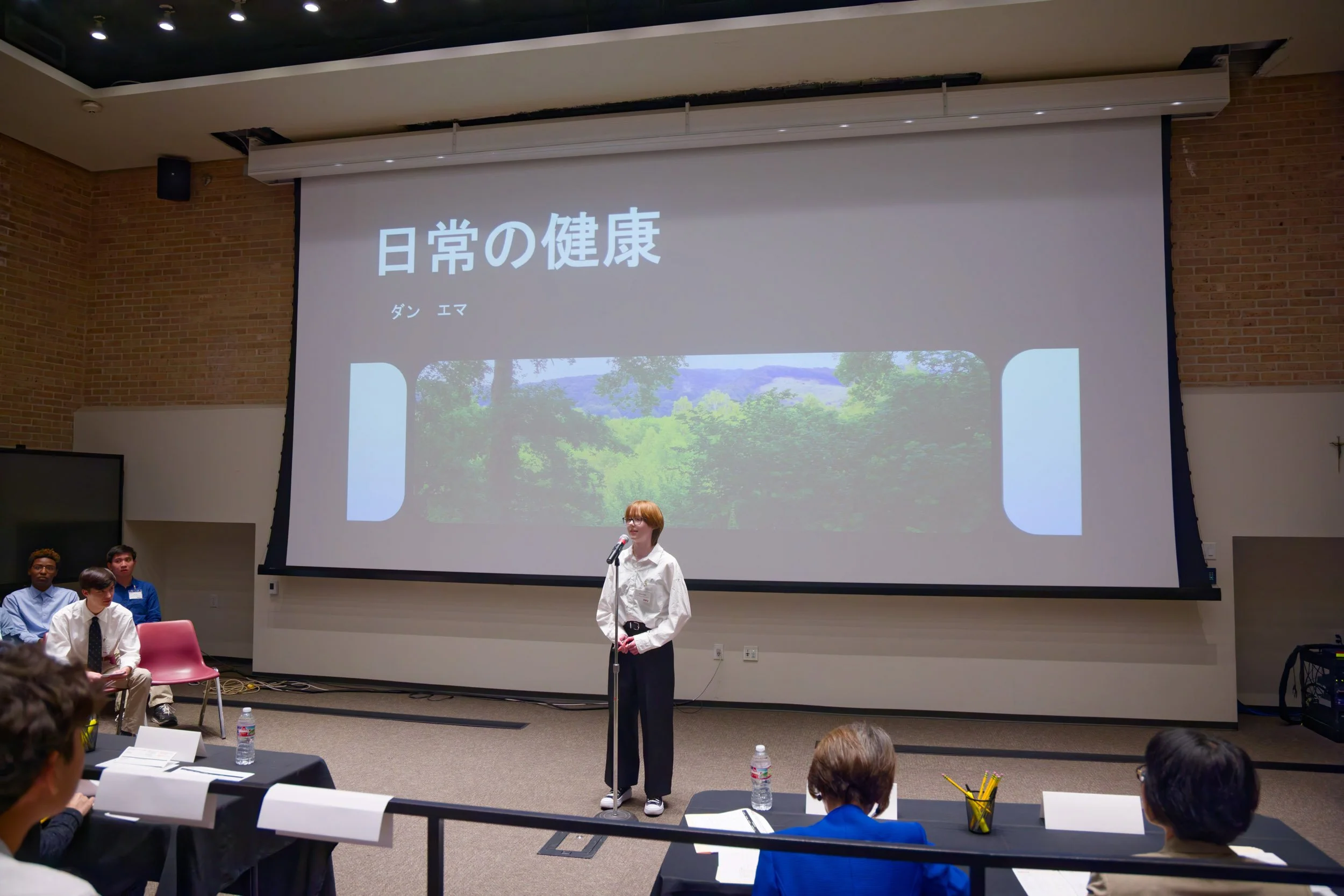
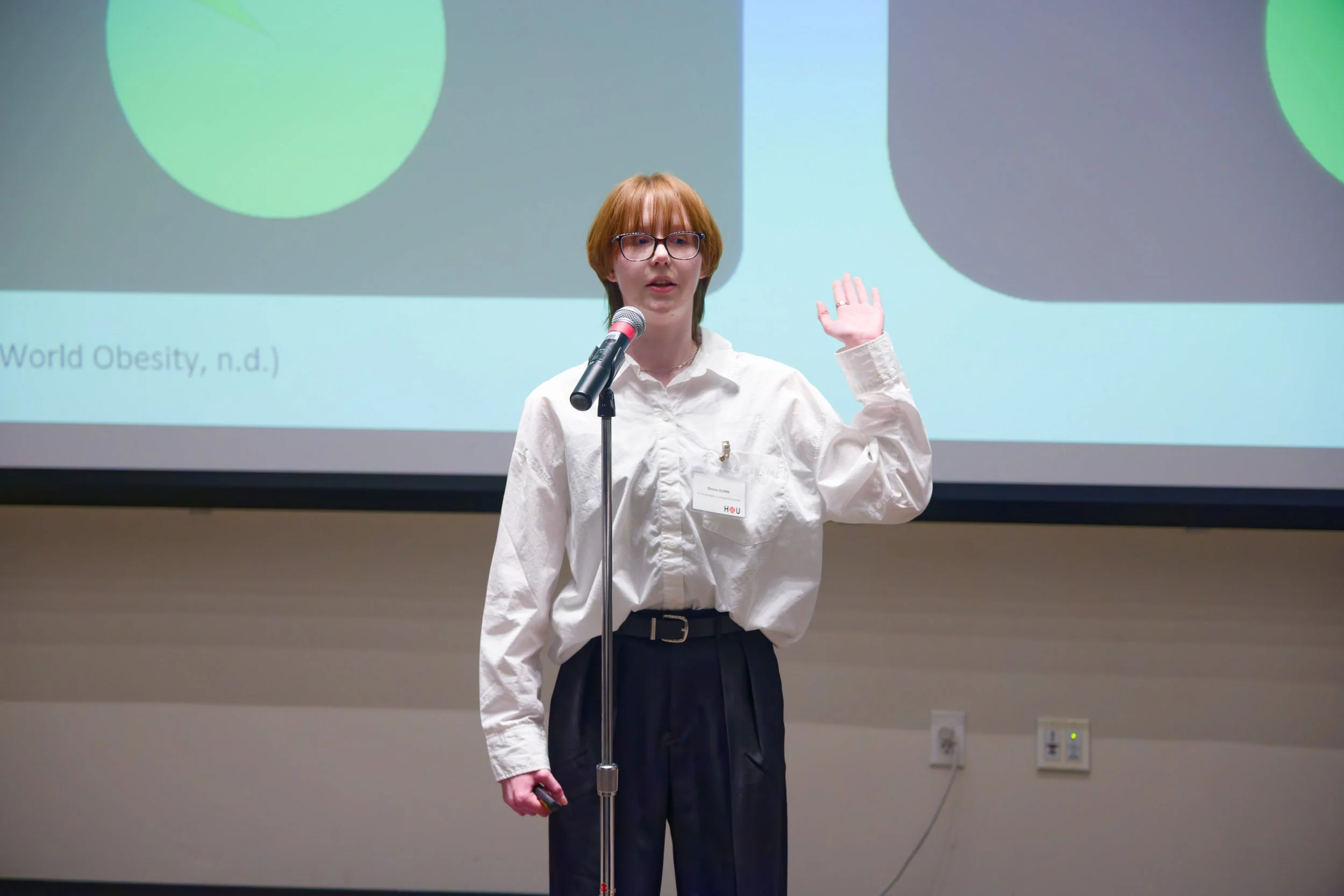
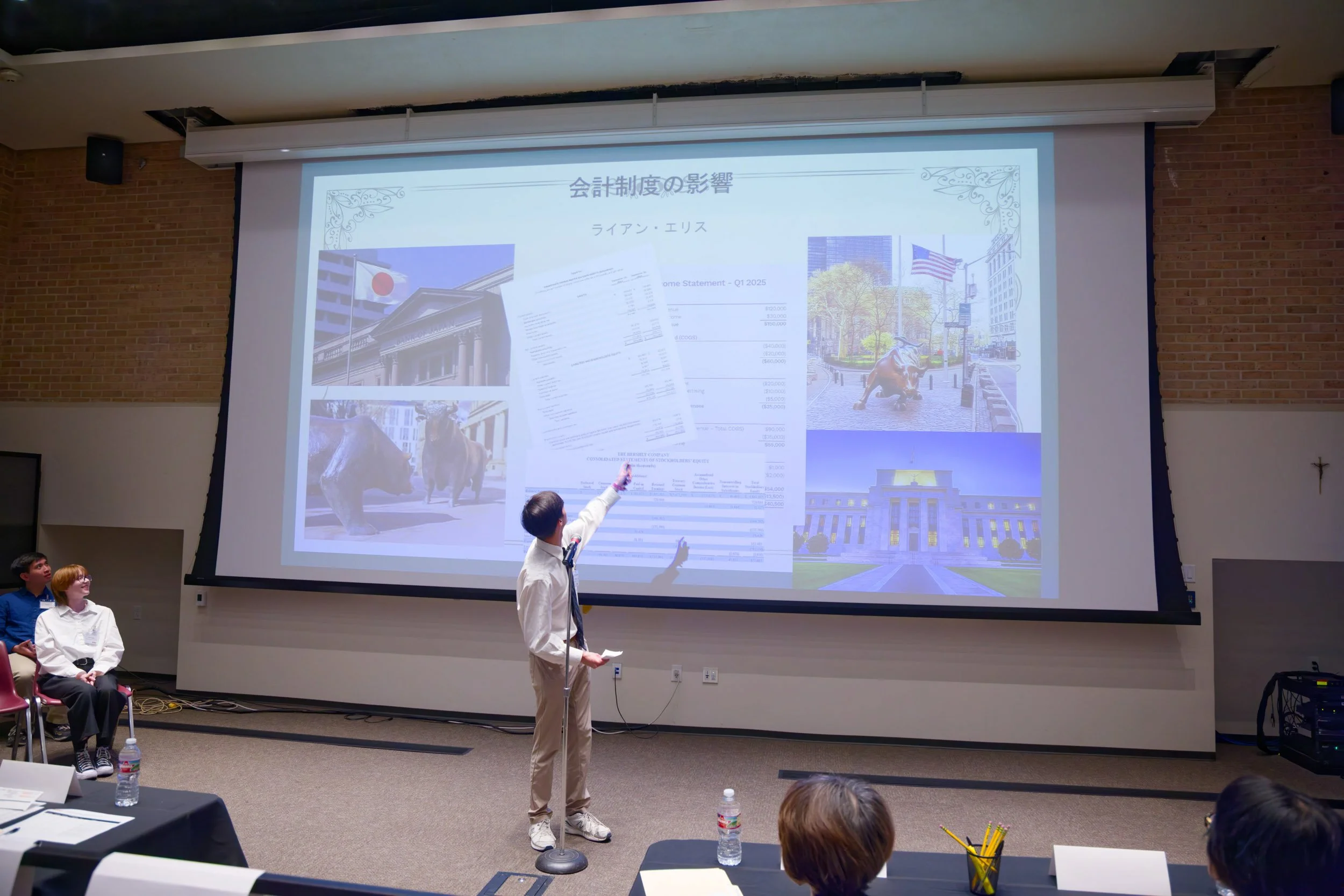
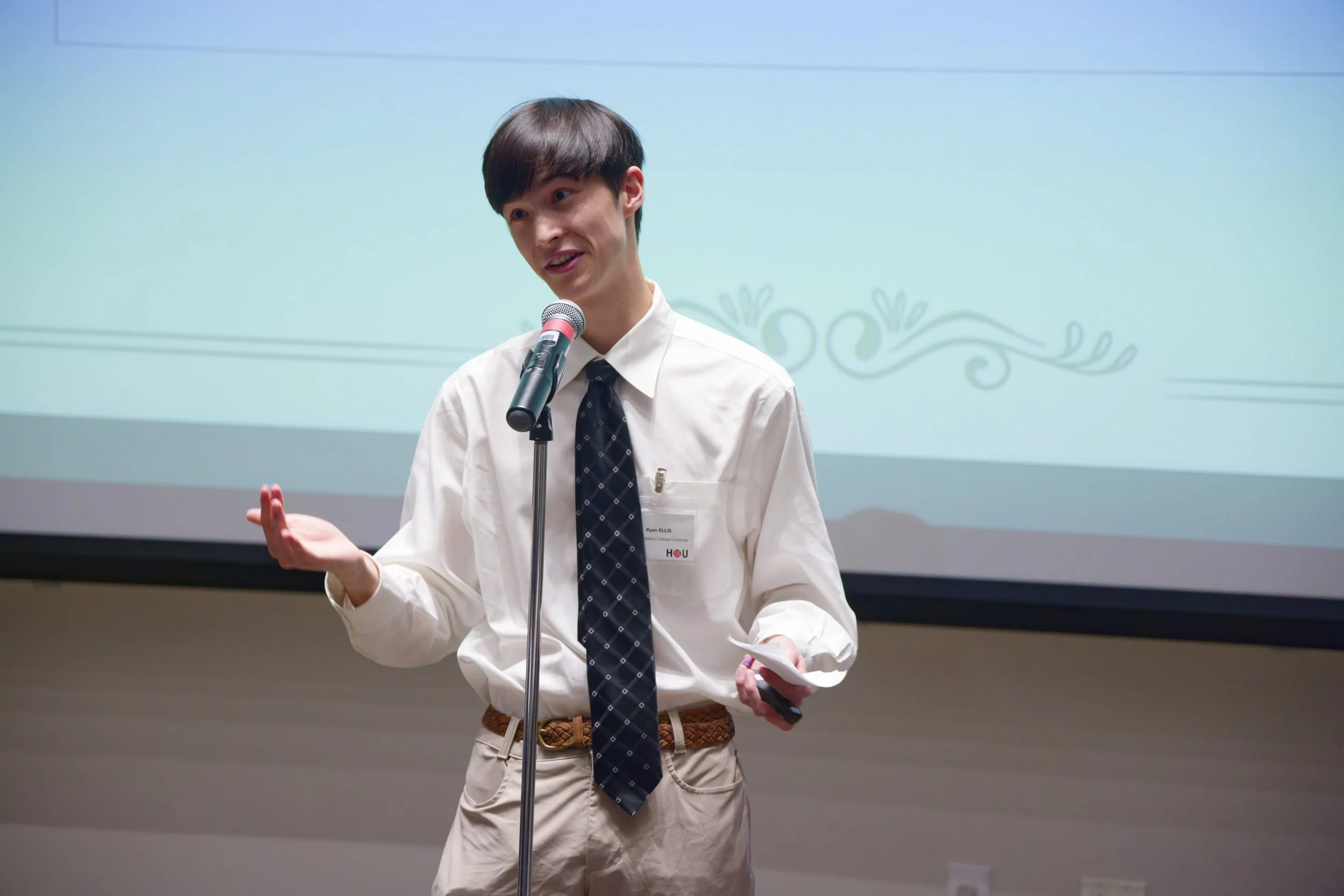
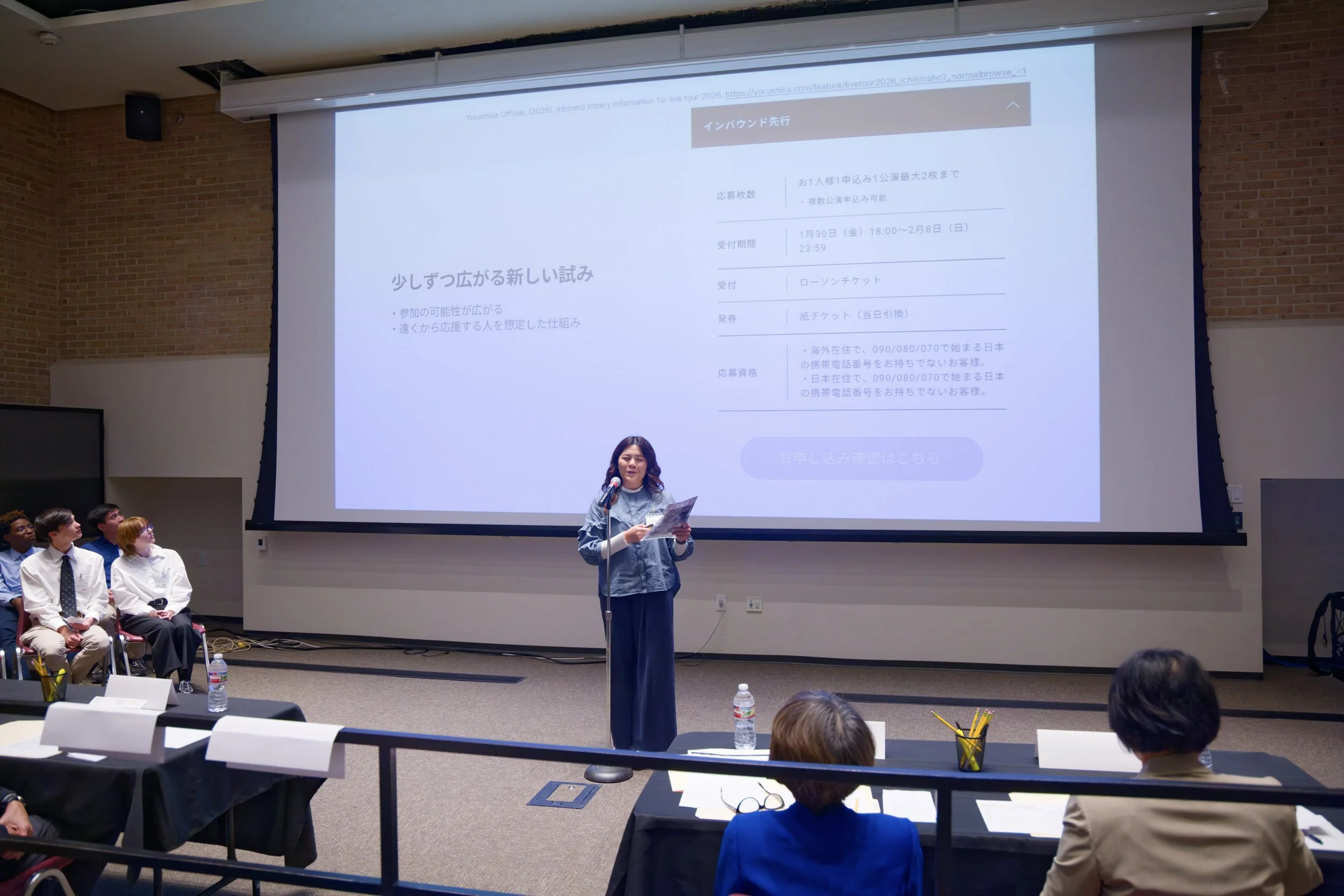
University-level participants delivered original presentations accompanied by visuals and responded to judges’ questions, demonstrating advanced Japanese language skills and thoughtful perspectives.


Participation & Division Breakdown

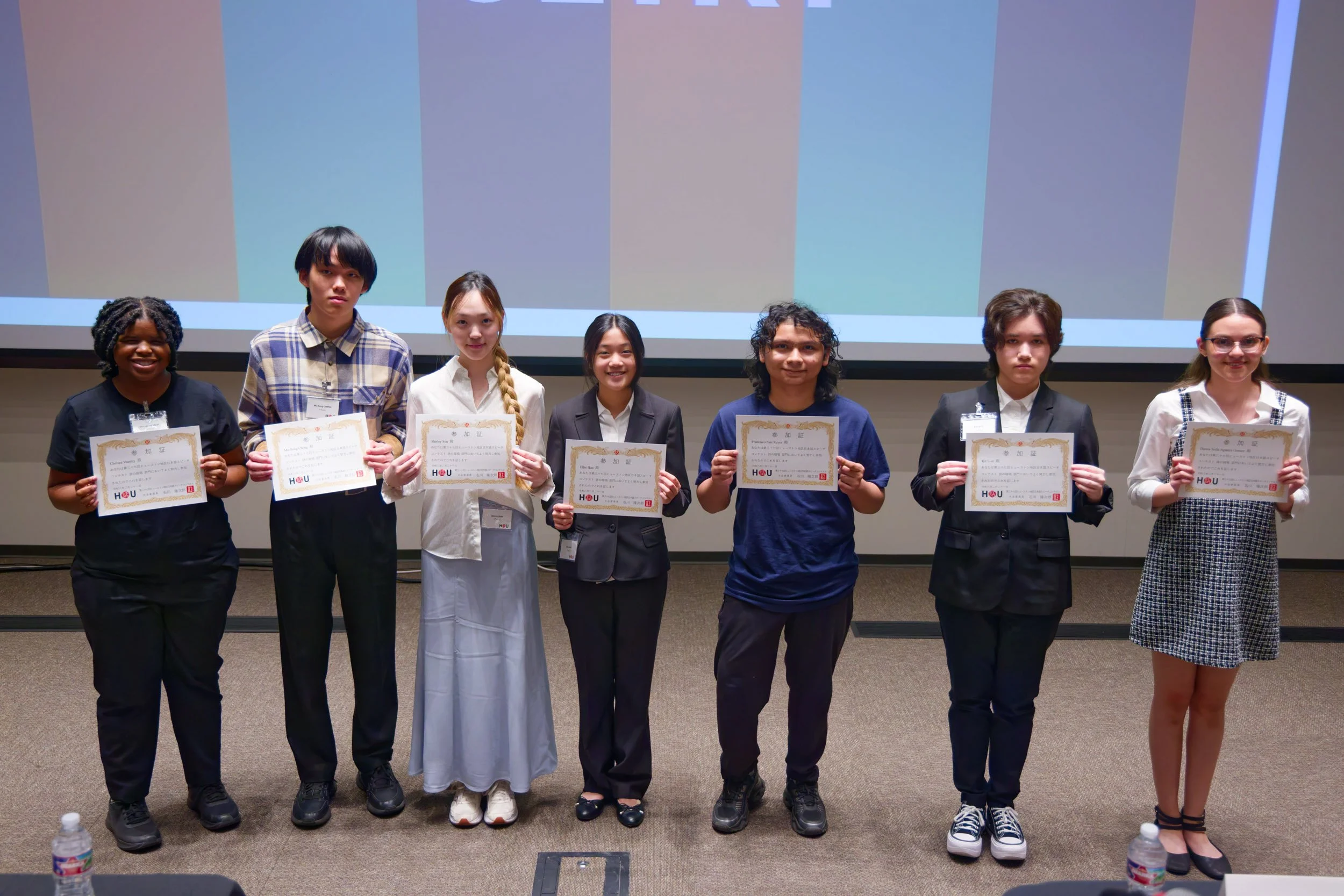
This year, twenty-seven (27) contestants gathered to compete across four divisions:

(i) Division 1 – Poetry Recitation
(ii) Division 2 – Haiku Presentation
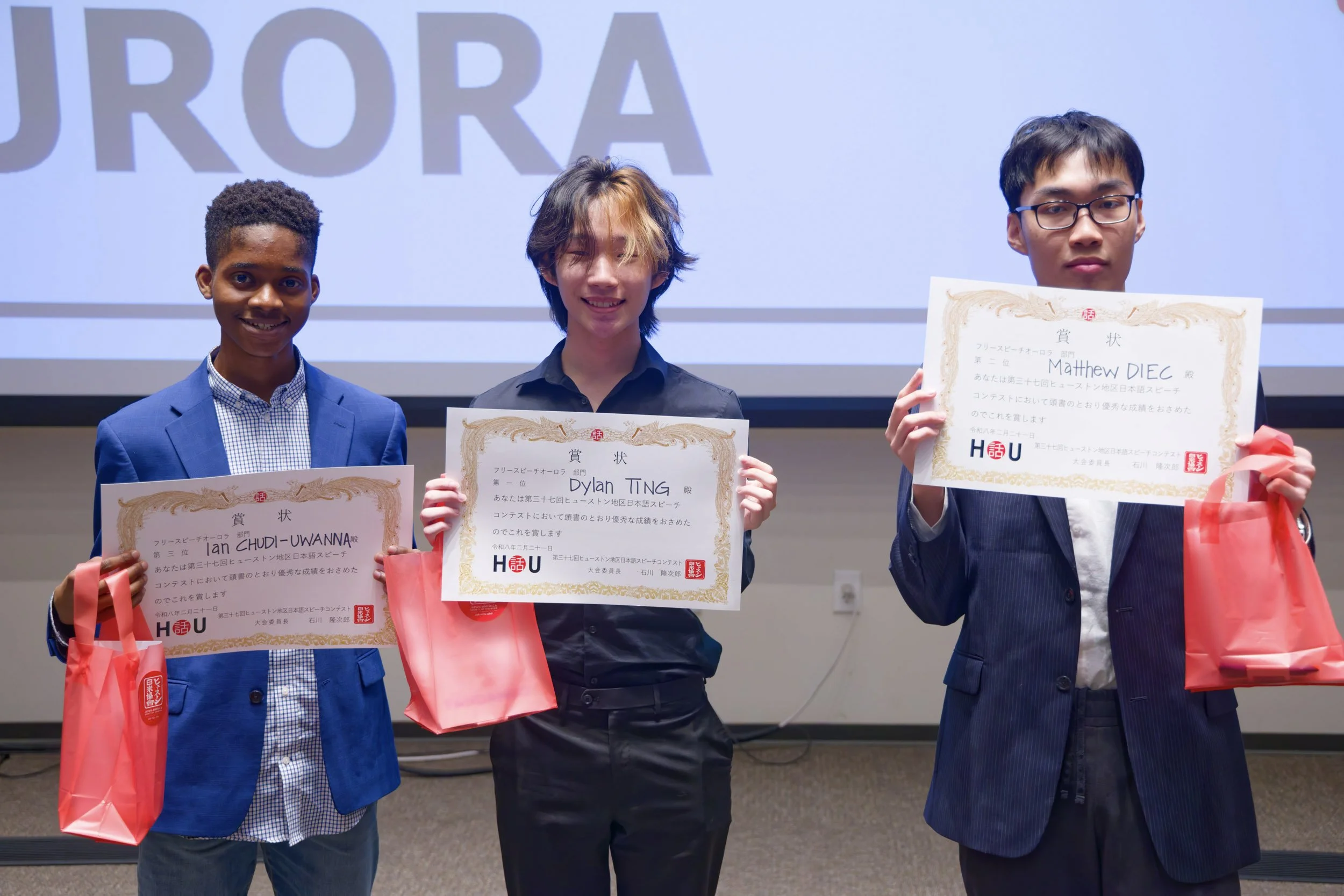
(iii) Division 3 – Free Speech High School Aurora
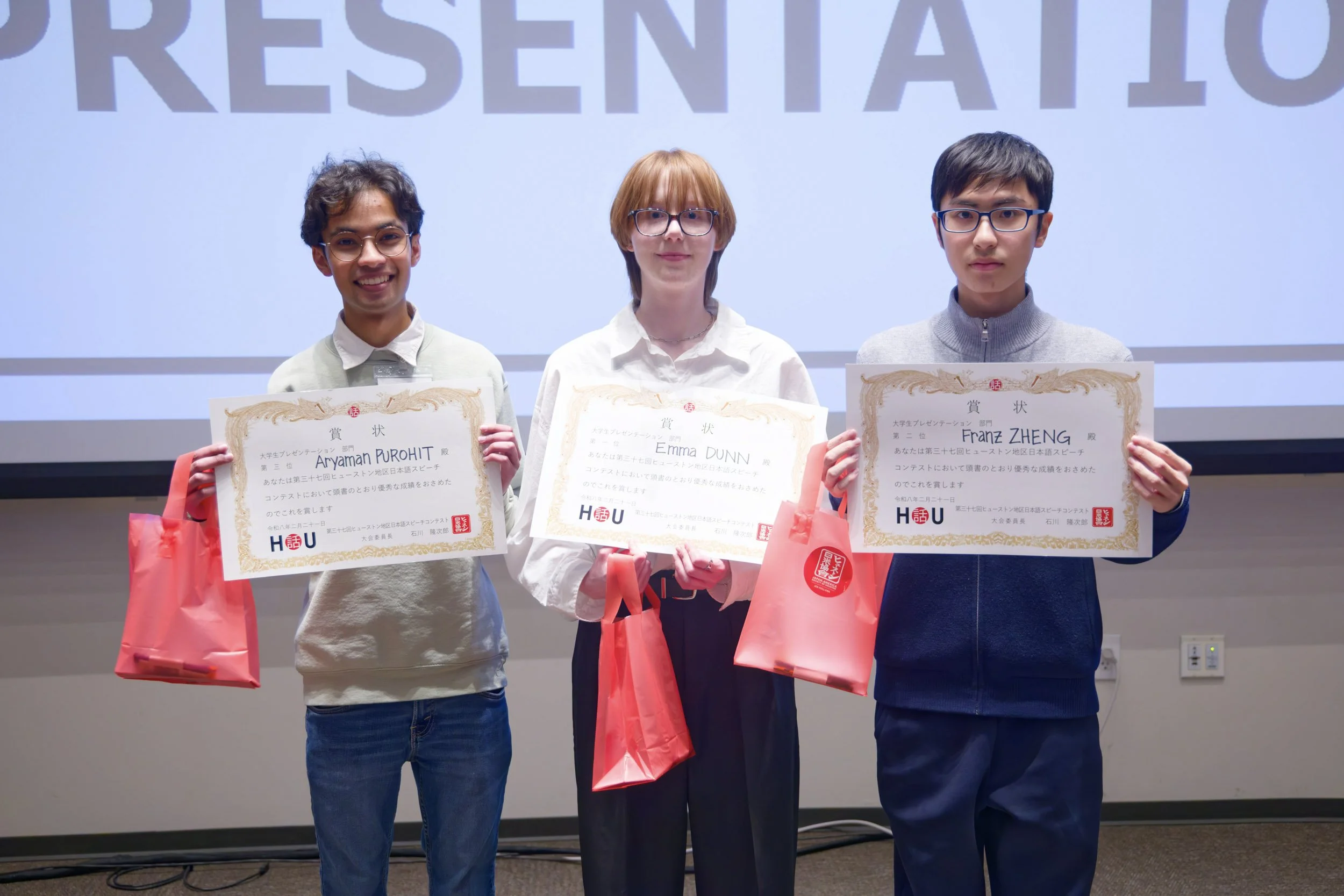
(iv) Division 4 – Free Speech College/University Presentation

  • 7 students competed in the Poetry Recitation division, performing TANIKAWA Shuntaro’s “Morning Relay” (朝のリレー) with careful memorization, pronunciation accuracy, and expressive delivery.

  • 4 students competed in the Haiku division, reciting classic seasonal haiku before presenting original works inspired by traditional poetic forms.

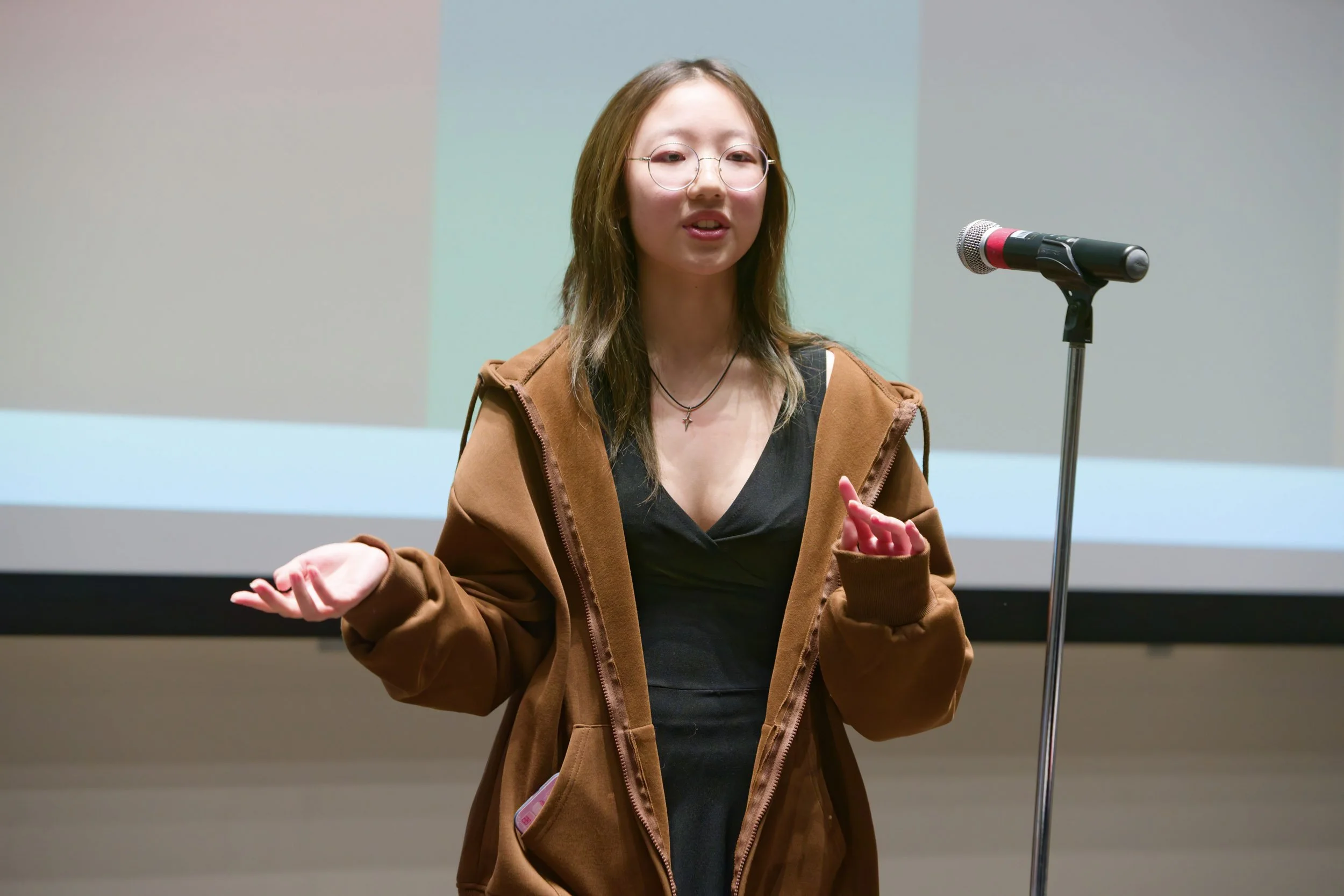
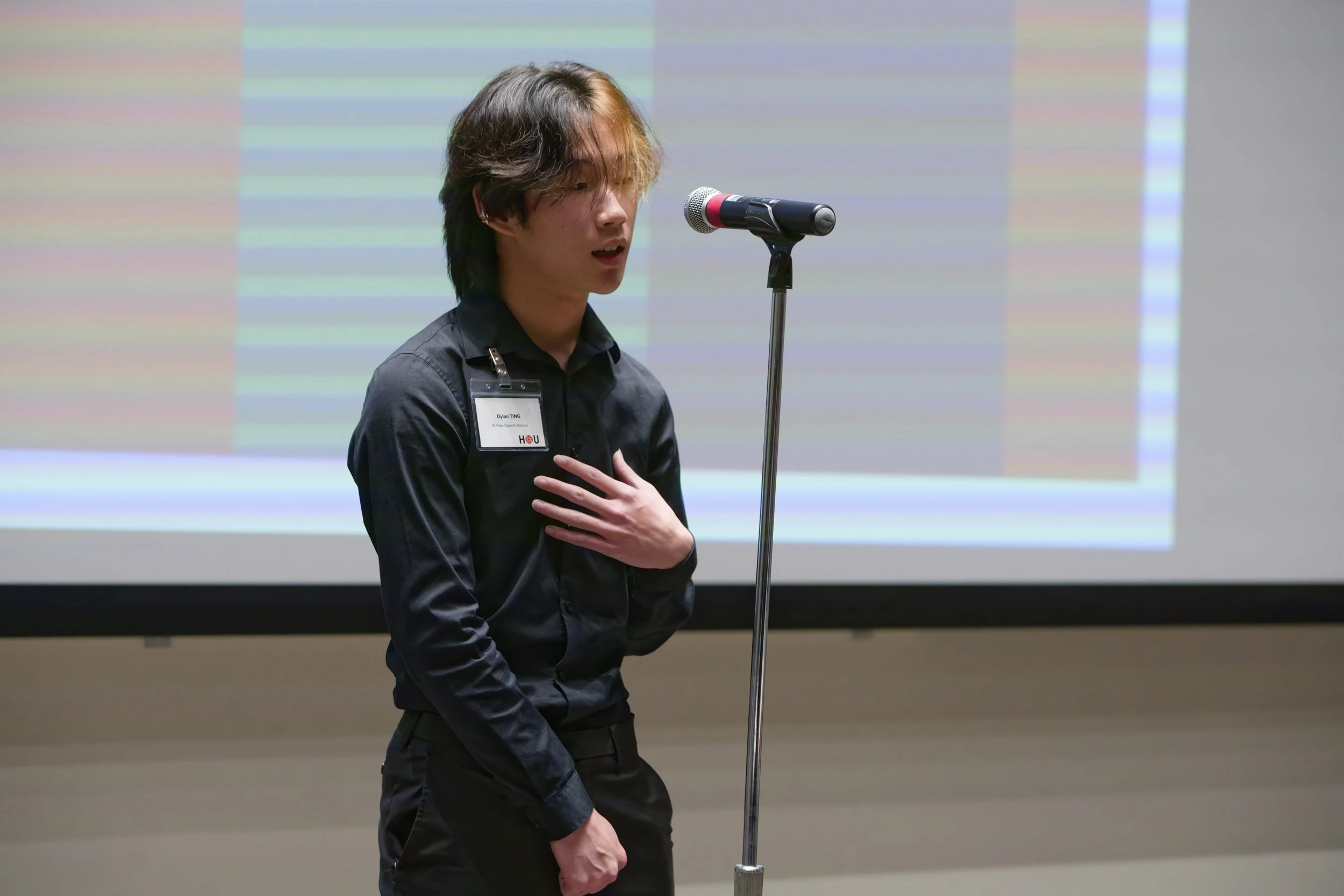
  • 6 students competed in the Free Speech High School Aurora division, delivering original speeches and responding to judges’ questions in Japanese.

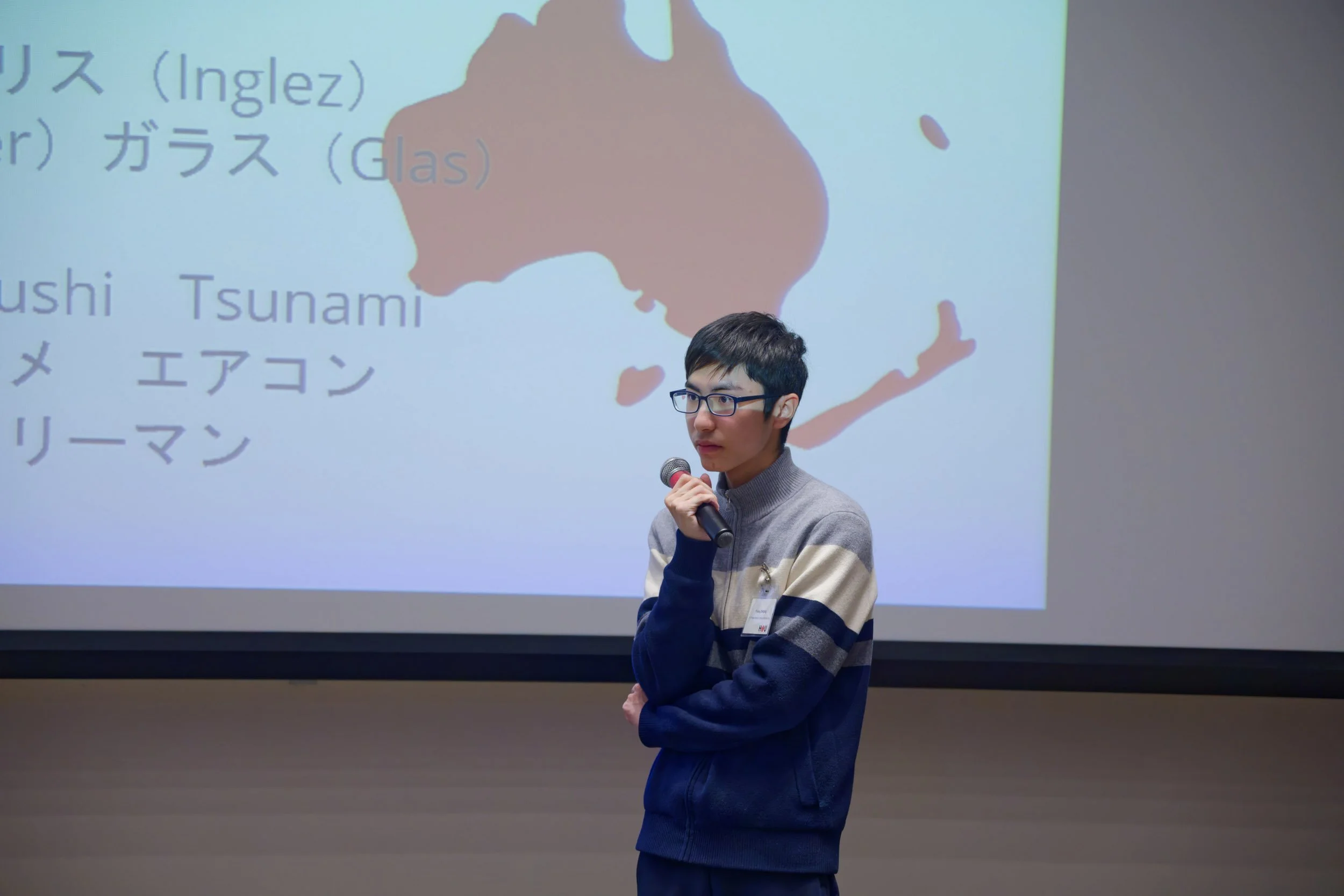
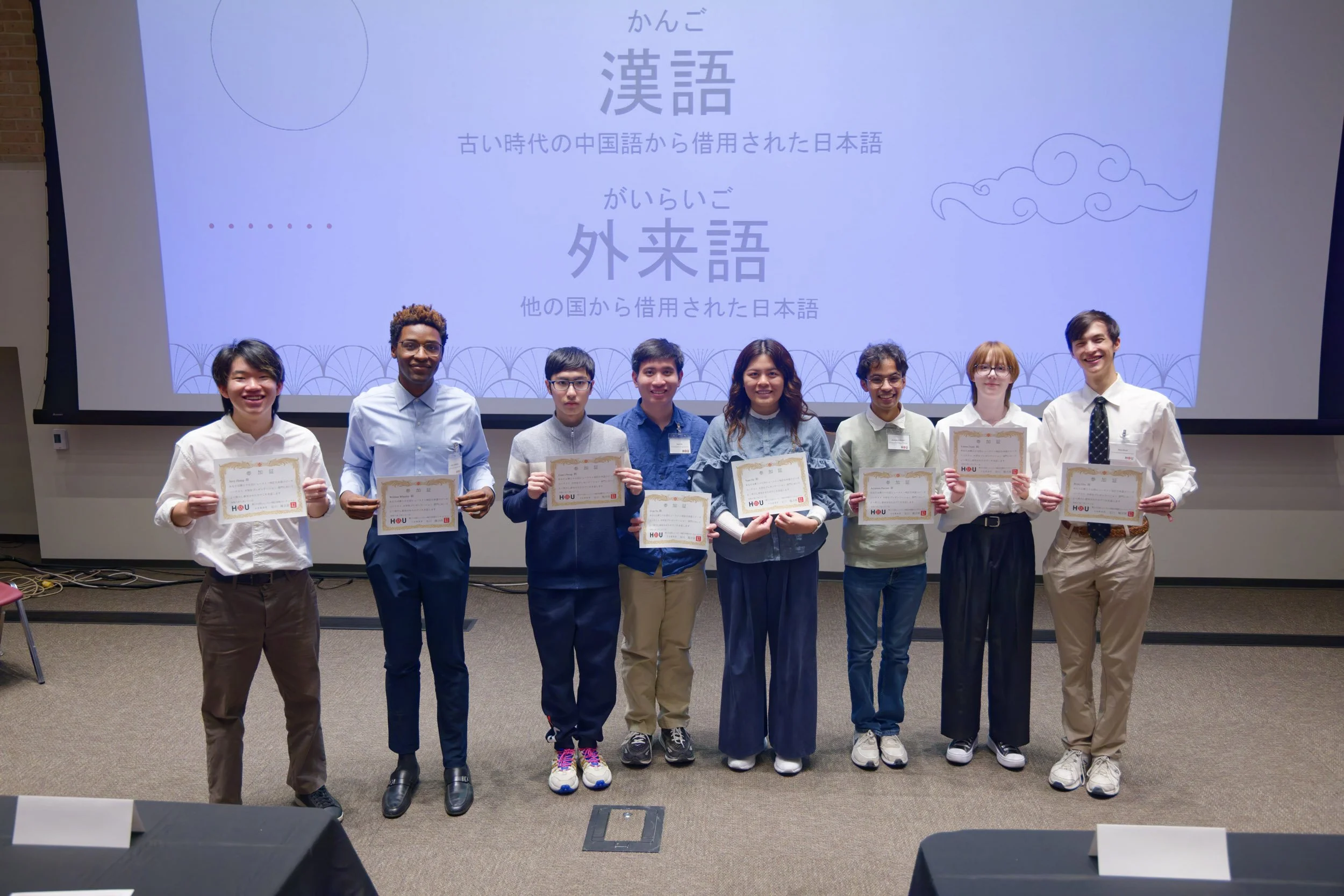
  • 8 students competed in the advanced College/University Presentation division, presenting original research and cultural analyses accompanied by slides and engaging in thoughtful Q&A sessions.

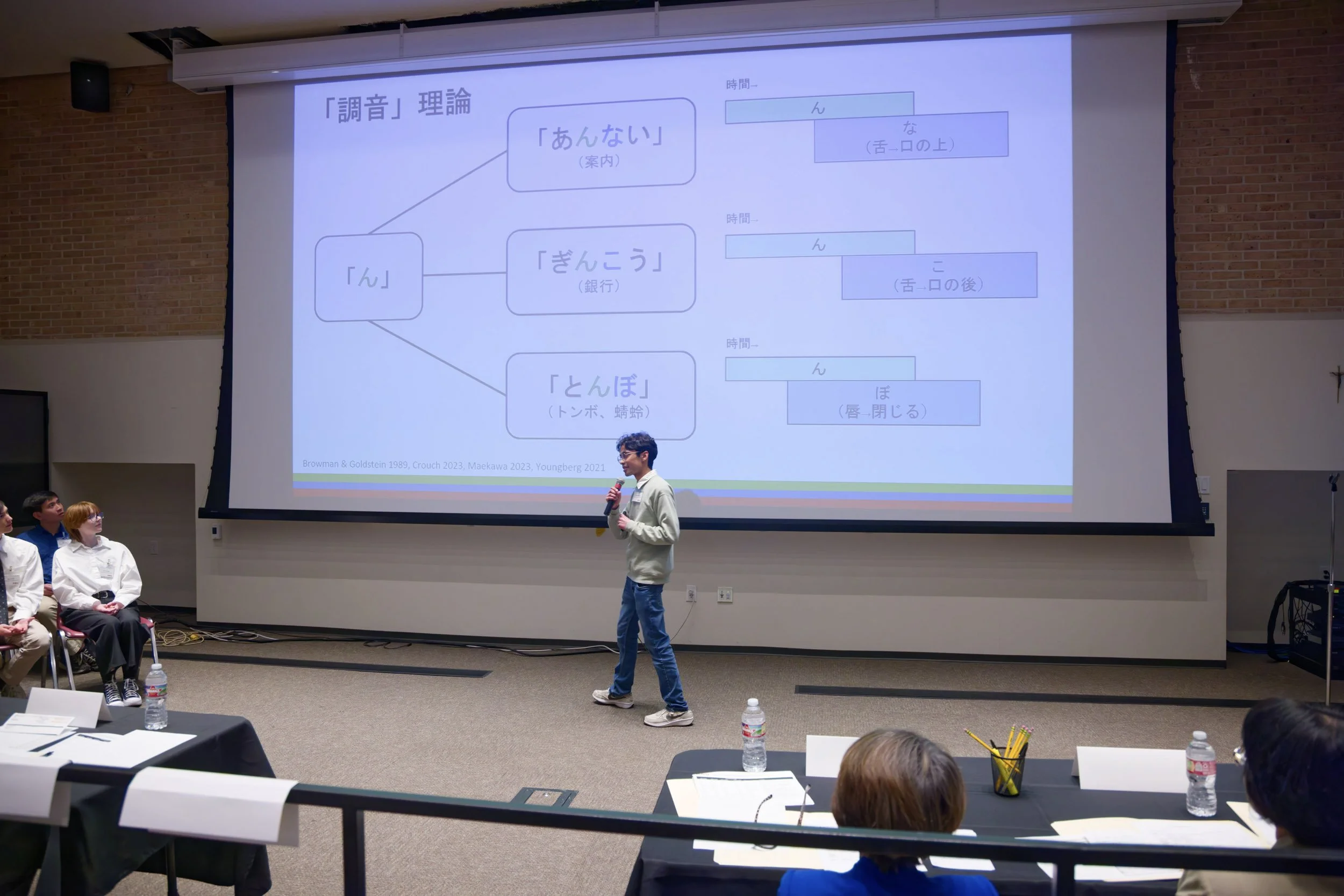
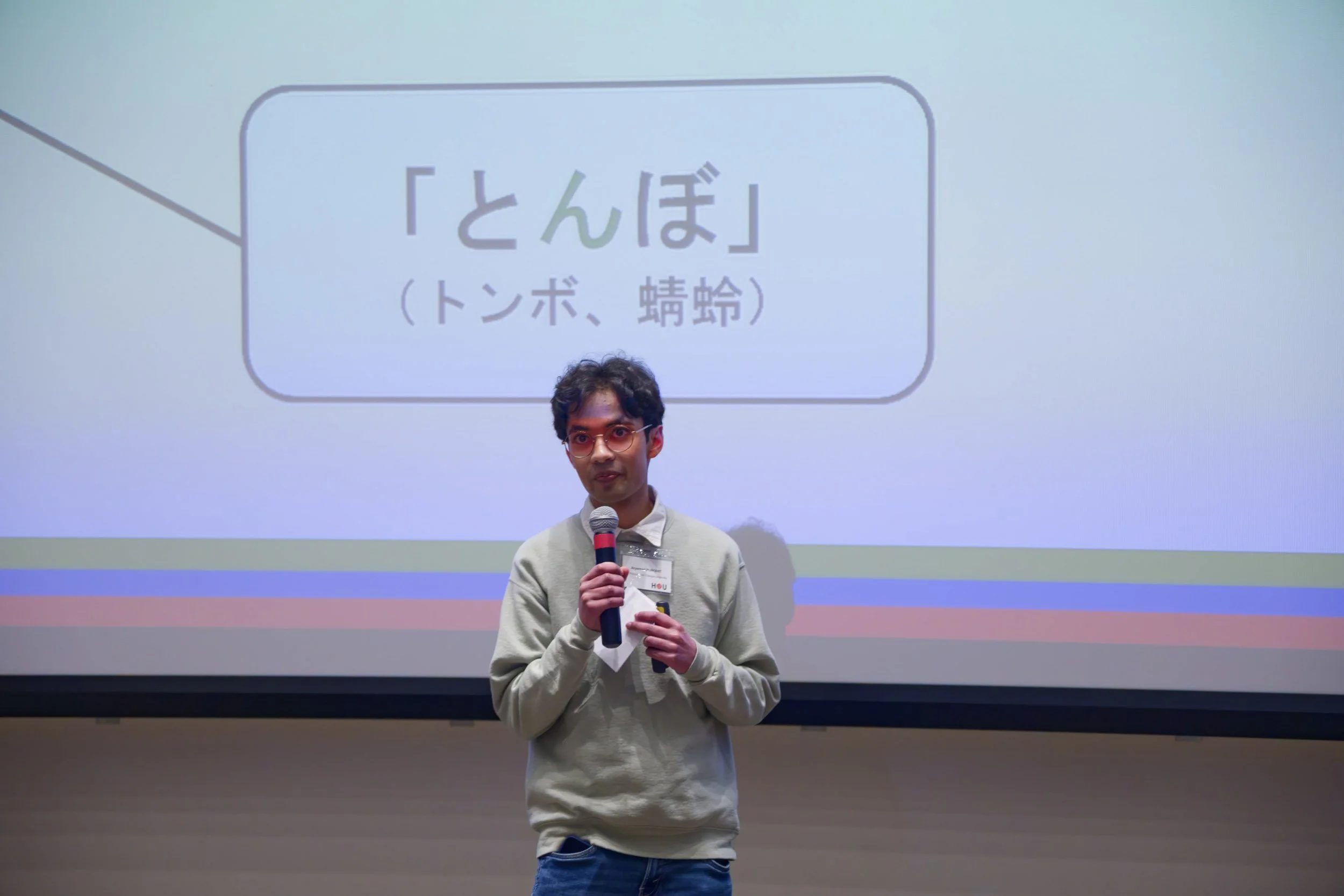
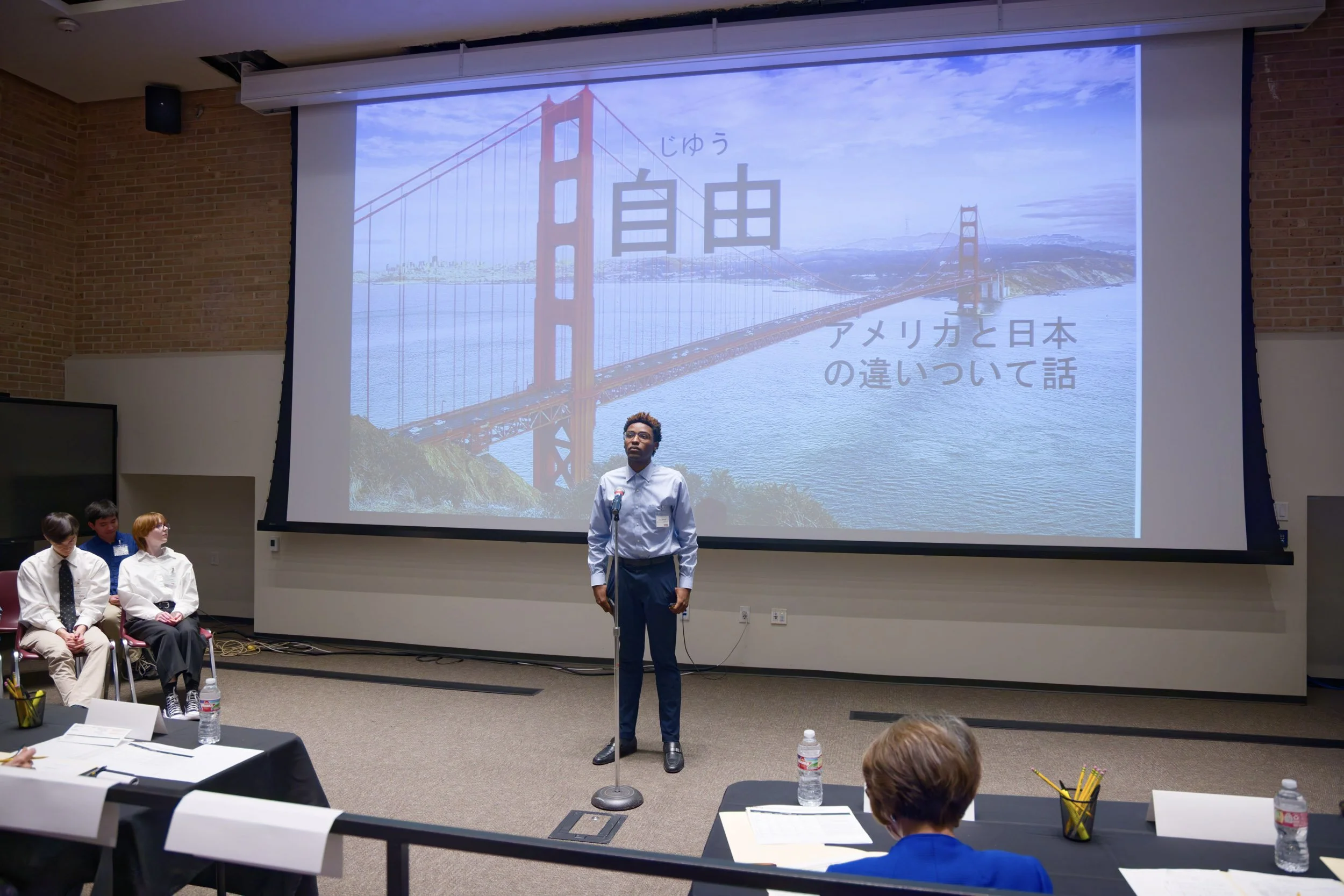
Original speeches reflected an impressive range of interests and perspectives. Topics included global interconnectedness through the KAKEHASHI Project, cultural differences in the concept of freedom, Japanese accounting systems, public health comparisons between Japan and the United States, linguistics, procrastination, photography, multilingual identity, and even the fascinating pronunciation of 「ん」.

Throughout the afternoon, students demonstrated not only strong language skills, but also creativity, intellectual curiosity, and poise.


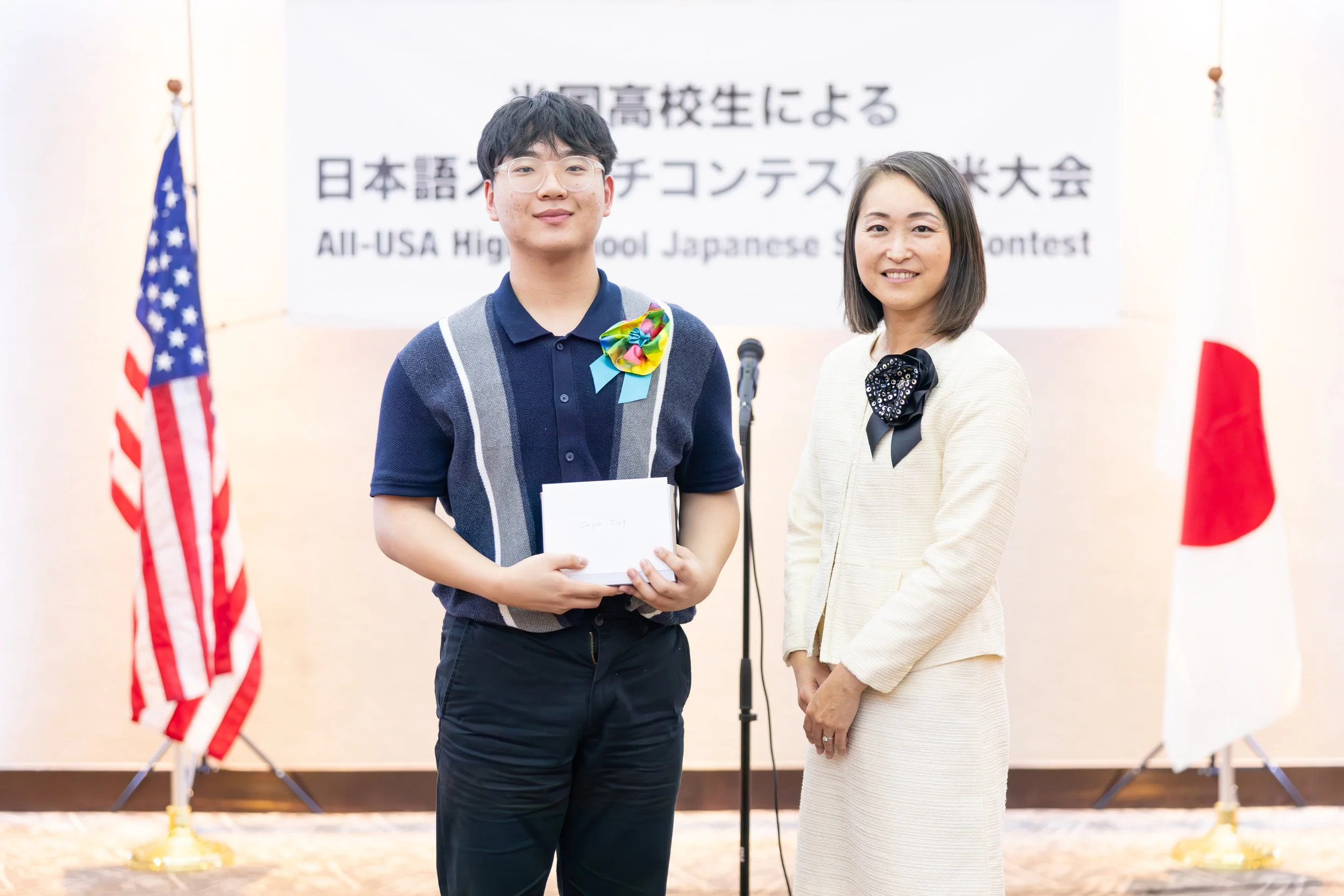
2026 Houston Regional Winners

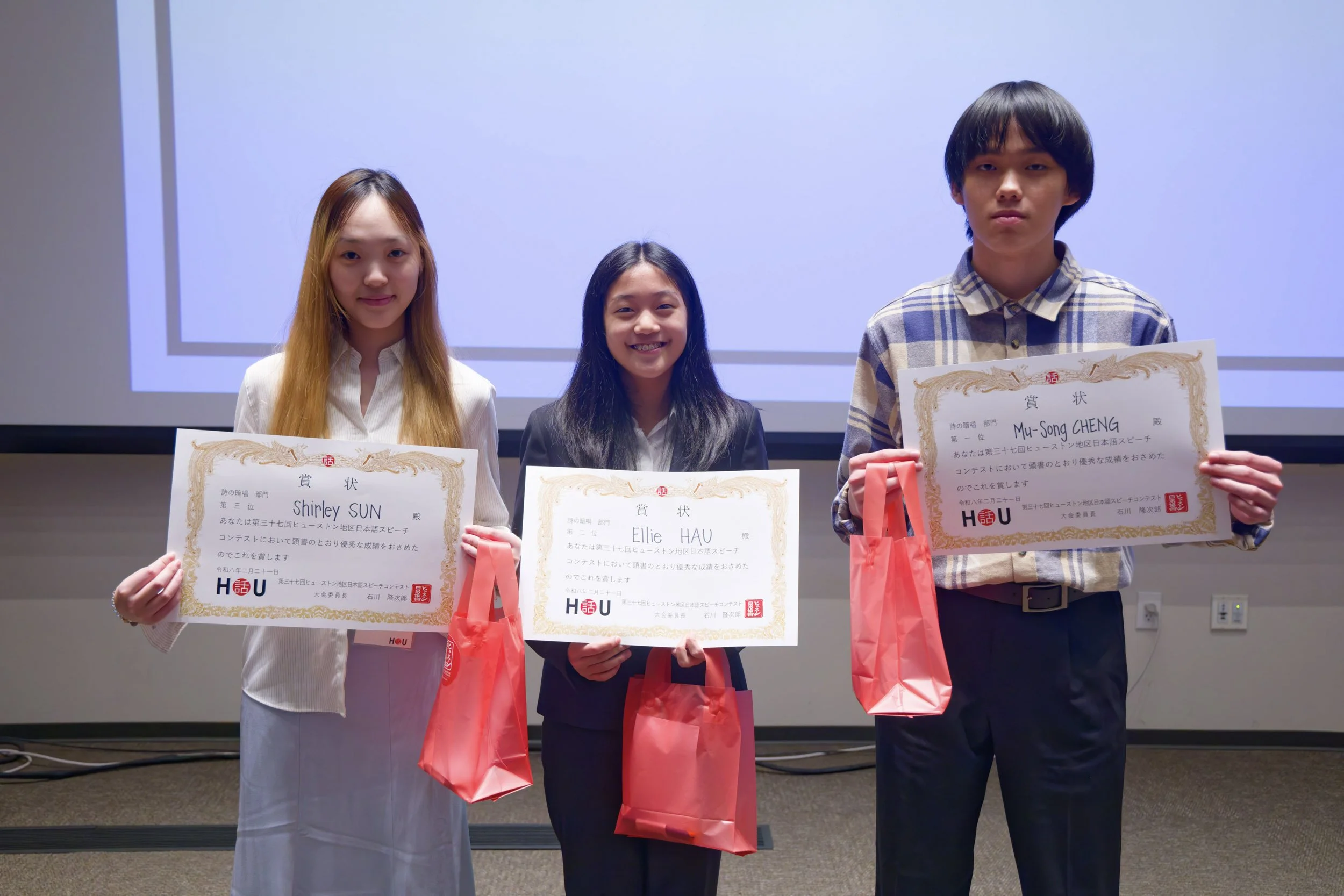
DIVISION 1 - POETRY

1.       Mu-Song CHENG– 11th, William P. Clements High School

2.      Ellie HAU – 9th, William P. Clements High School

3.      Shirley SUN – 9th, William P. Clements High School


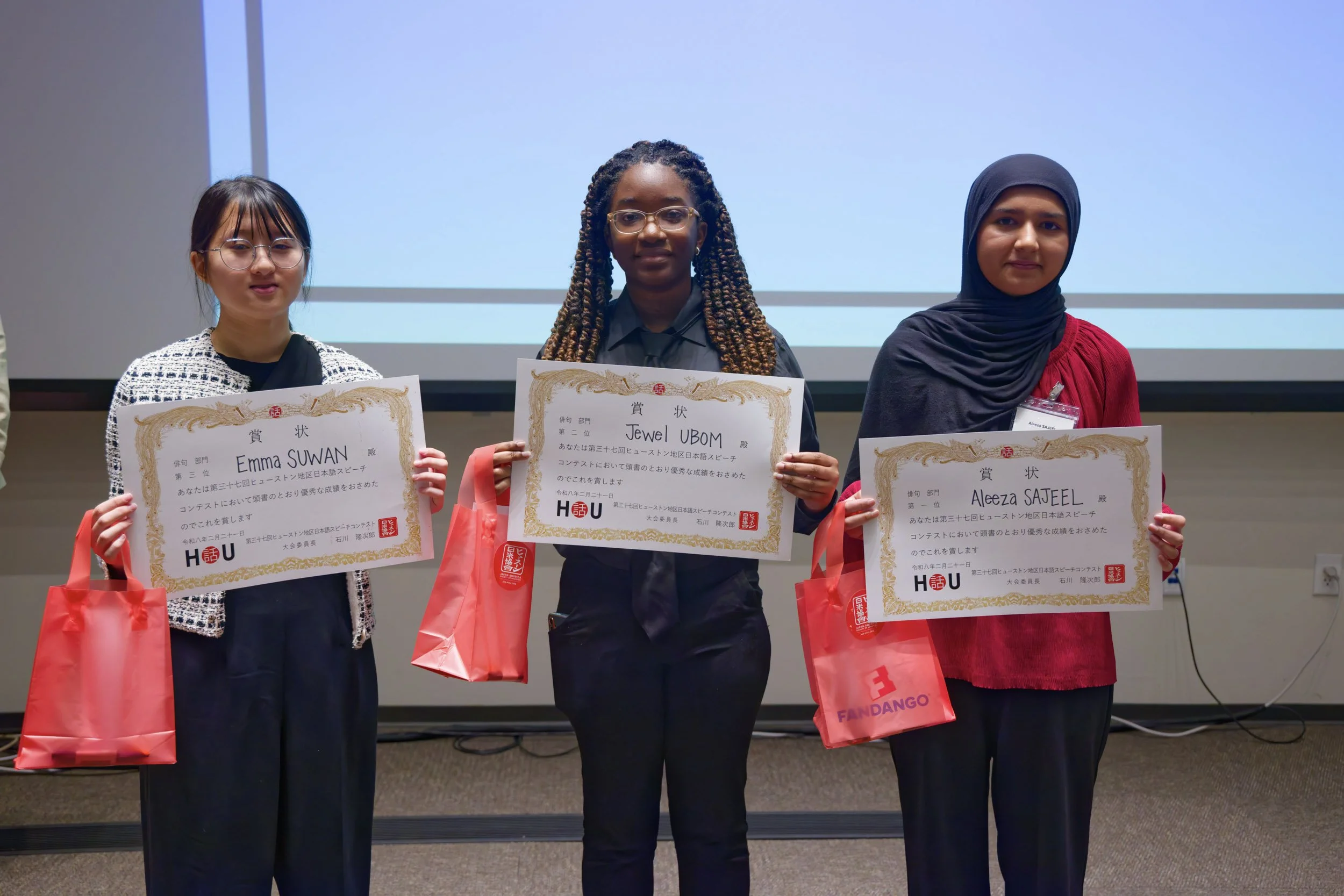
DIVISION 2 - HAIKU

1.       Aleeza SAJEEL – 10th, William P. Clements High School

2.      Jewel UBOM – 10th, William P. Clements High School

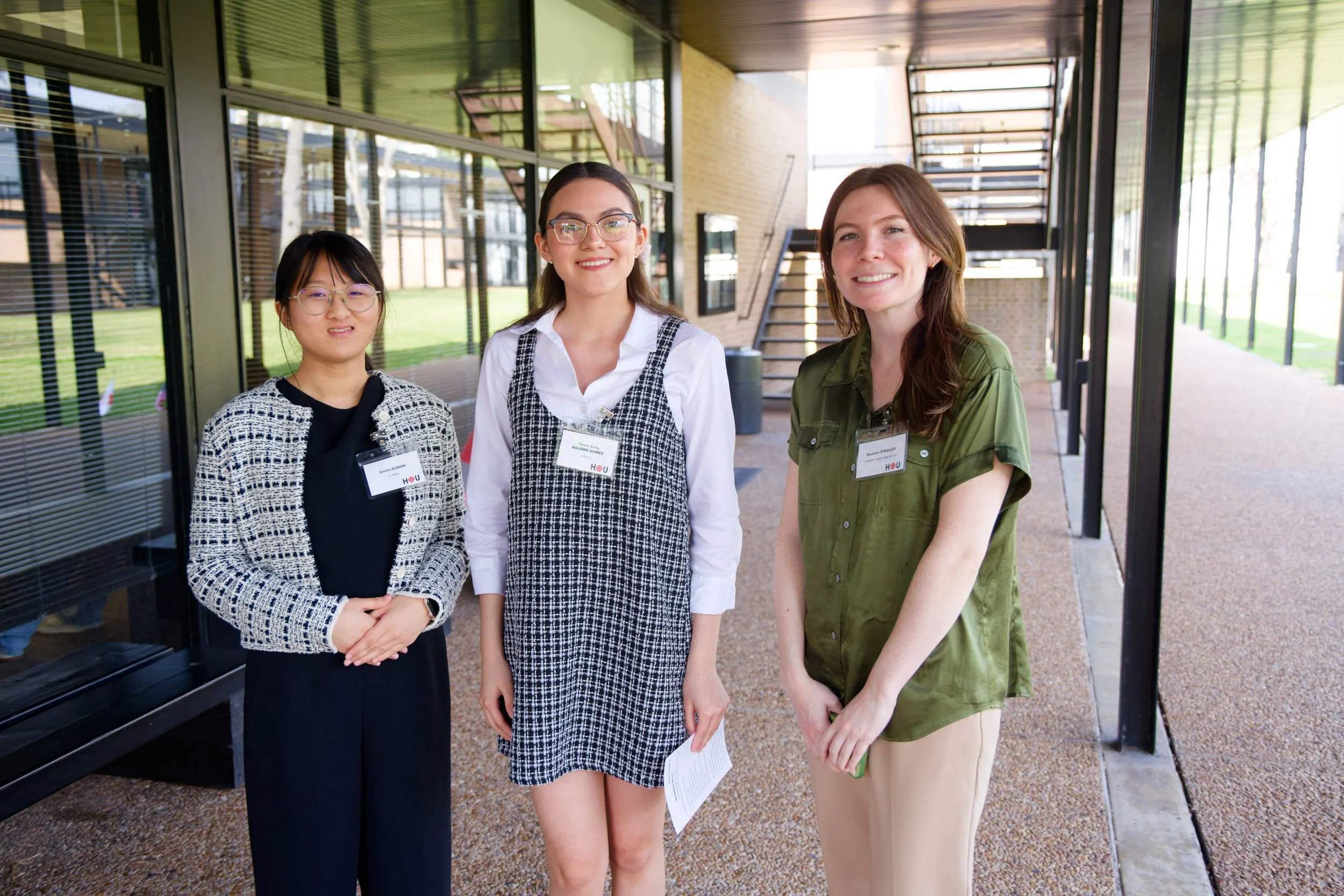
3.      Emma SUWAN – 9th, James E. Taylor High School


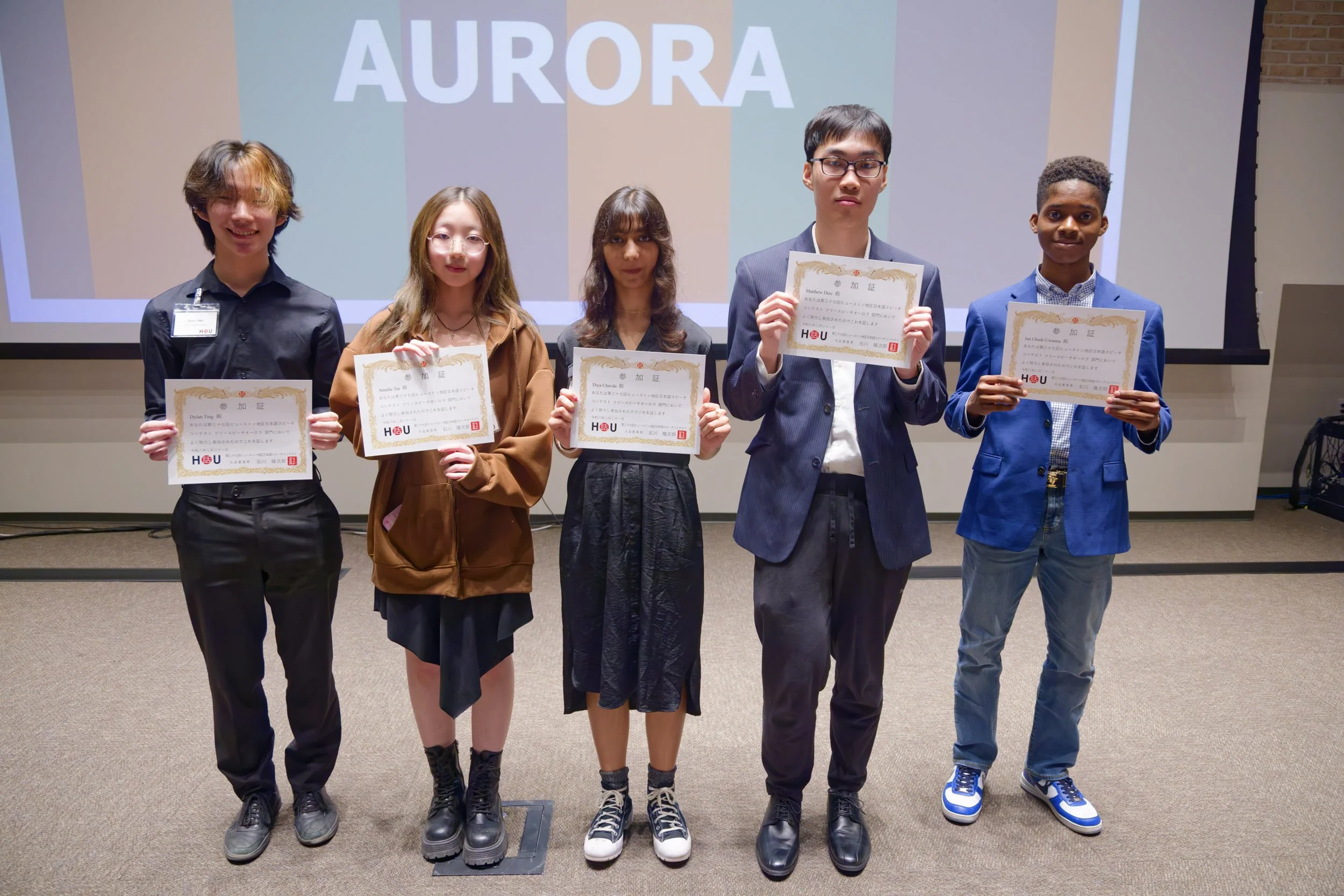
DIVISION 3 - FREE SPEECH HIGH SCHOOL AURORA

1.       Dylan TING – Holding Time for an Instant– 12th, William P. Clements High School

2.      Matthew DIEC – Airsoft & Me – 12th, William P. Clements High School

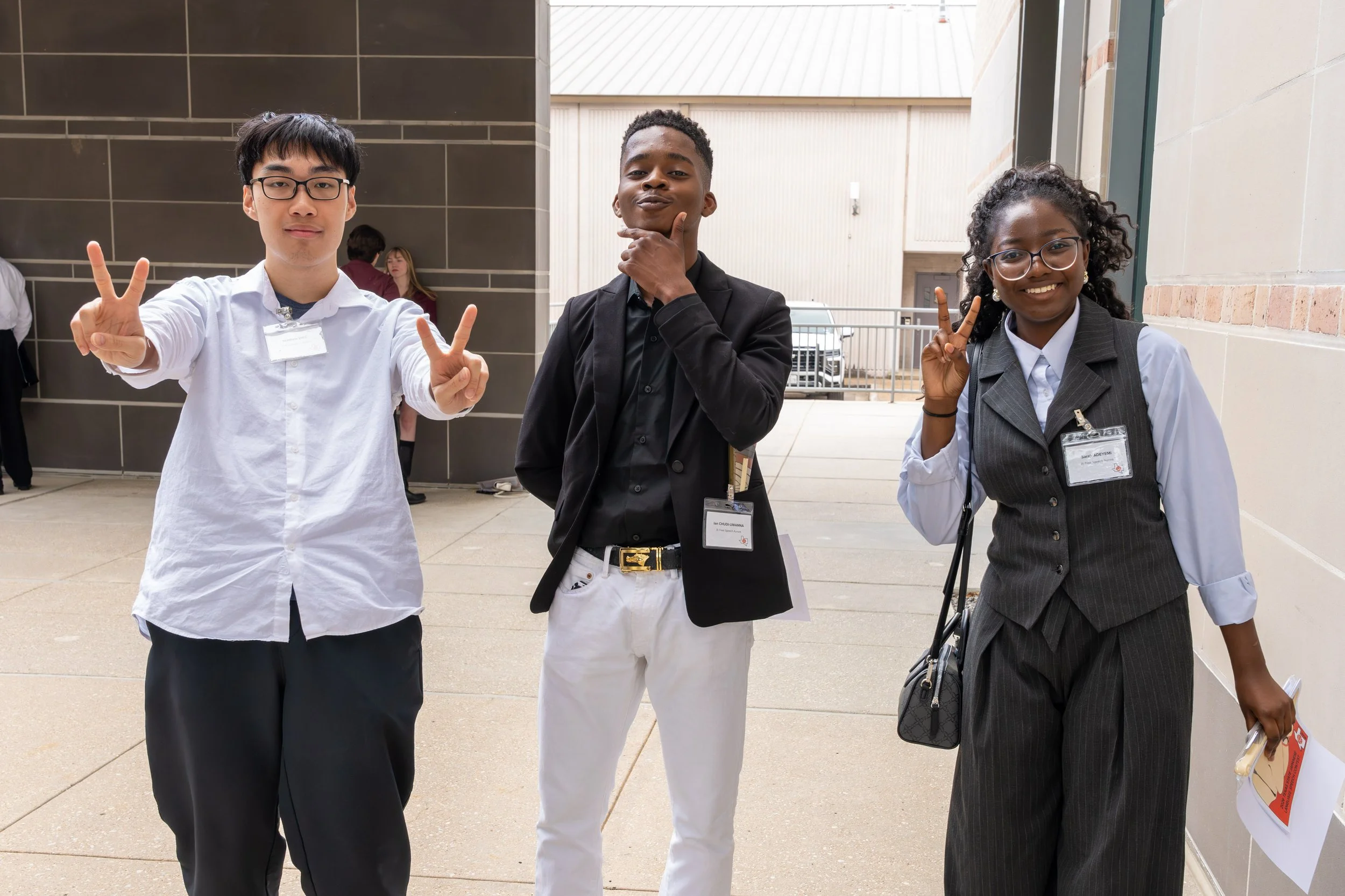
3.       Ian CHUDI-UWANNA – My Experiences Living In Two Different Cities – 11th, Bellaire High School


DIVISION 4 - COLLEGE/UNIVERSITY PRESENTATION

1.       Emma DUNN – Everyday Health – Junior, Texas A&M University

2.      Franz ZHENG – The Origins of Japanese Words– Sophomore, Rice University

3.      Aryaman PUROHIT – The Mysterious 「ん」 – Junior, Rice University


In keeping with this year’s Kabuki theme, first-place winners also received special prizes including Fandango gift cards to view KOKUHO, Japan’s highest-grossing live-action film celebrating the world of Kabuki.

DIVISIONS I & II: POETRY and HAIKU (Beginner & Intermediate)

  • 1st place: $25 gift card, Fandango gift card for two, & a Kabuki Furoshiki

  • 2nd Place: $15 gift card & a Kabuki Furoshiki

  • 3rd Place: $10 gift card & a Kabuki Furoshiki

DIVISIONS III & IV: FREE SPEECH High School and University

  • 1st place: $50 gift card Fandango gift card for two, & a Kabuki Furoshiki

  • 2nd Place: $25 gift card & a Kabuki Furoshiki

  • 3rd Place: $15 gift card & a Kabuki Furoshiki

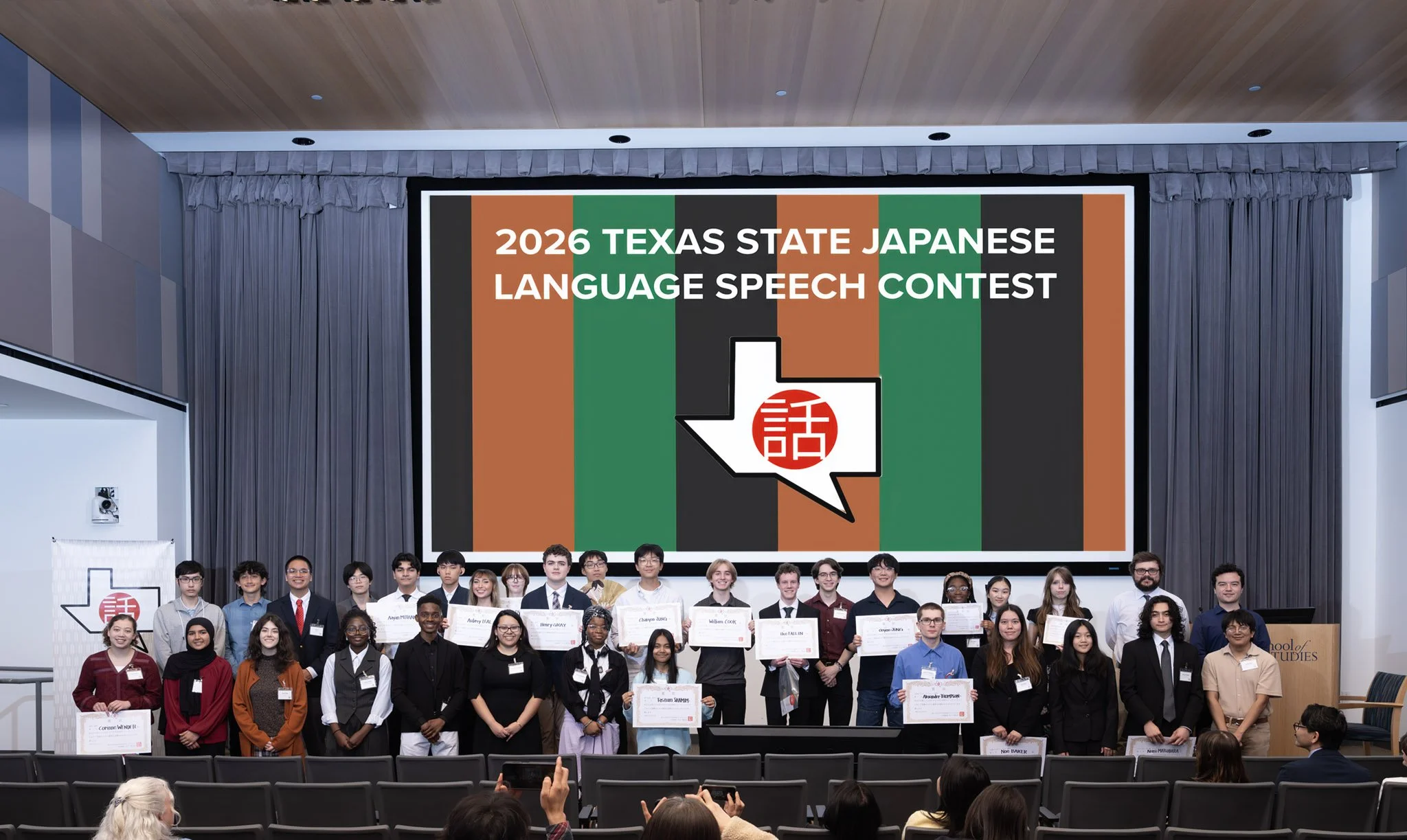
First and second place winners in each division will also advance to represent Houston at the 2026 Texas State Japanese Language Speech Contest on March 7 at Rice University.


Gratitude to Our Community

JASH extends sincere appreciation to:

  • University of St. Thomas Center for International Studies, the Taiwan and East Asia Studies Program, and the Mandarin Center for sponsoring the contest

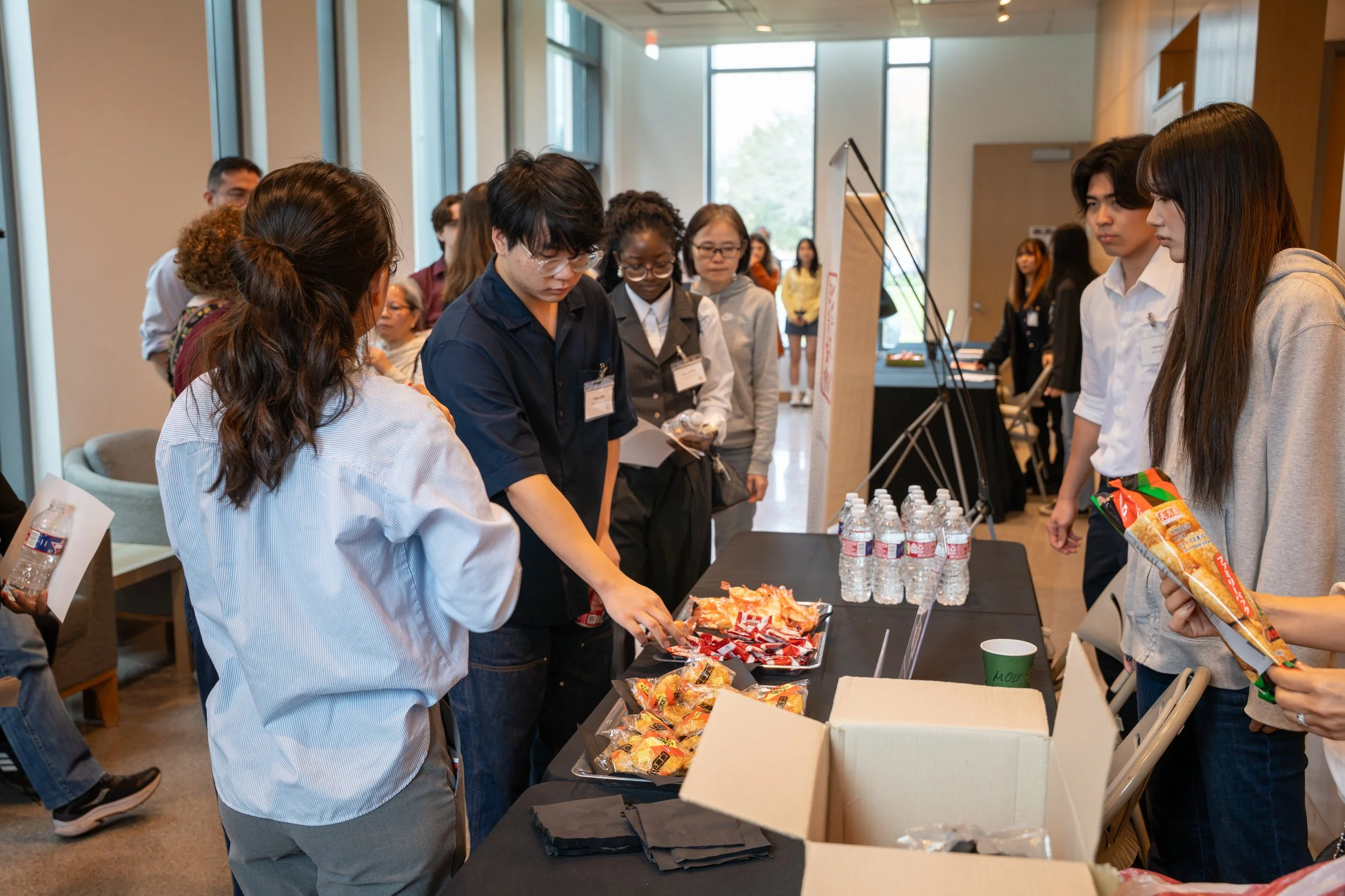
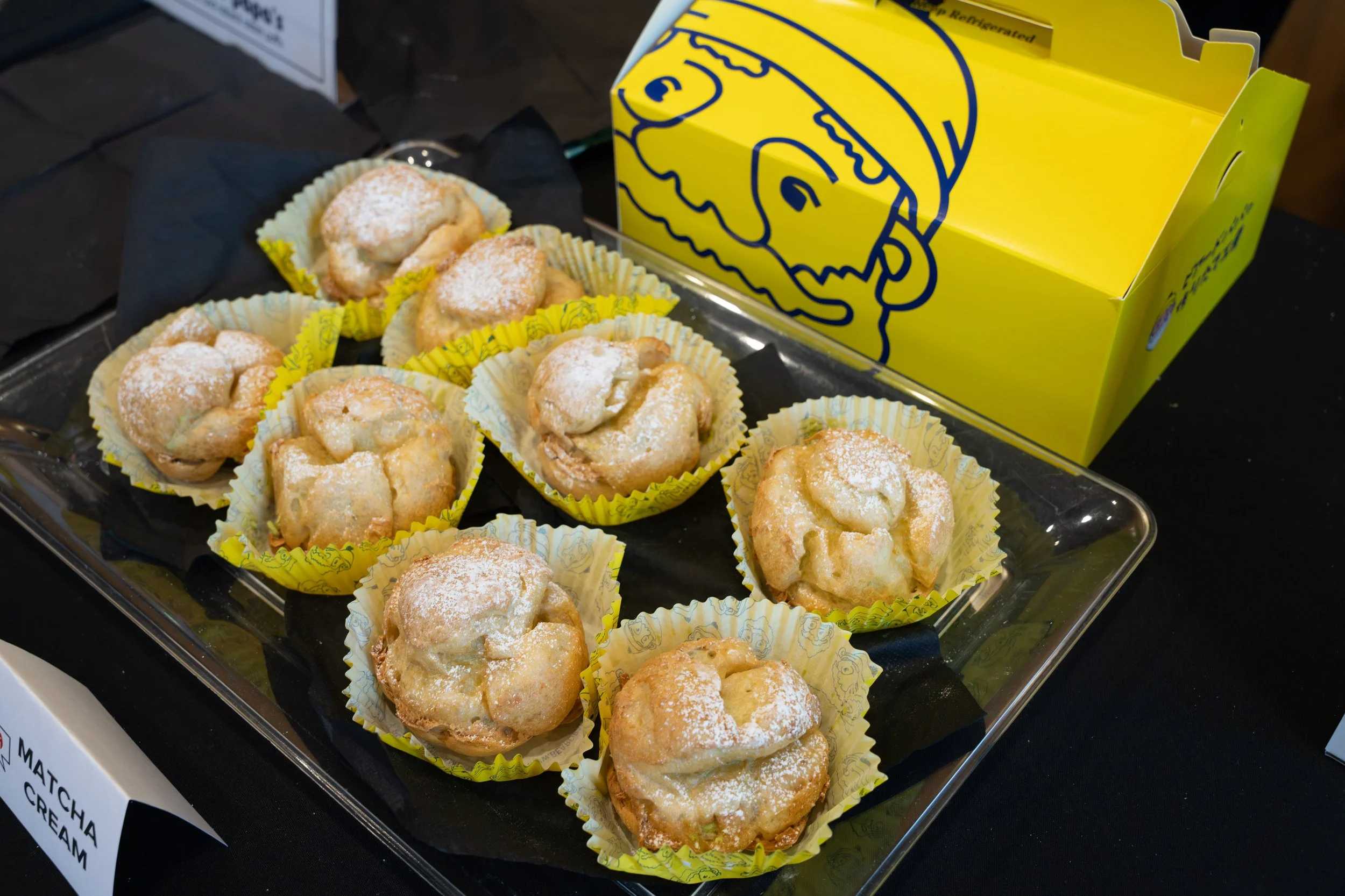
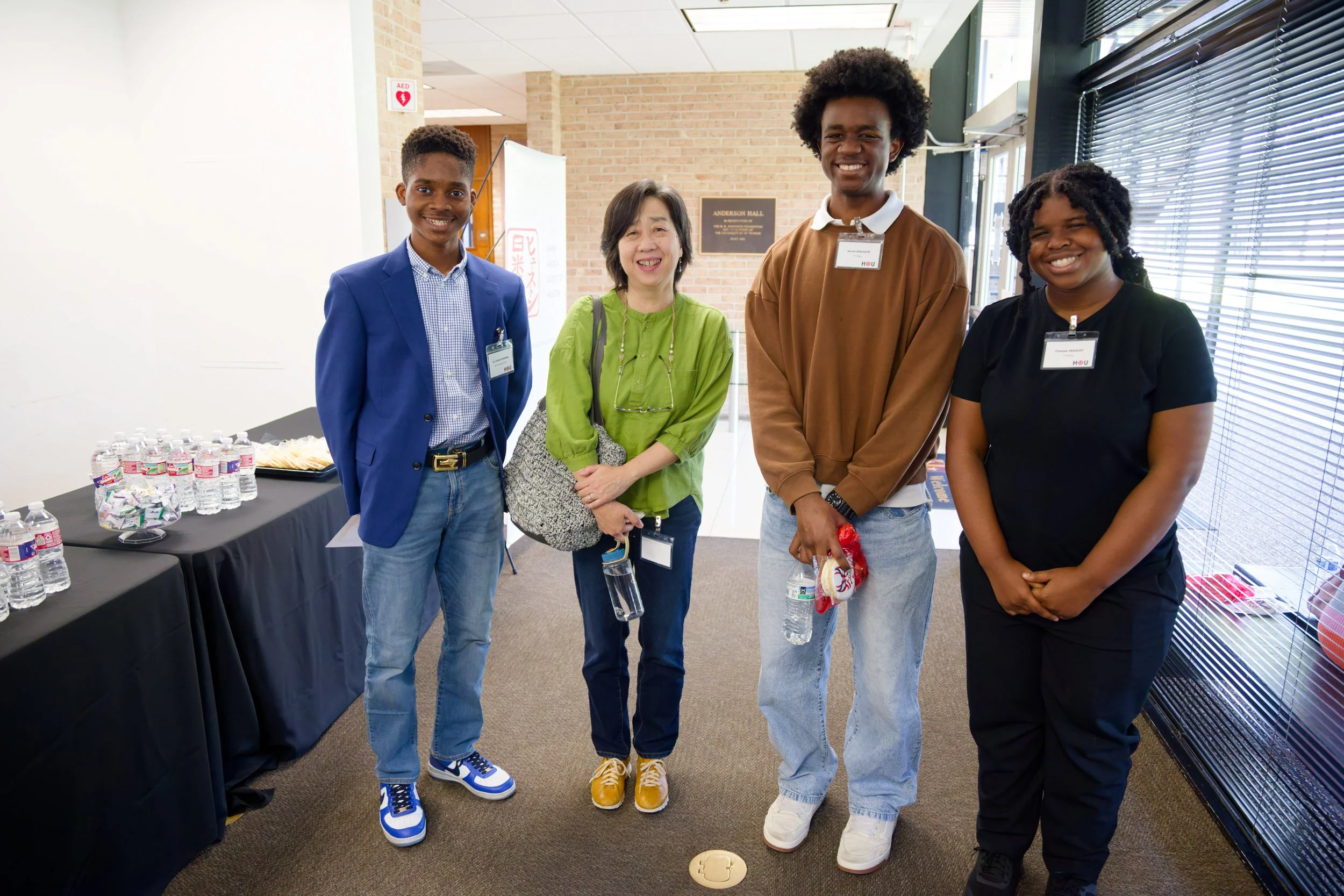
  • Daido Market for generously providing participation prizes for the contestants as well as refreshments

  • Kinokuniya Books for donating gift cards

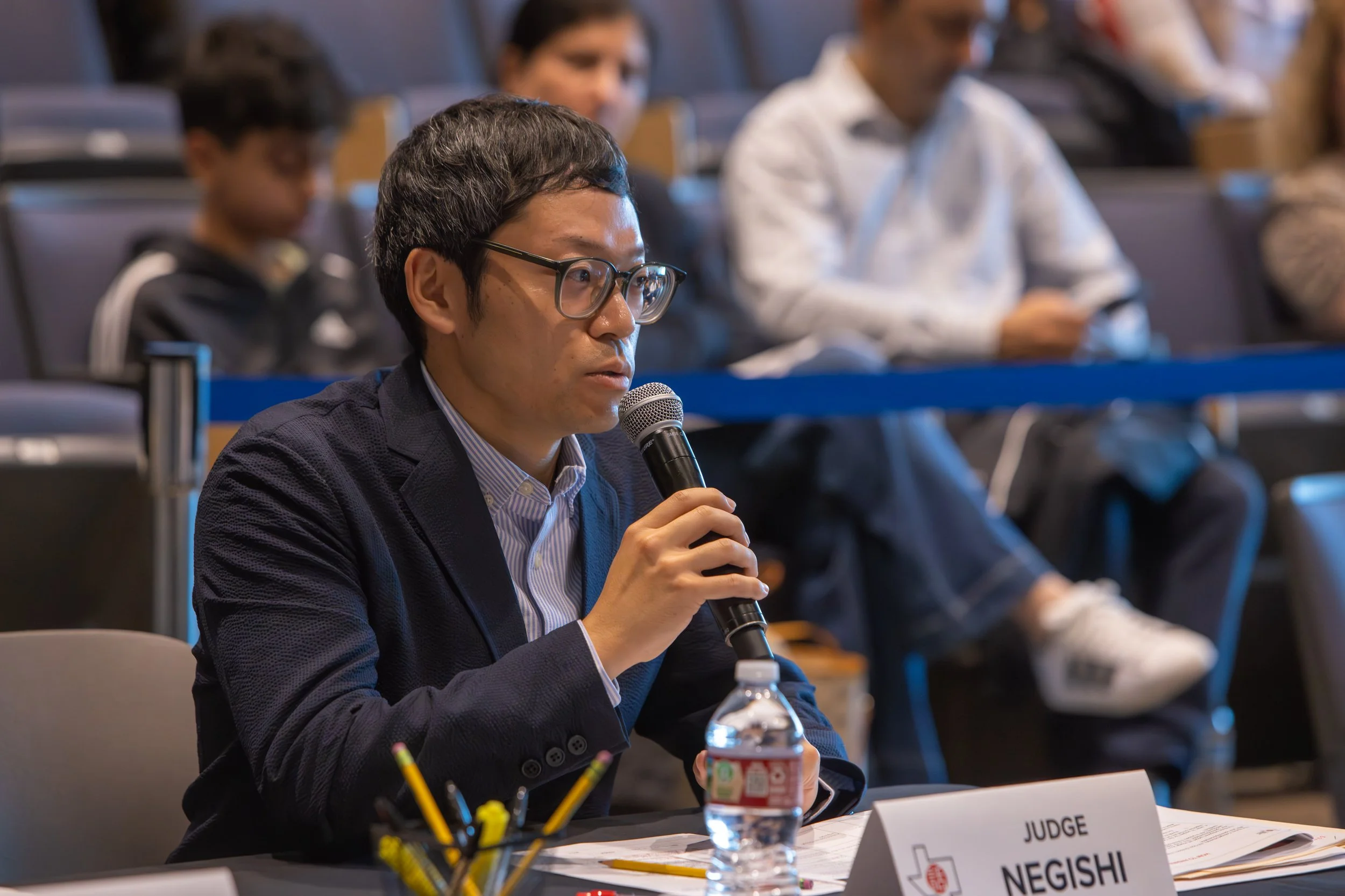
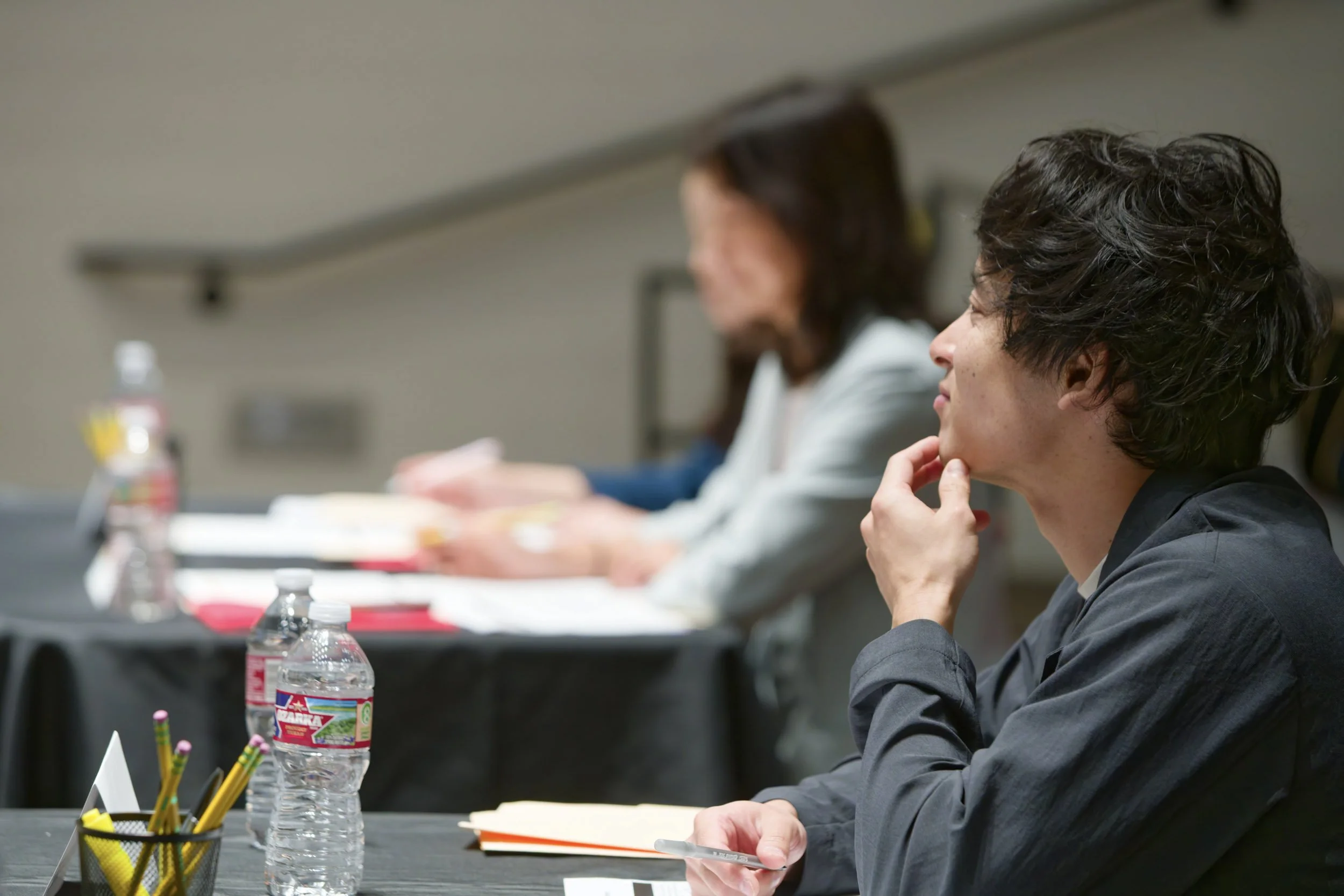
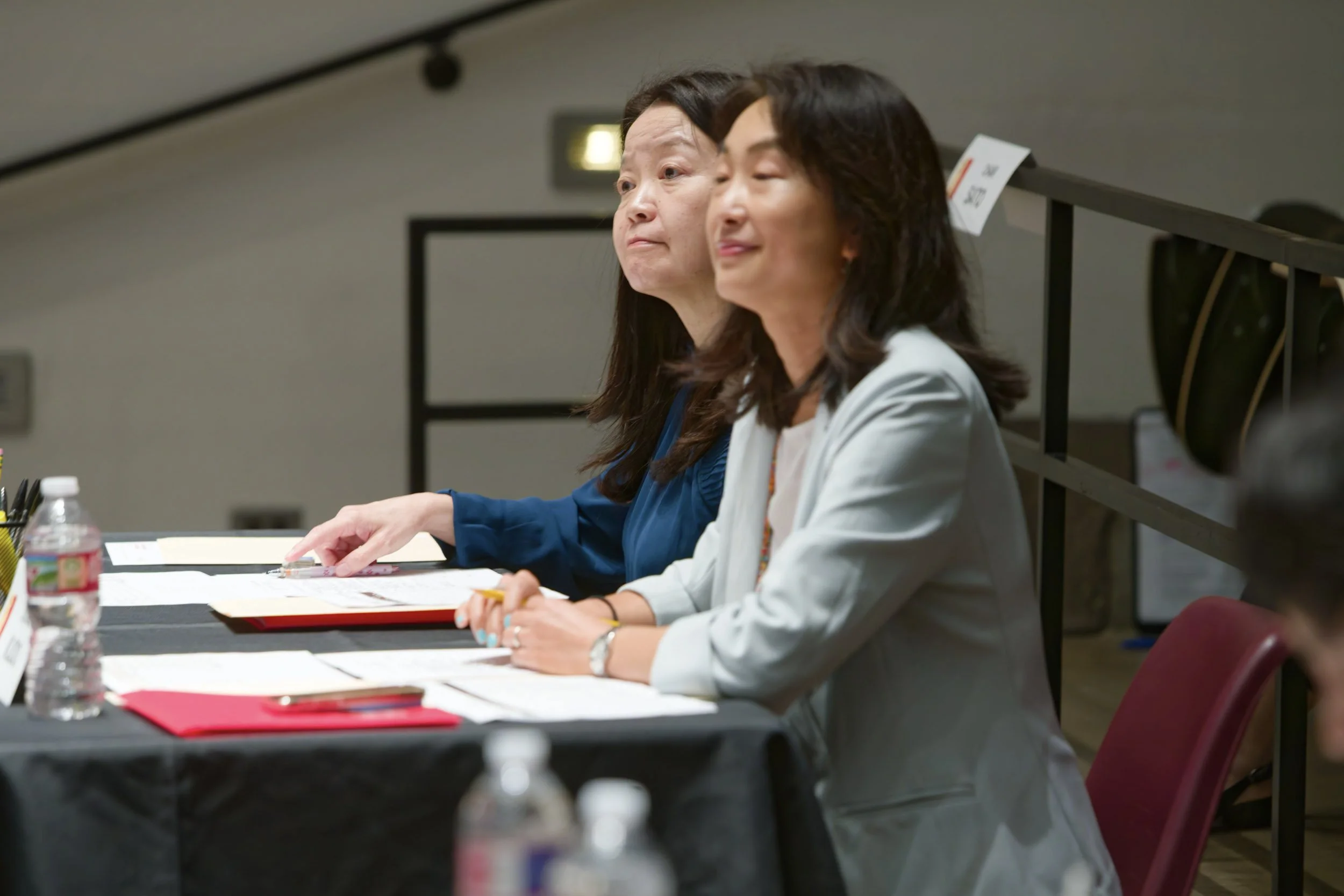
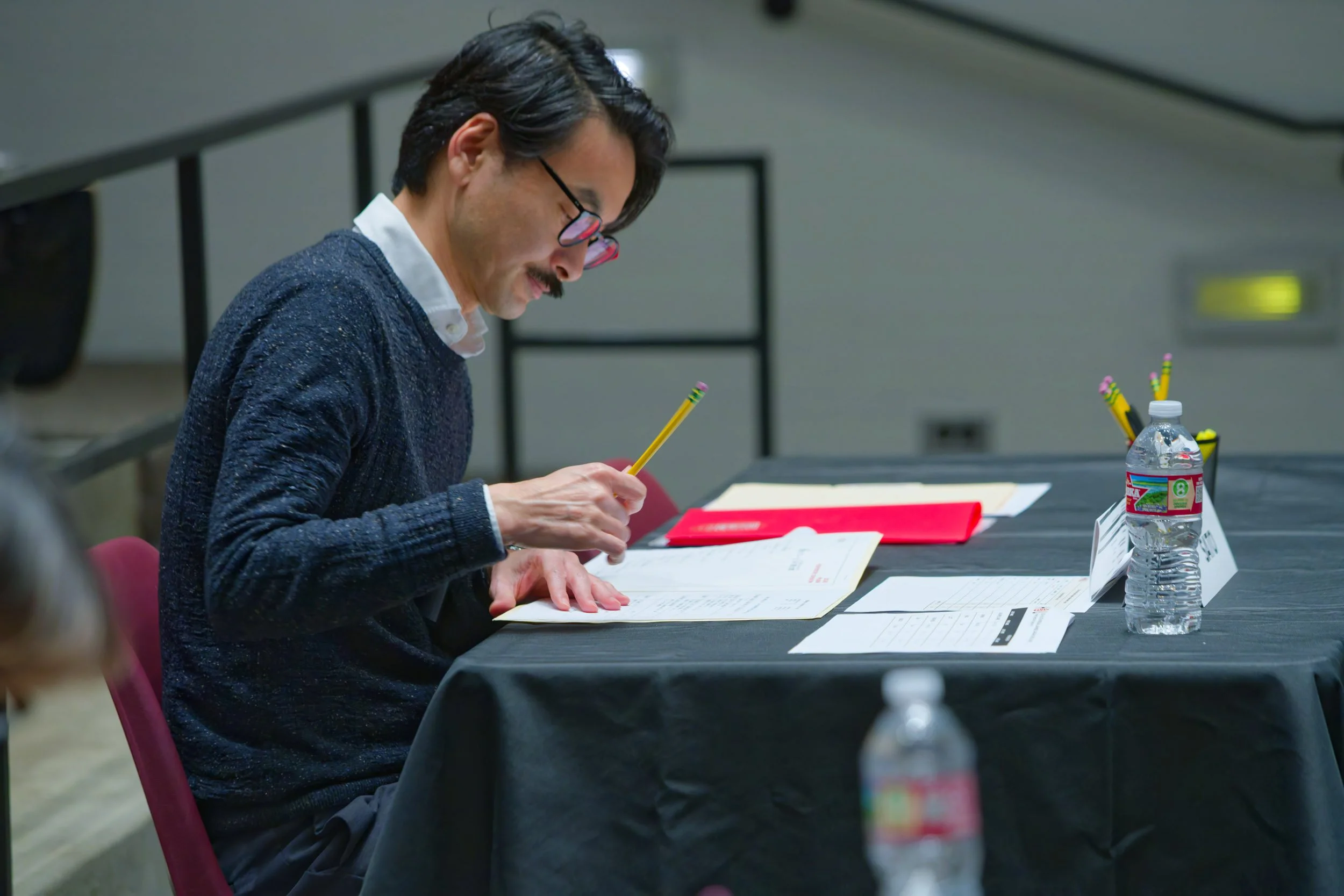
  • Judges representing JASH, the Japanese Teachers Association of Texas, and the Consulate-General of Japan in Houston

  • The dedicated teachers, supportive families, and volunteers who make this annual program possible

Most importantly, we celebrate every student who stepped onto the stage. Presenting in another language before a live audience requires preparation, courage, and determination — and each contestant demonstrated these qualities with distinction.

お疲れ様でした to all participants!
We congratulate you on your hard work and commitment to the study of Japanese.

We look forward to cheering on our Houston representatives at the Texas State Contest next month.


SPECIAL THANKS TO OUR SPONSORS:

SPECIAL THANKS TO OUR SUPPORTERS:


SPECIAL THANKS TO OUR JUDGES:

  • Tomoko INOUE - JTAT

  • Yuko KUDO - Instructor, JASH Japanese Language Program

  • Yuki JOHNSON - Volunteer, JASH

  • Hiroko SATO - Board Member, JASH

  • Hiromi TAKAYAMA - Instructor, Rice University

  • Sho WATANABE - Volunteer, JASH

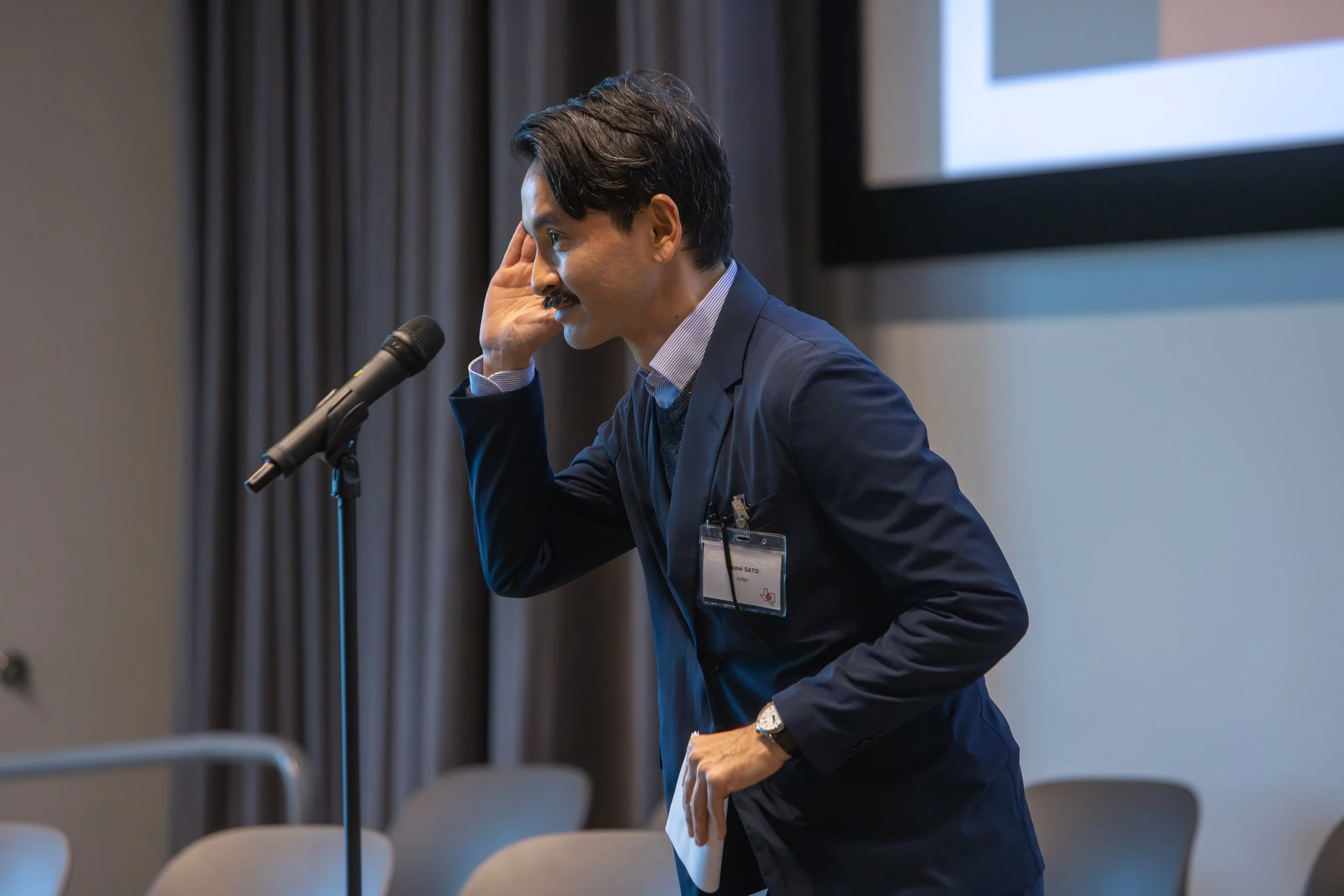
  • Teppei SATO - Consul, Consulate-General of Japan in Houston


SPECIAL THANKS TO ALL PARTICIPATING JAPANESE LANGUAGE TEACHERS IN HOUSTON:

  • Yoshimi SHERIDAN

  • Satoko SHOU

  • Madison STEAKLEY

  • Hiromi TAKAYAMA

  • Yuki WAUGH

  • Mami YOKOTA

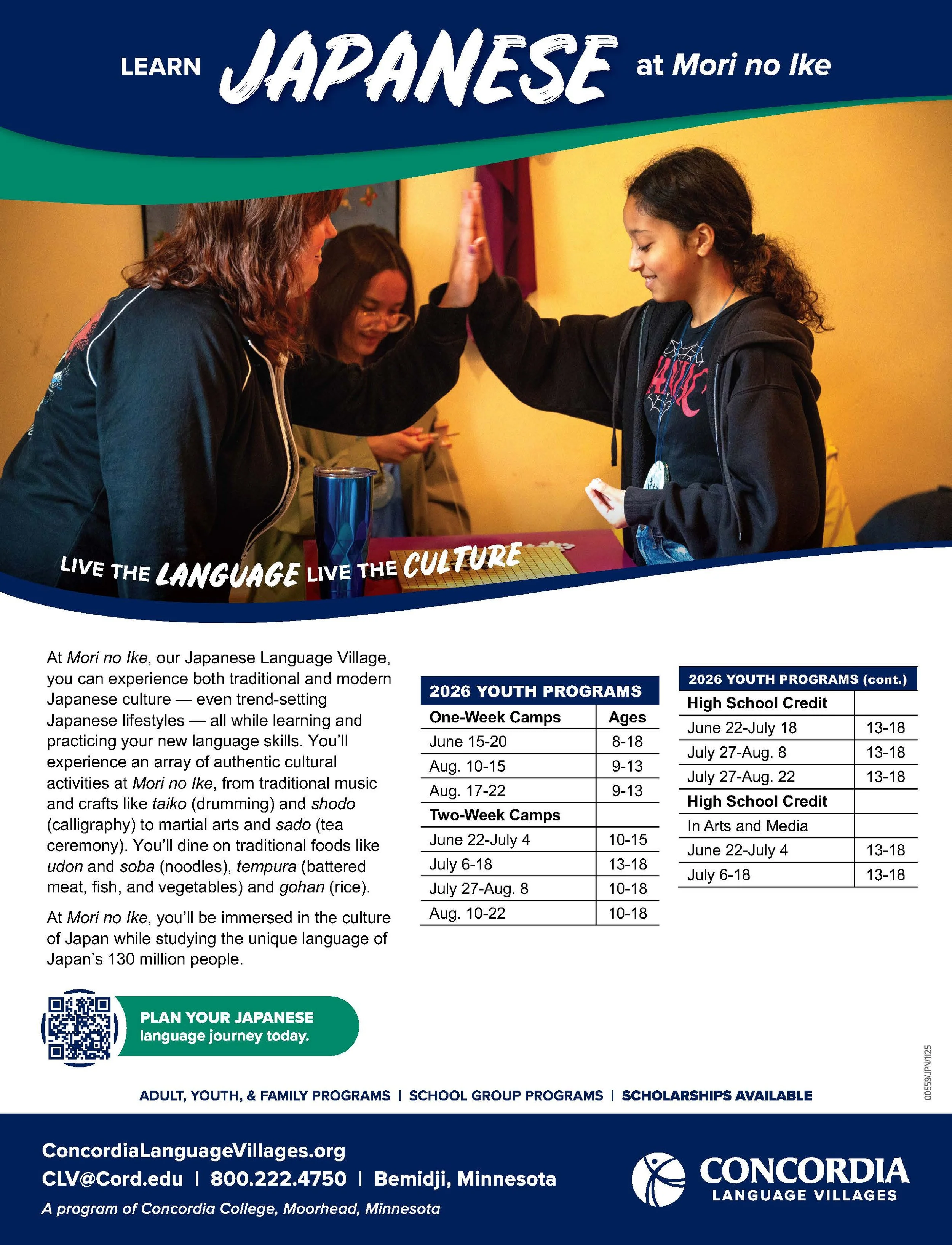
Learn Japanese This Summer at Mori no Ike

Immerse yourself in Japanese this summer at Mori no Ike, the Japanese Language Village. Nestled deep in Minnesota’s North Woods, the Villages are welcoming, supportive communities where anyone—regardless of proficiency—can benefit from the language immersion experience.

Scholarships are available, and now is the best time to apply!

To learn more about summer camp programming, join Concordia Language Villages for a virtual Mori no Ike information session on February 25th at 5:30 p.m Click the link below to register. Additional sessions on summer programming in general are being held biweekly between now and May.


About Mori no Ike

At Mori no Ike 森の池, you can experience both traditional and modern Japanese culture—even trend-setting Japanese lifestyles—all while learning and practicing your new language skills. You’ll experience an array of authentic cultural activities at Mori no Ike, from traditional music and crafts like taiko (drumming) and shodo (calligraphy) to martial arts and sado (tea ceremony). You’ll dine on traditional foods like udon and soba (noodles), tempura (battered meat, fish and vegetables) and gohan (rice). At Mori no Ike, you’ll be immersed in the culture of Japan while studying the unique language of Japan’s 130 million people.


About Concordia Language Village

Concordia Language Villages is a recognized leader in global education, offering language and cultural programs in 14 languages. Every year, Concordia Language Villages engages thousands of youth, educators and adults from across the United States in language and cultural learning. Our world-class immersion camp settings in the North Woods of Minnesota provide unique environments in which youth and adults at all levels of language proficiency can truly live the language.

Kinoshita Kabuki Brings a Timeless Masterpiece to Houston

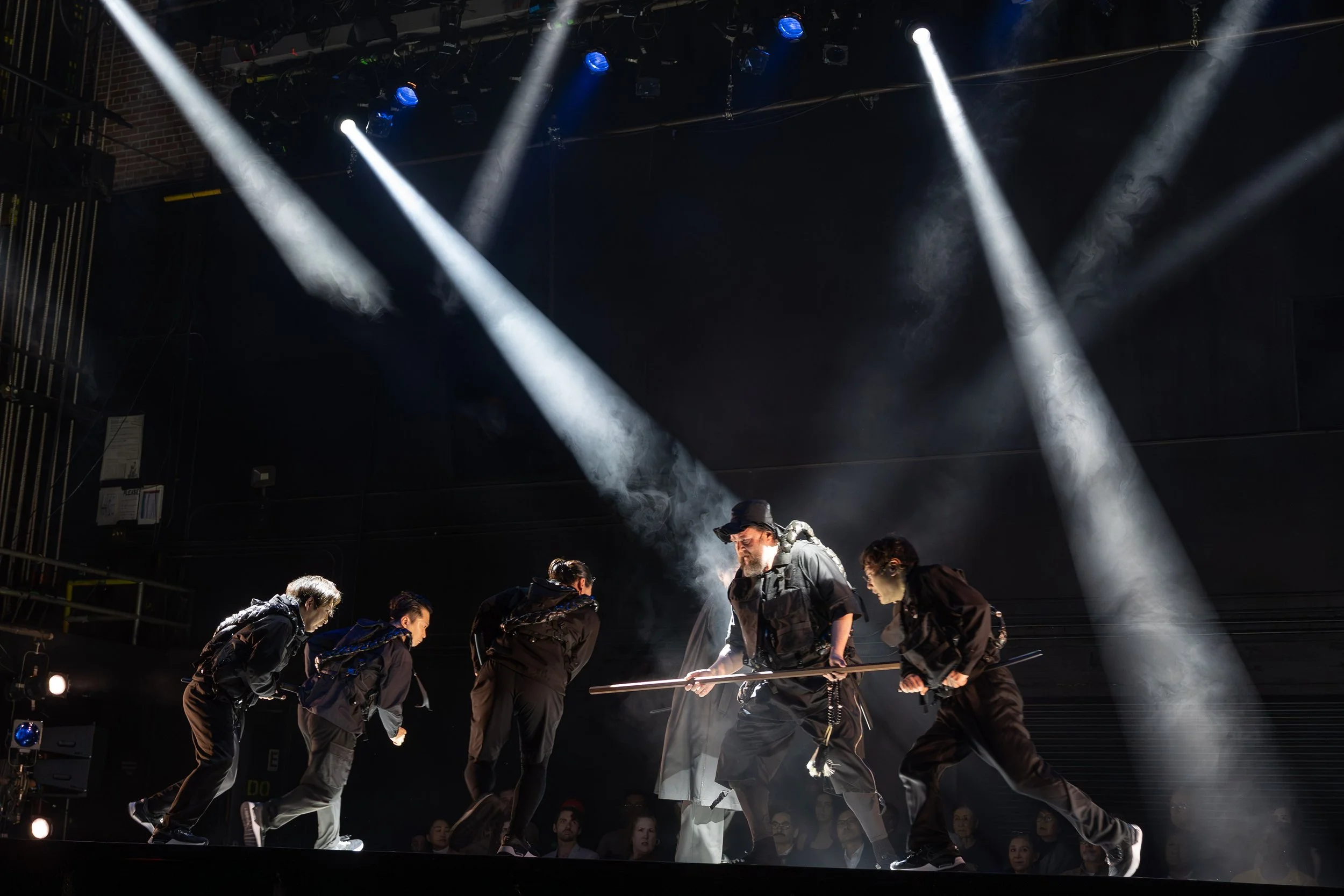
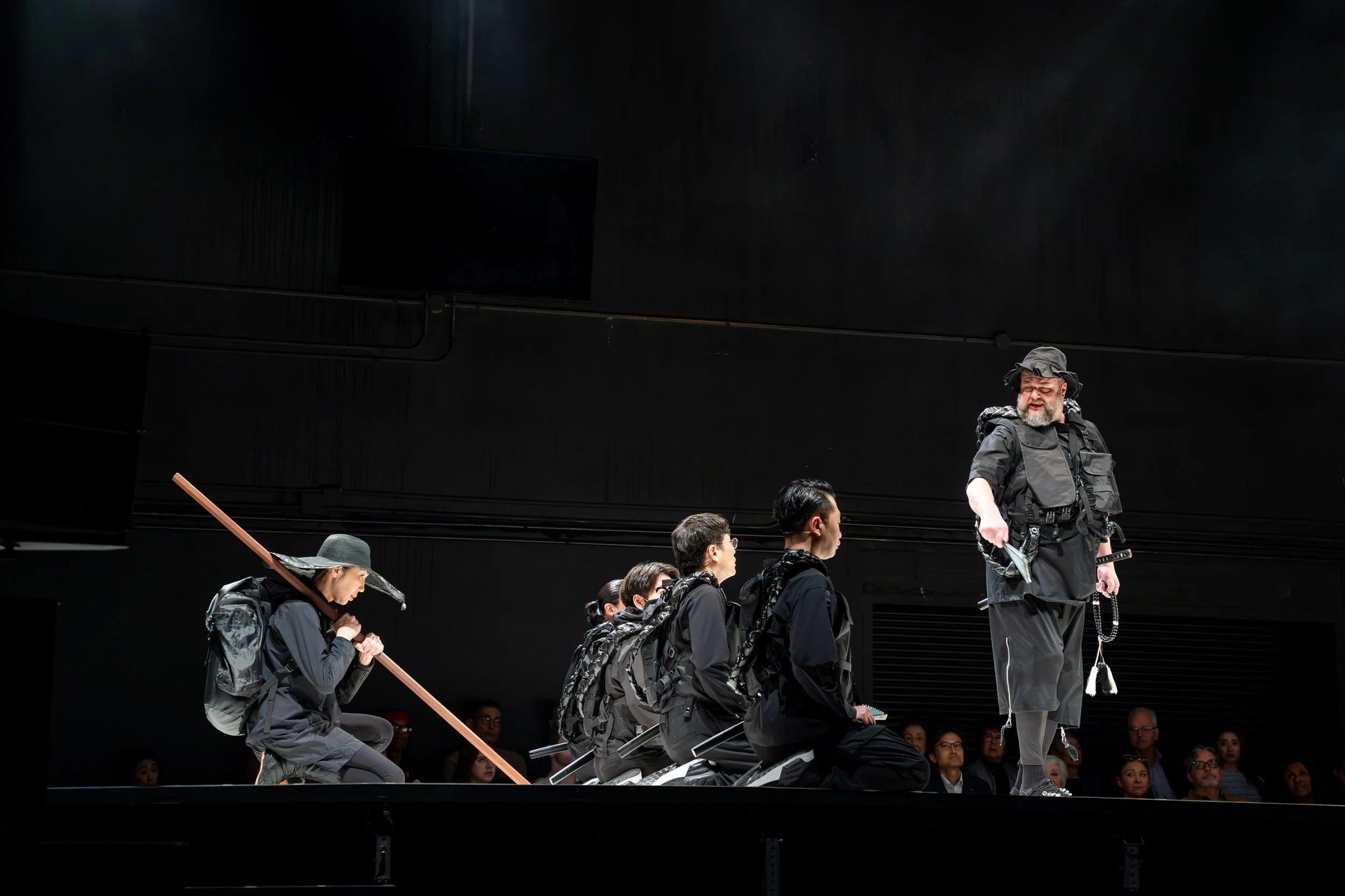
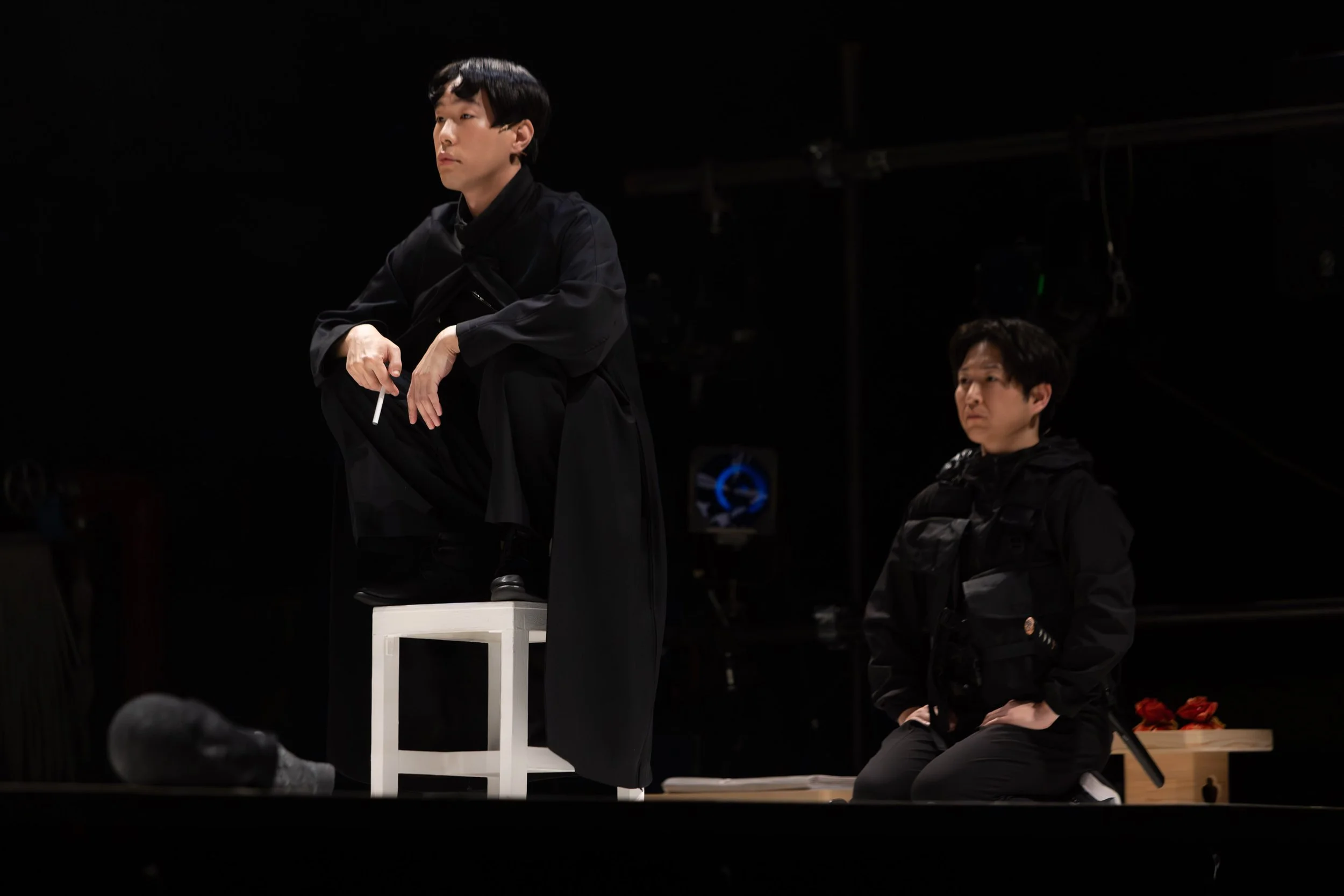
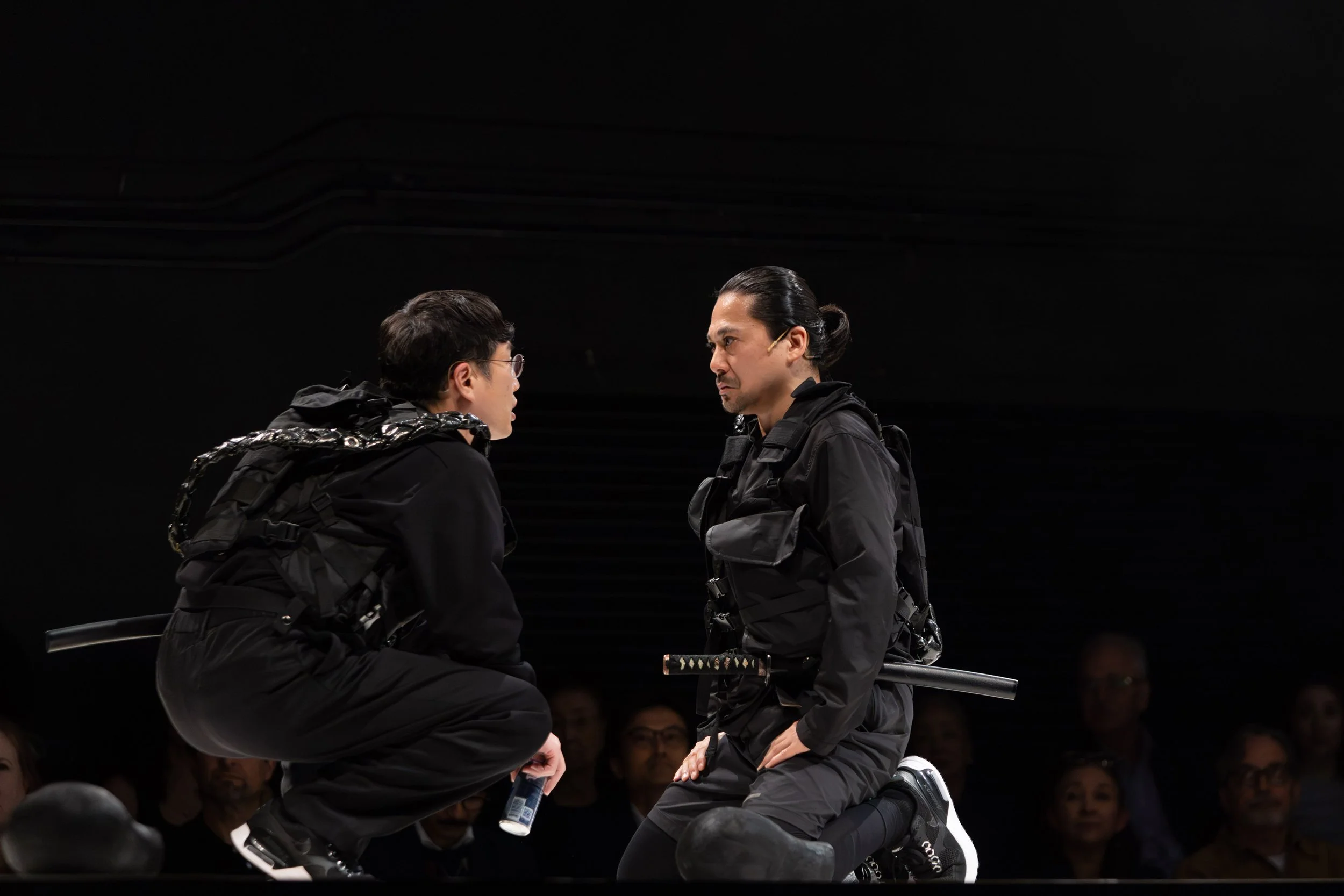
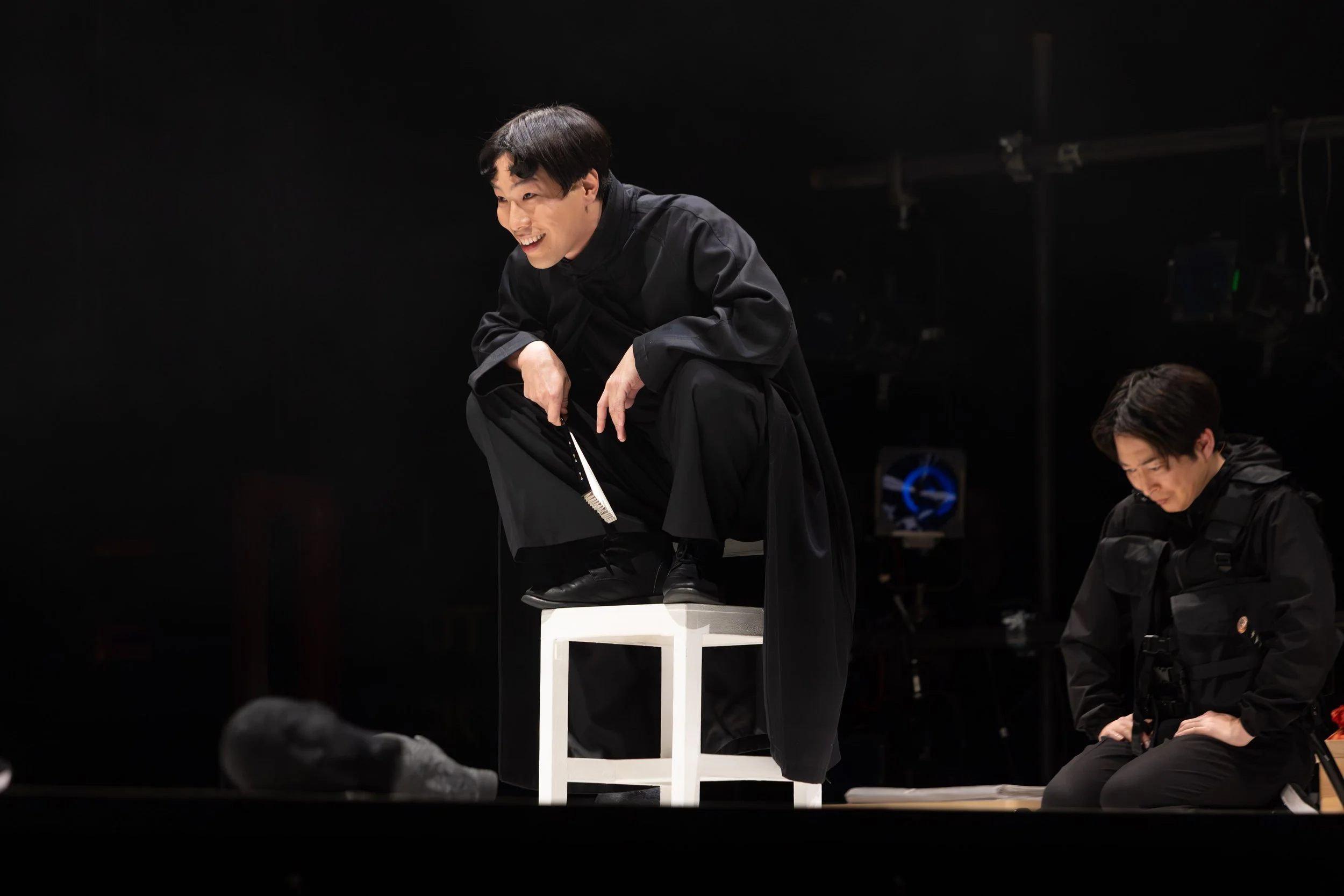
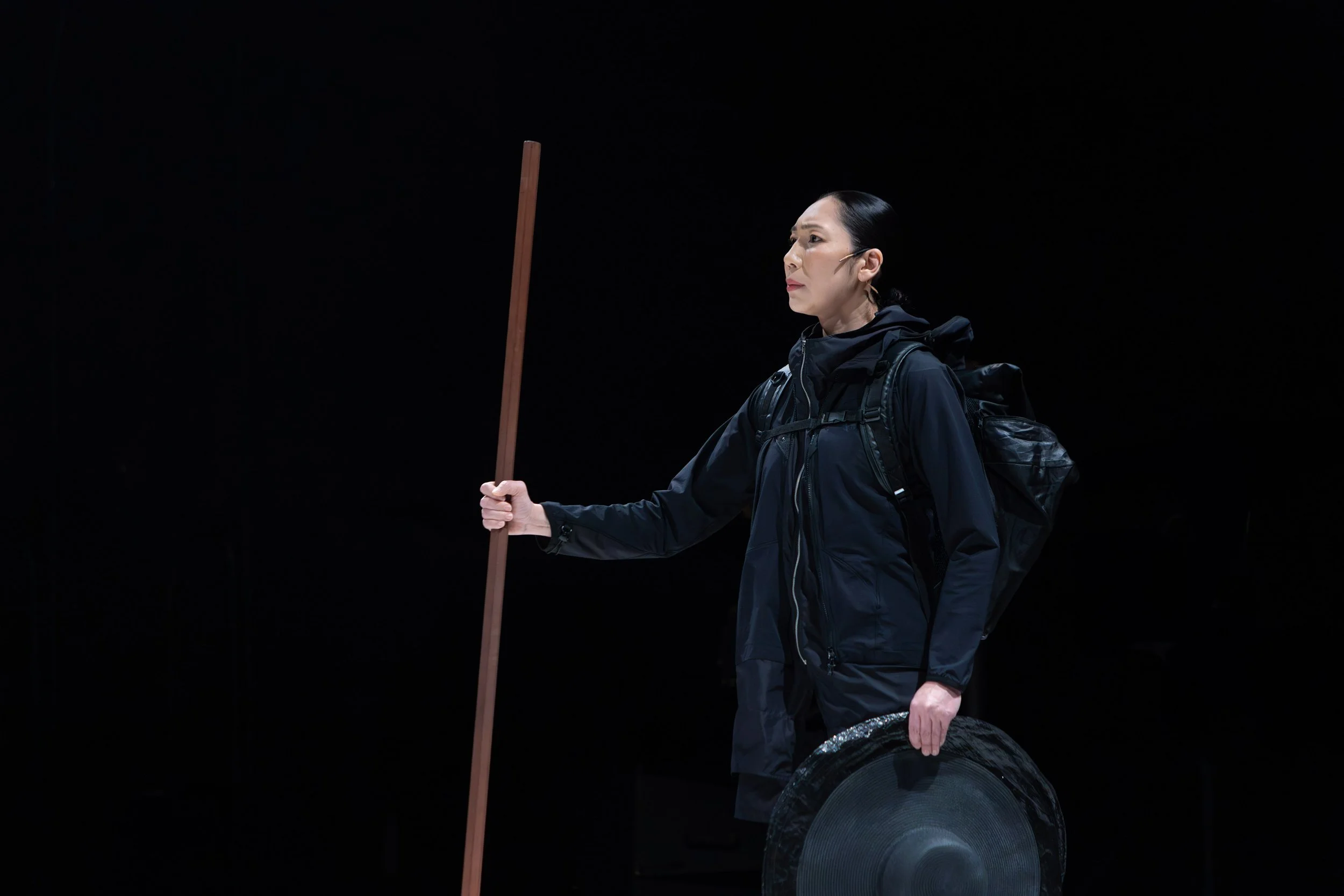
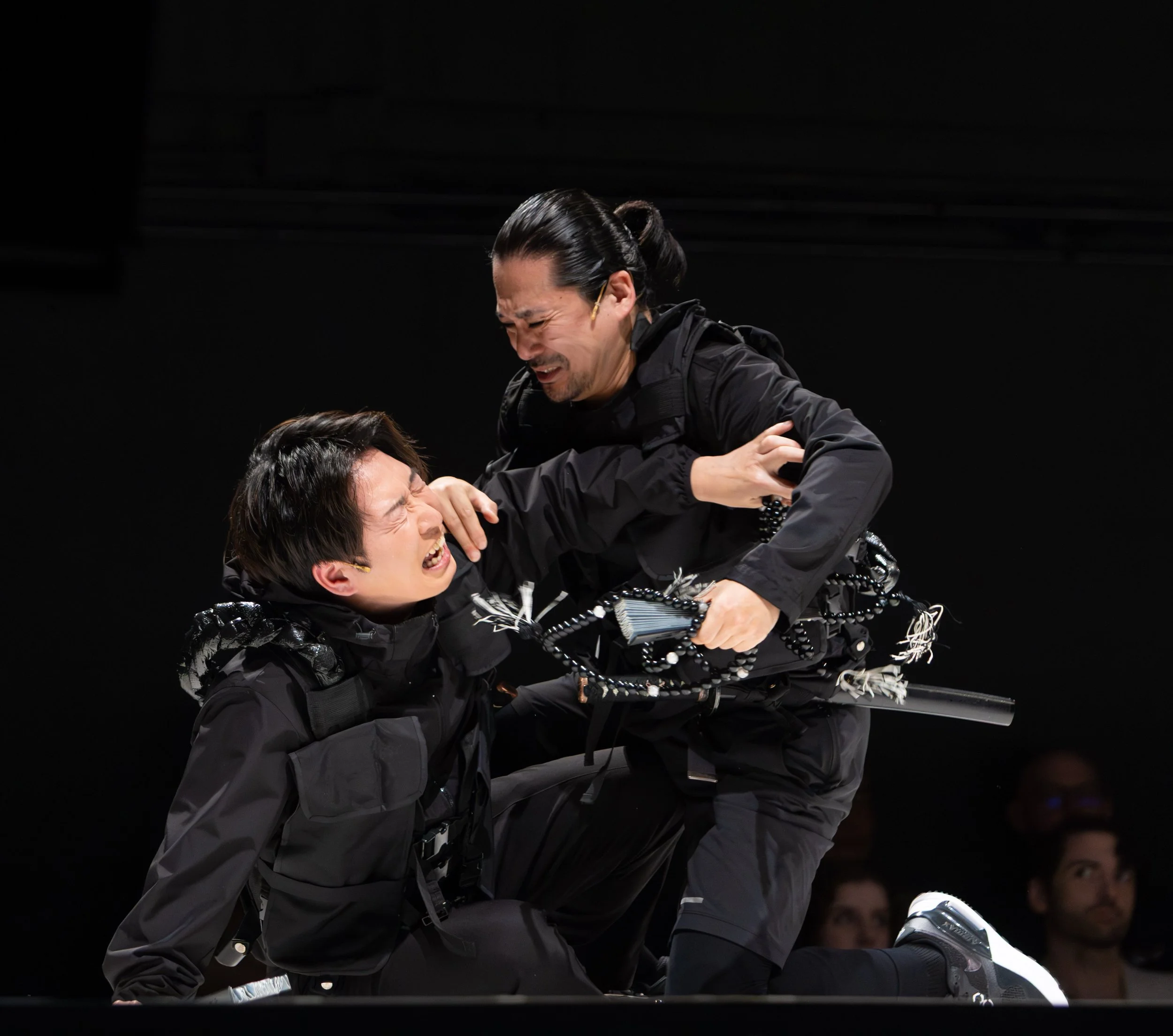
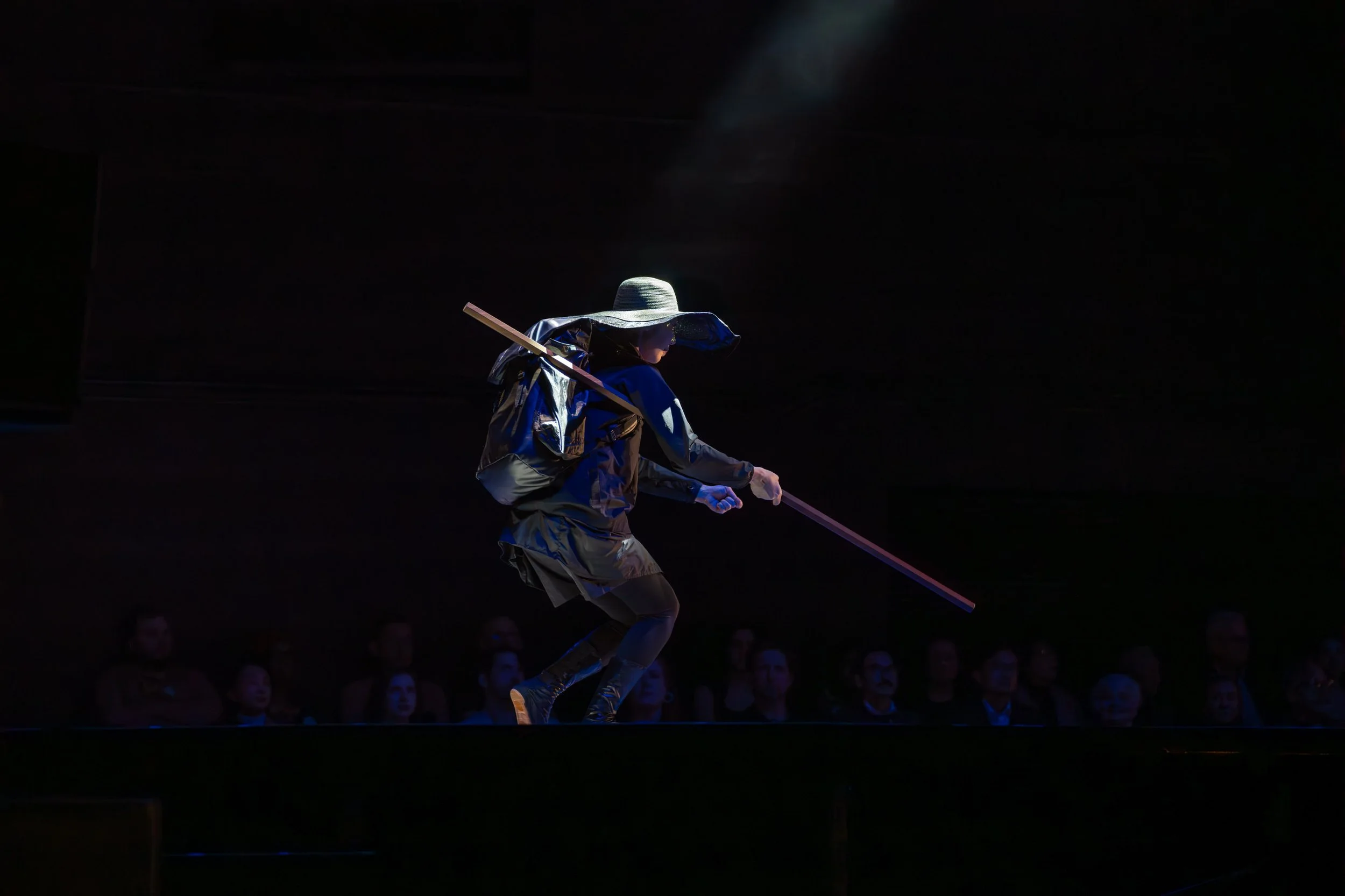
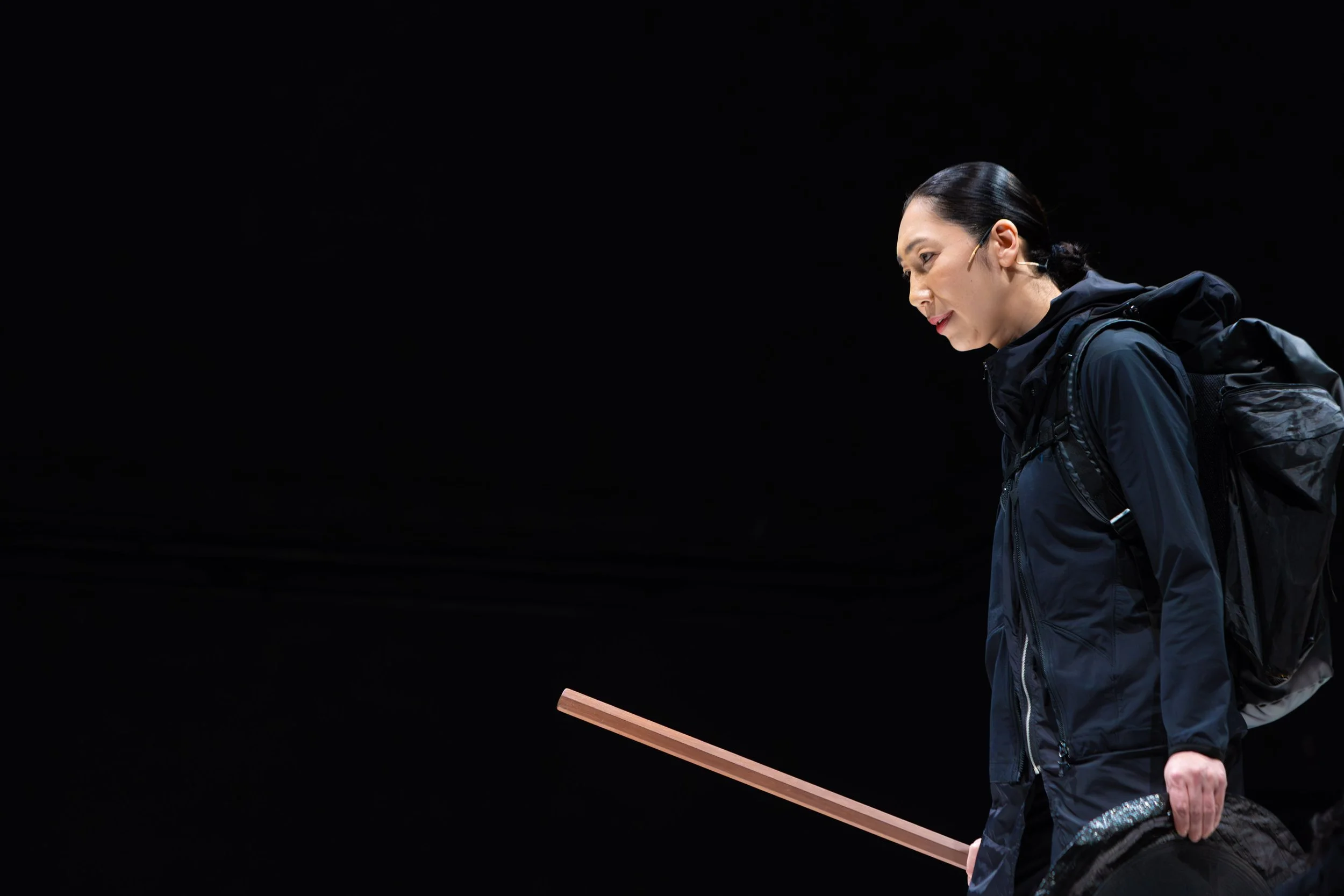
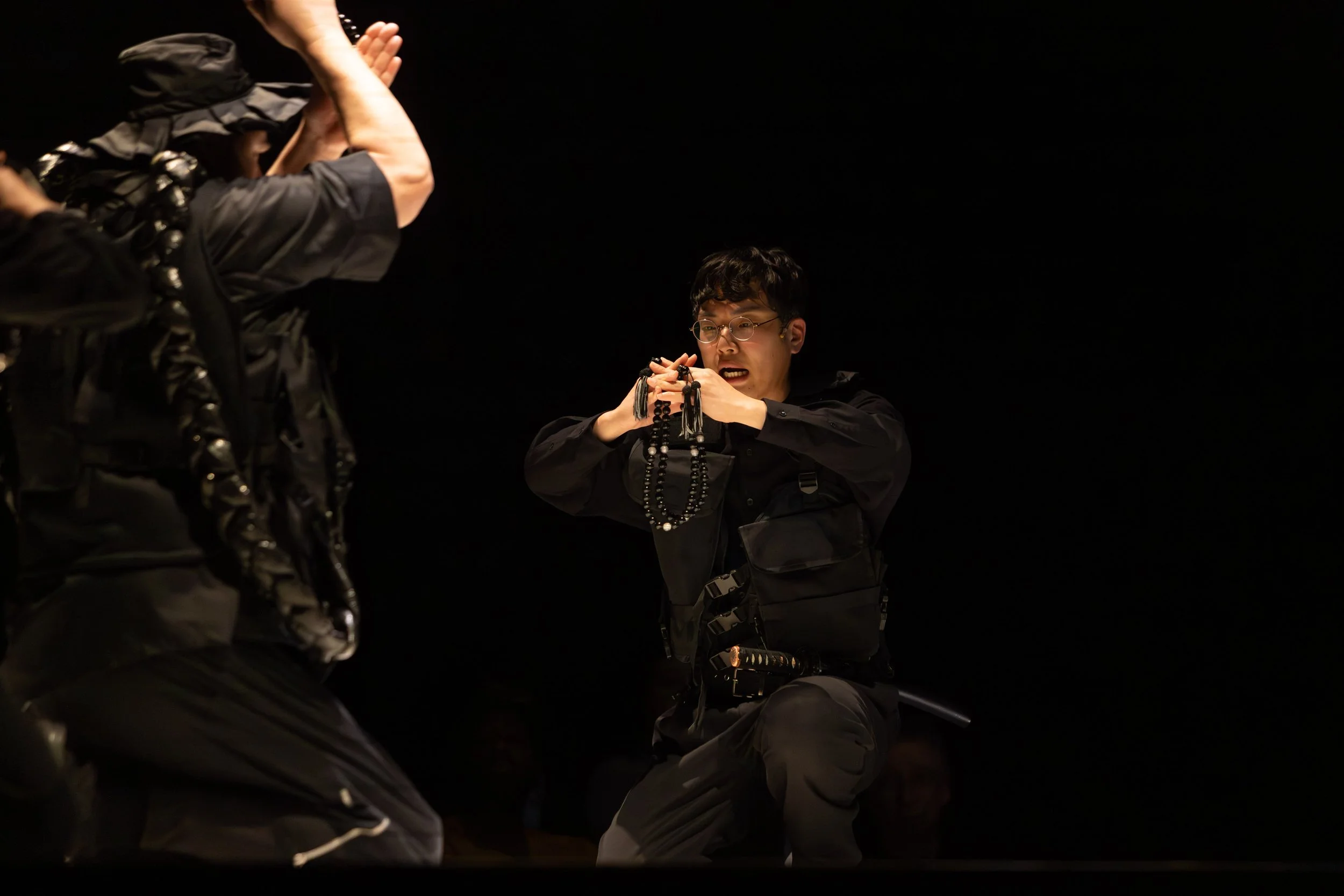
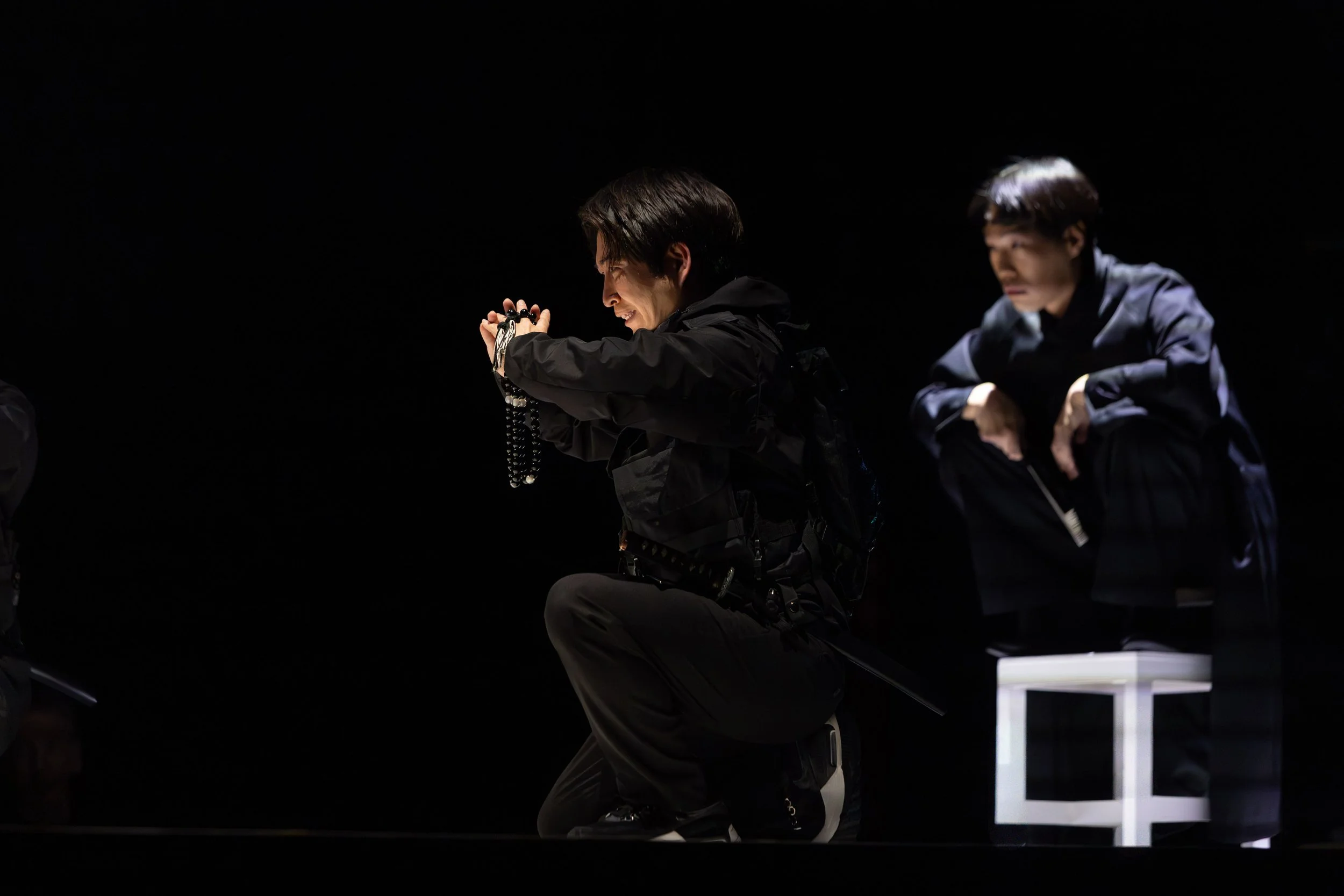
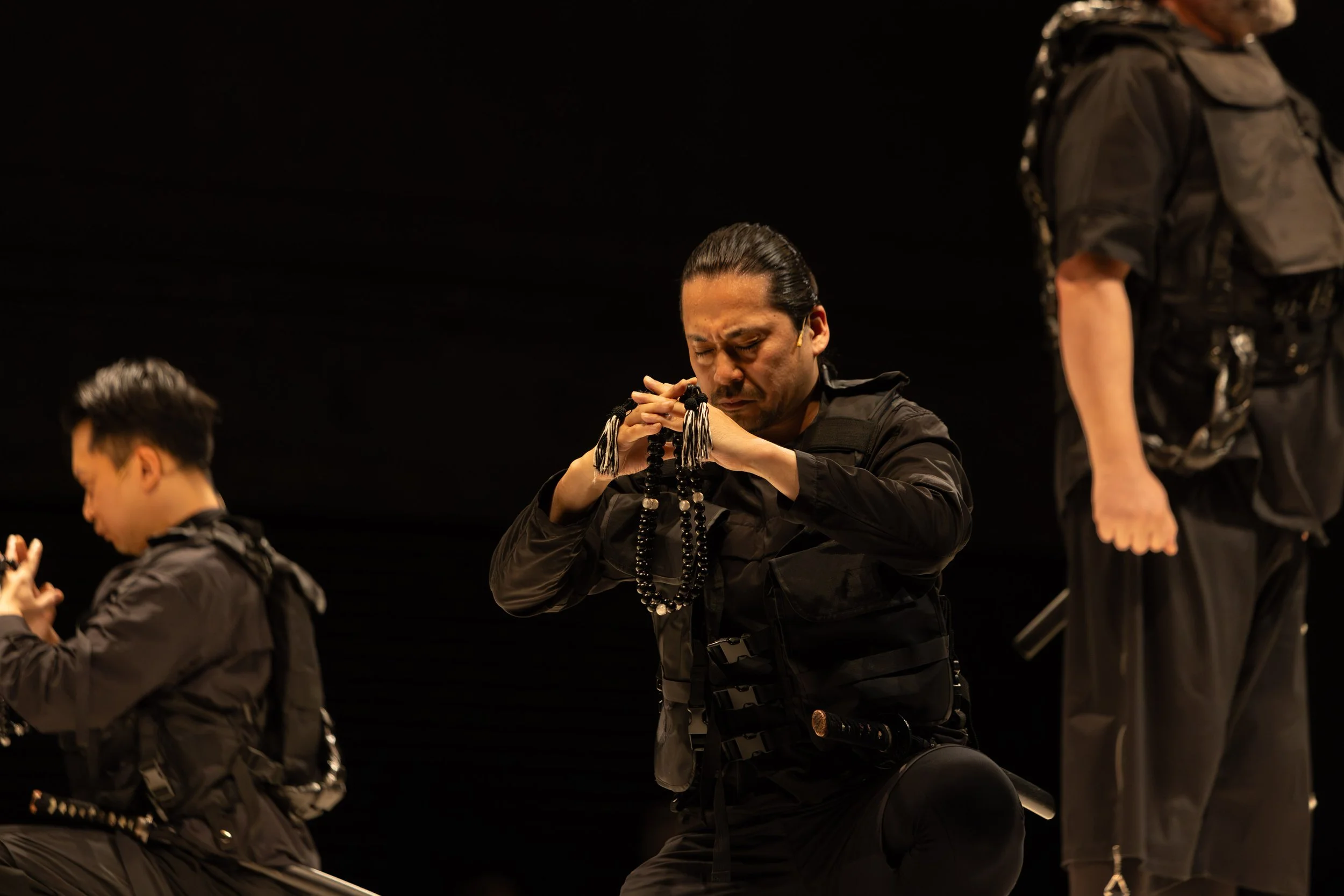
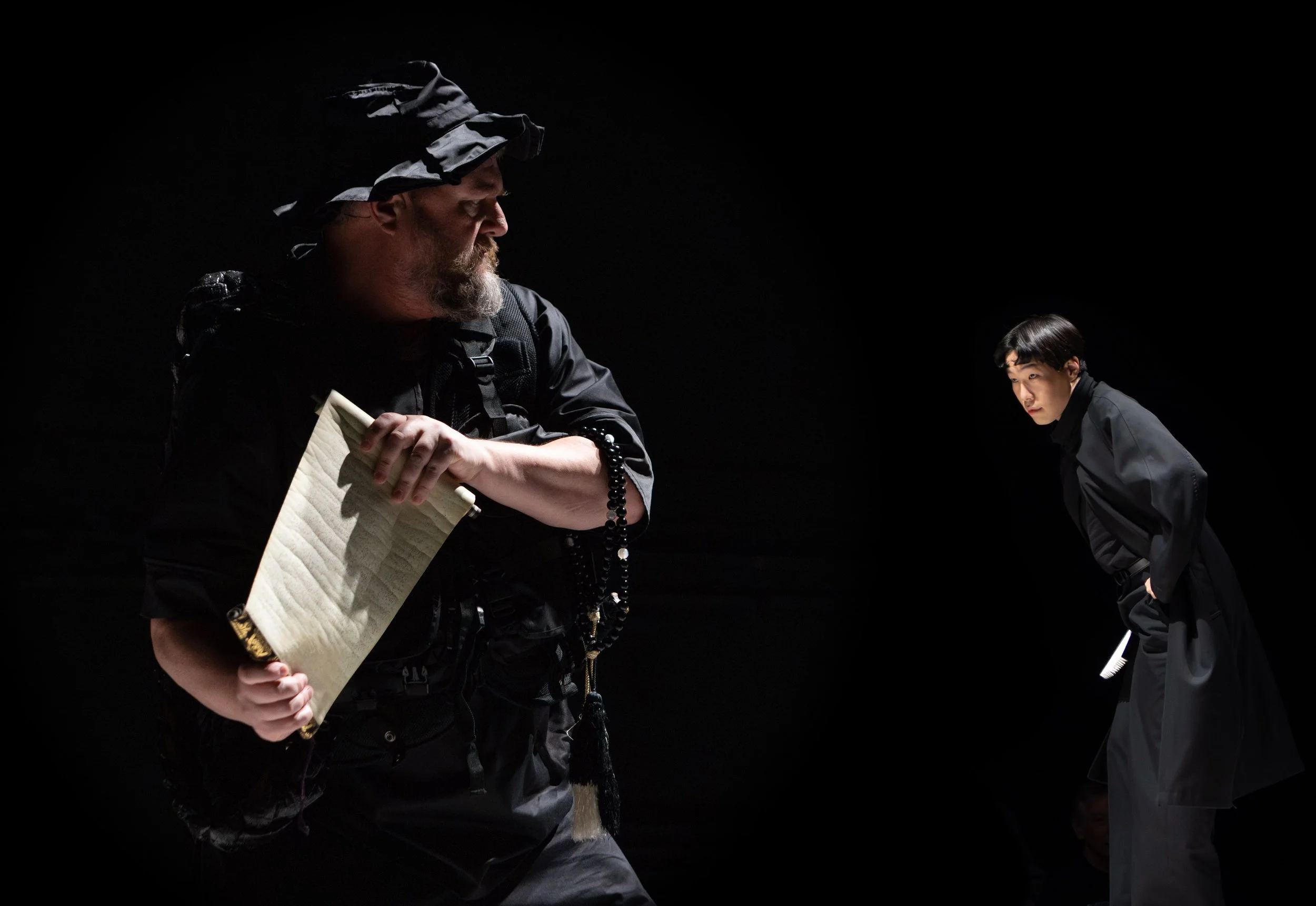
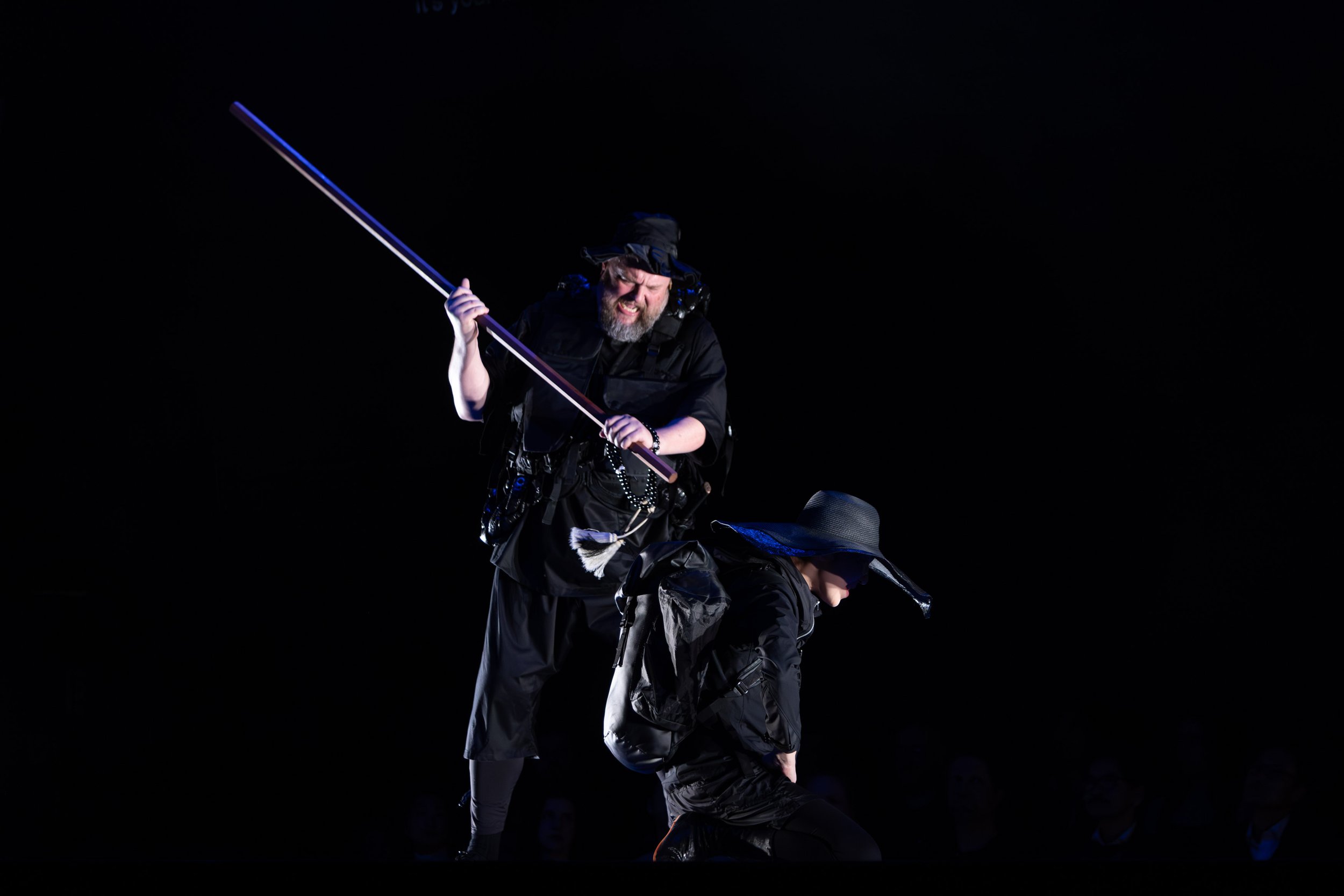
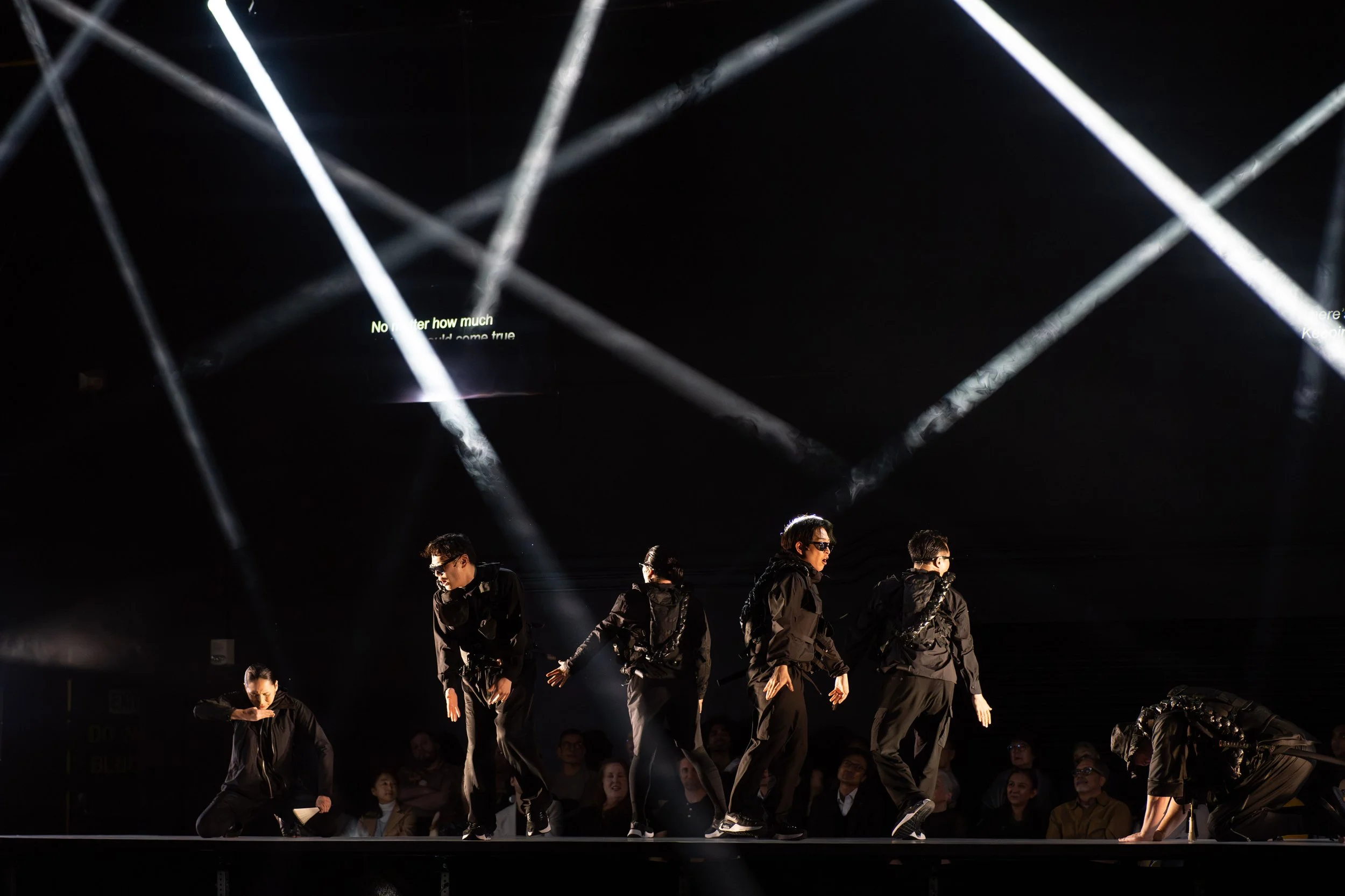
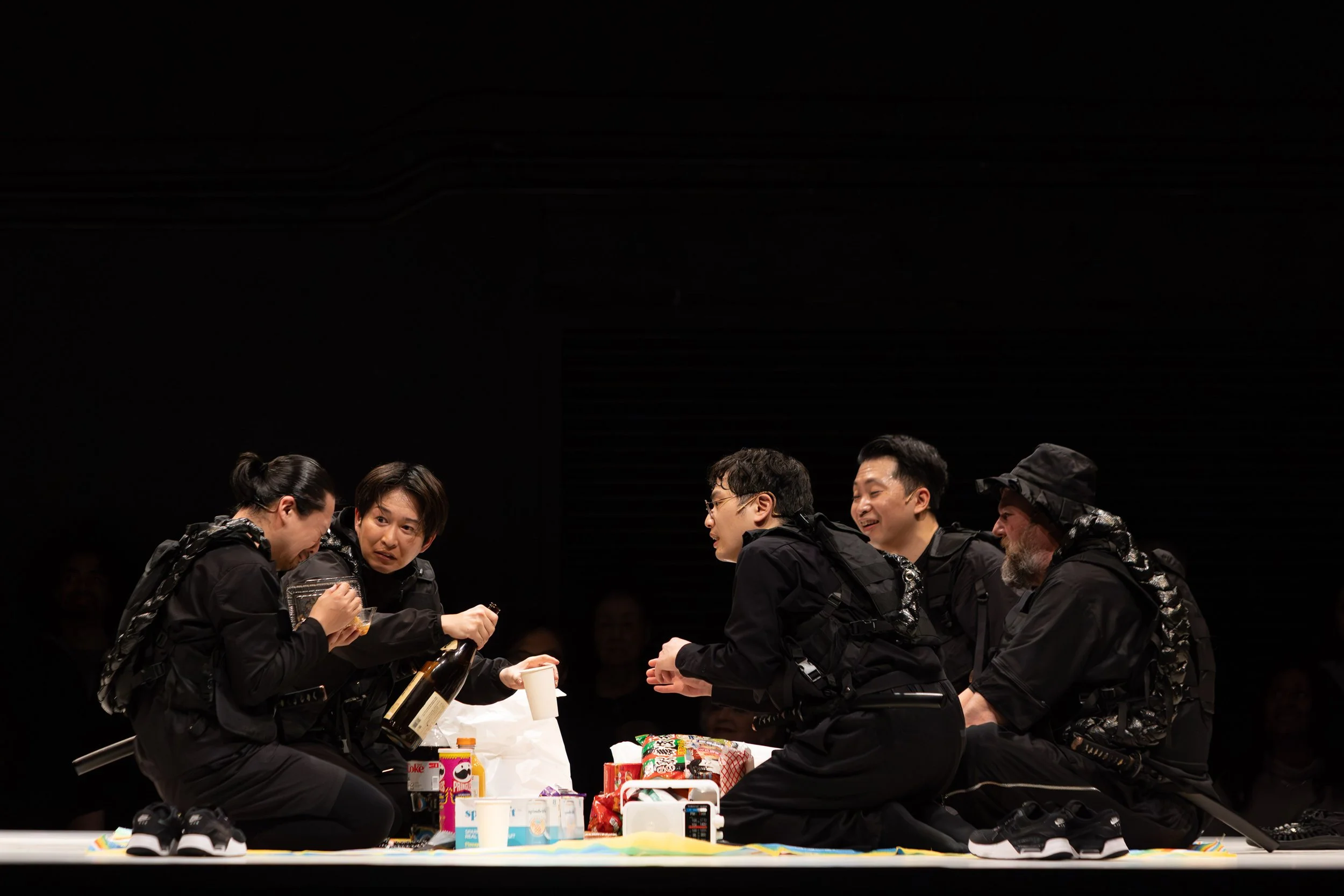
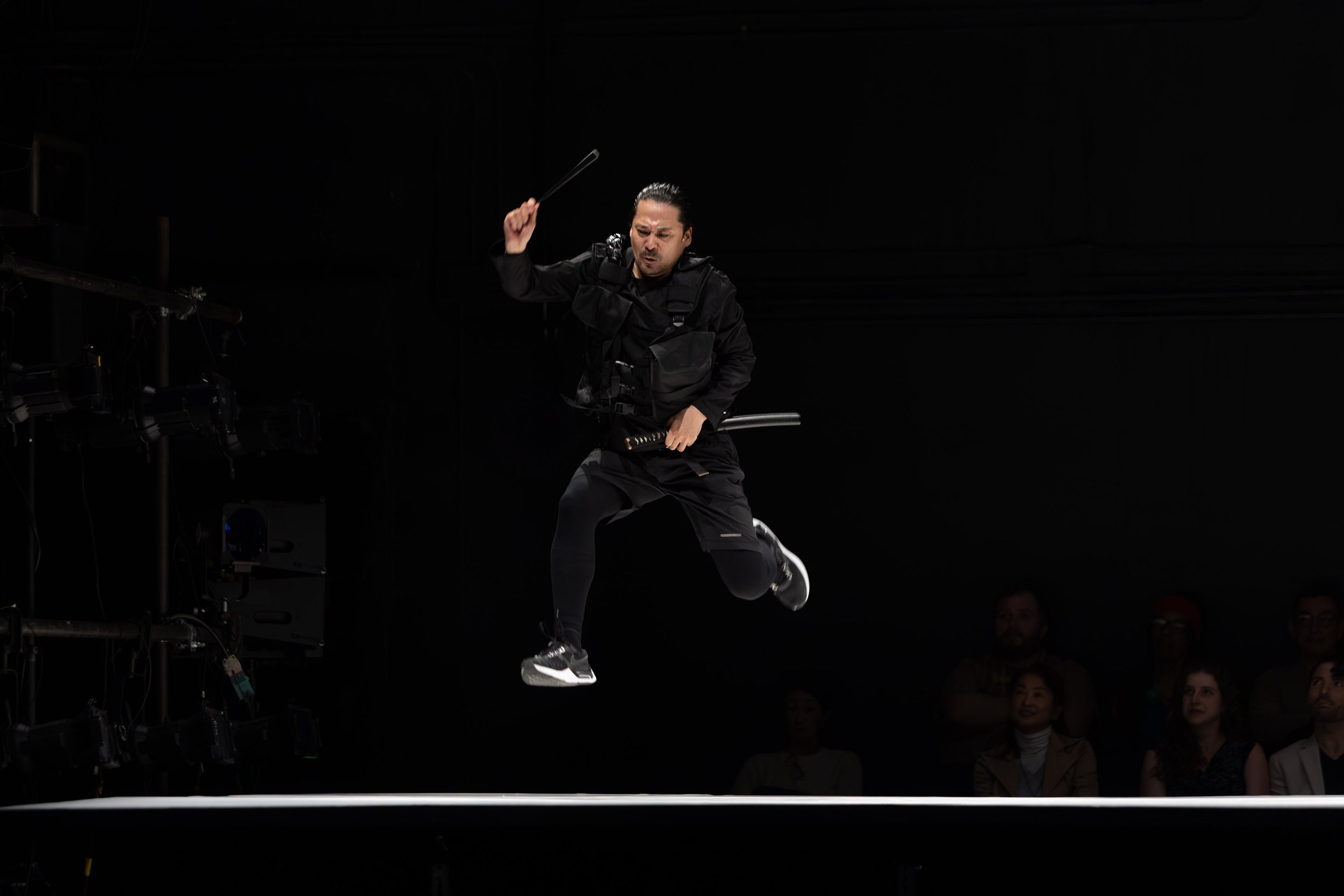
On January 21, 2026, the Japan-America Society of Houston (JASH) was honored to present Kinoshita Kabuki: Kanjinchō at Cullen Performance Halls part of the troupe’s North American debut tour, offering Houston audiences a rare opportunity to experience one of Japan’s most revered classical performing arts traditions at a historic moment in the company’s international journey.

Led by acclaimed dramaturg Yuichi Kinoshita, the performance centered on Kanjinchō, a cornerstone of the kabuki repertoire. The story tells the legendary story of the warrior-monk Benkei and his loyal lord Minamoto no Yoshitsune, weaving together themes of loyalty, sacrifice, wit, and honor. Though centuries old, the narrative resonated powerfully with contemporary audiences through its emotional intensity and moral clarity.

The performance was met with enthusiastic and thoughtful praise from the audience, including faculty members of the University of Houston School of Theatre & Dance, many of whom attended with their students. One professor reflected, “Attending Kanjinchō last night was an inspiring and rejuvenating experience, made even better by the opportunity to see some of my students get thoroughly ignited by the production.” Another shared simply, “We were deeply moved and inspired!”

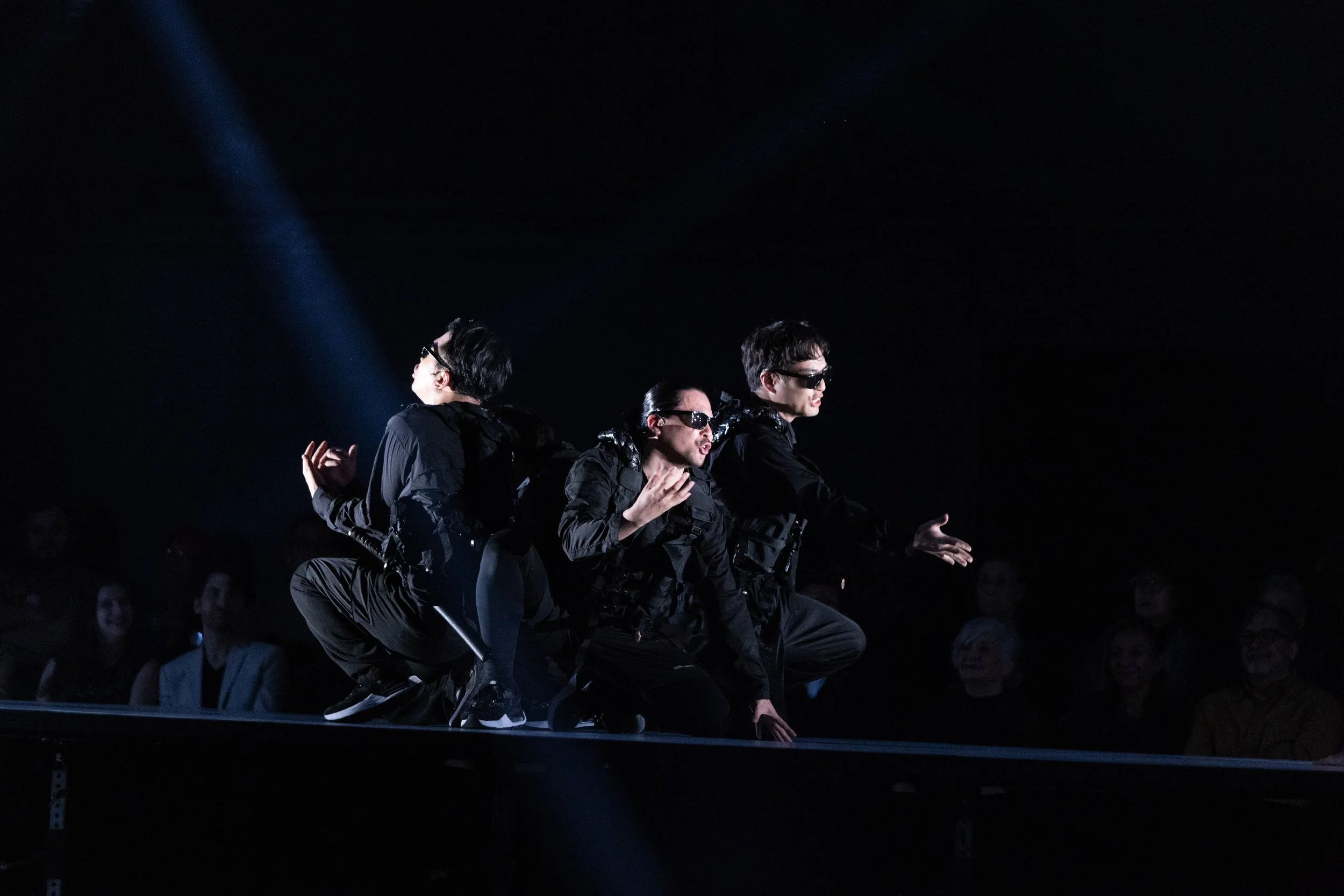
Kinoshita Kabuki is internationally recognized for making classical kabuki accessible to contemporary and global audiences without compromising its artistic integrity. The Houston performance exemplified this balance—combining traditional movement, vocal stylization, and dramatic structure with inventive theatrical elements that surprised and delighted even seasoned theatre professionals. As one audience member noted, “I absolutely love Kabuki and was honored to be there. The flow of the performance was mesmerizing. The ensemble work was refreshing to watch. There were so many moments that moved me emotionally. I must admit I was not prepared for the rap—it was sheer genius and greatly appreciated.”

The artistry and physical rigor of the performers left a lasting impression well beyond the final curtain. Another UH faculty reflected the following morning, “Images are still replaying in my mind—the gestures of putting on the hat, dropping the fan, the slow traveling motifs, the sheer physicality of playing two groups of characters by running from one end of the stage to the other.”

Particular praise was given to the development and depth of the principal characters. “I am particularly struck by the development of the main characters, played by Noemi Takayama and Ryotaro Sakaguchi,” the professor continued. “Their control, intensity, and complete dedication to their characters were mesmerizing, even when they were not the focus of the moment. I was honored to watch them.”

The evening underscored JASH’s ongoing commitment to cultural exchange through the arts and education. By presenting world-class Japanese performances in Houston, JASH continues to foster meaningful dialogue between artists, educators, students, and the broader community—strengthening cultural understanding between Japan and the United States.

JASH extends its heartfelt thanks to Kinoshita Kabuki, Cullen Performance Hall, Japan Society, and all partners and supporters who helped make this unforgettable evening possible. Performances like Kanjinchō remind us that traditional arts are not relics of the past, but living expressions—capable of inspiring the next generation of artists and audiences across borders and cultures.


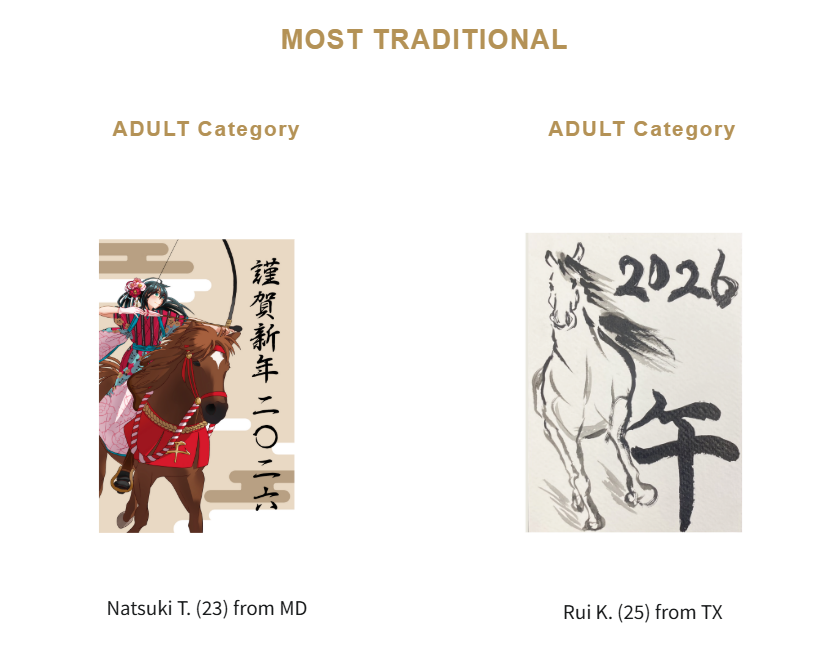
JASH/JOI Nengajo Workshop Participant Wins JICC Nengajo Contest 2026

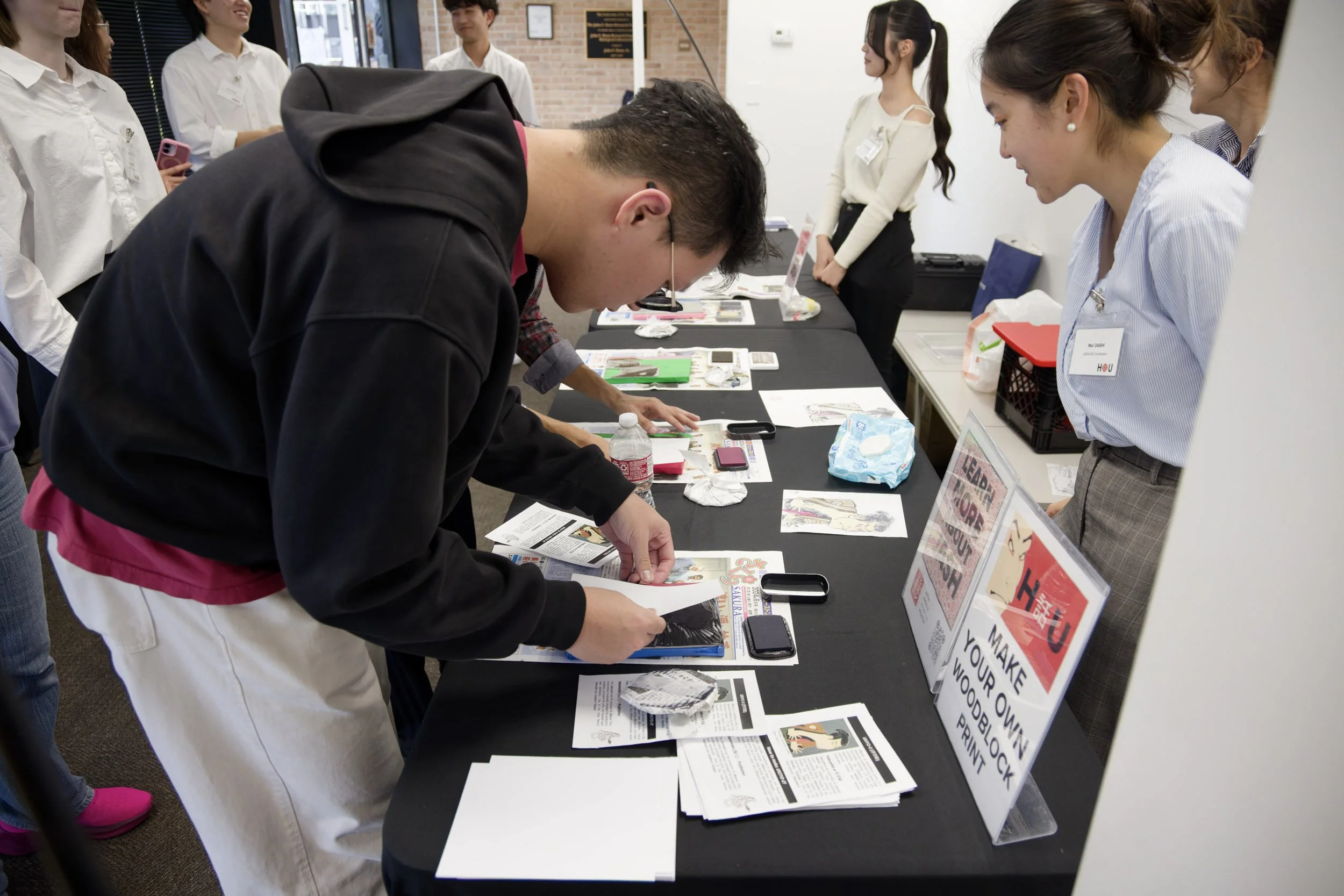
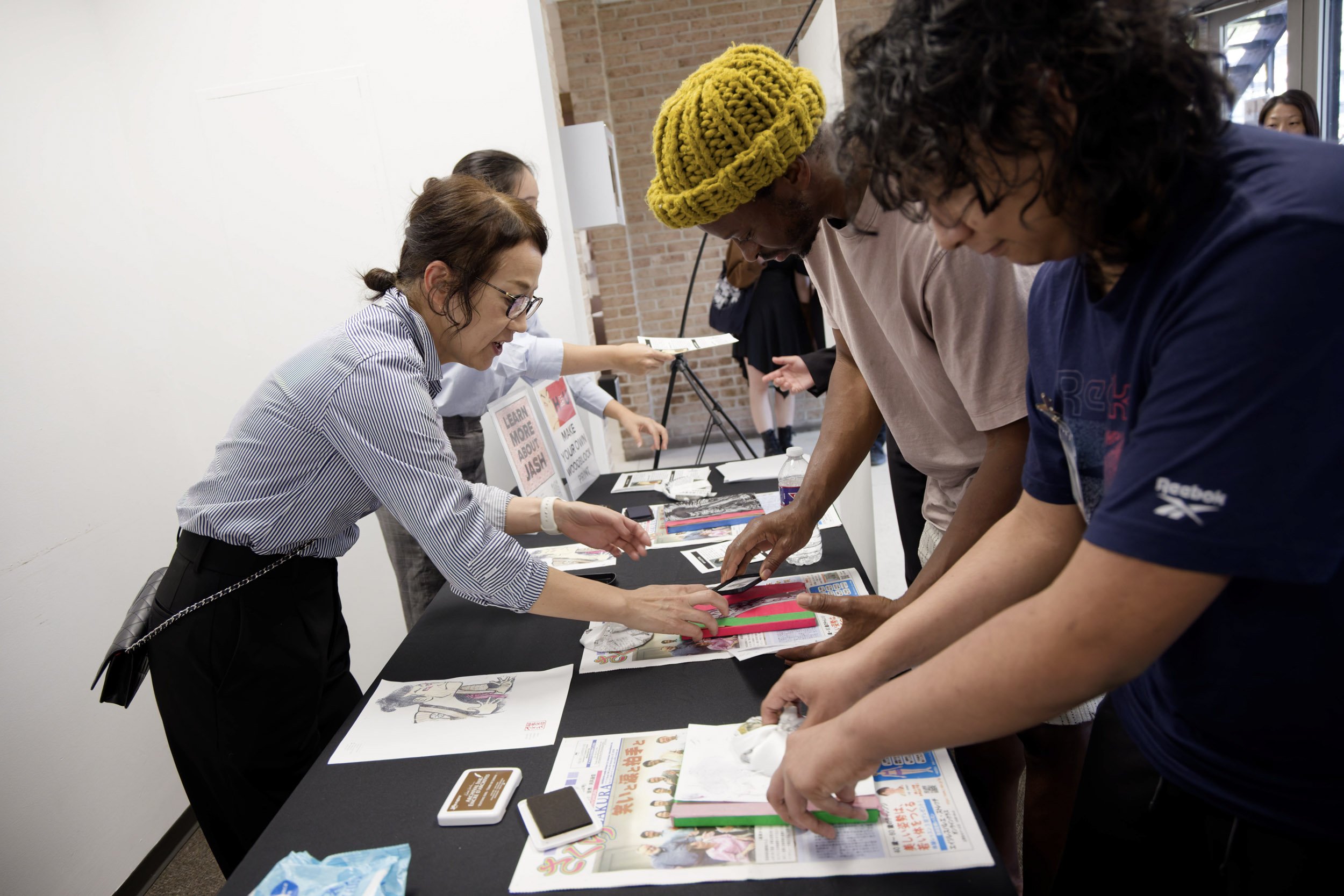
We are proud to announce that a participant in our Nengajo Workshop, which was hosted by JASH JOI Program Coordinator Mai Oashi, has been recognized as a winner in the Most Traditional Adult Category of the JICC Nengajo Contest 2026.

The Japan Information & Culture Center (JICC), Embassy of Japan in Washington, DC, revealed the winners of its 15th Annual Nengajo Contest as part of its New Year celebrations. The contest honors the Japanese tradition of nengajo—New Year’s greeting postcards that are customarily delivered on January 1 to mark fresh beginnings and express gratitude.

Held from October 20 through December 17, 2025, this year’s contest attracted over 400 nengajo submissions from participants around the world. Entries were reviewed and voted on by local staff and diplomats from the Embassy of Japan. Rui’s work stood out for its exceptional craftsmanship and faithfulness to traditional nengajo aesthetics, earning top recognition in the Most Traditional Adult category.

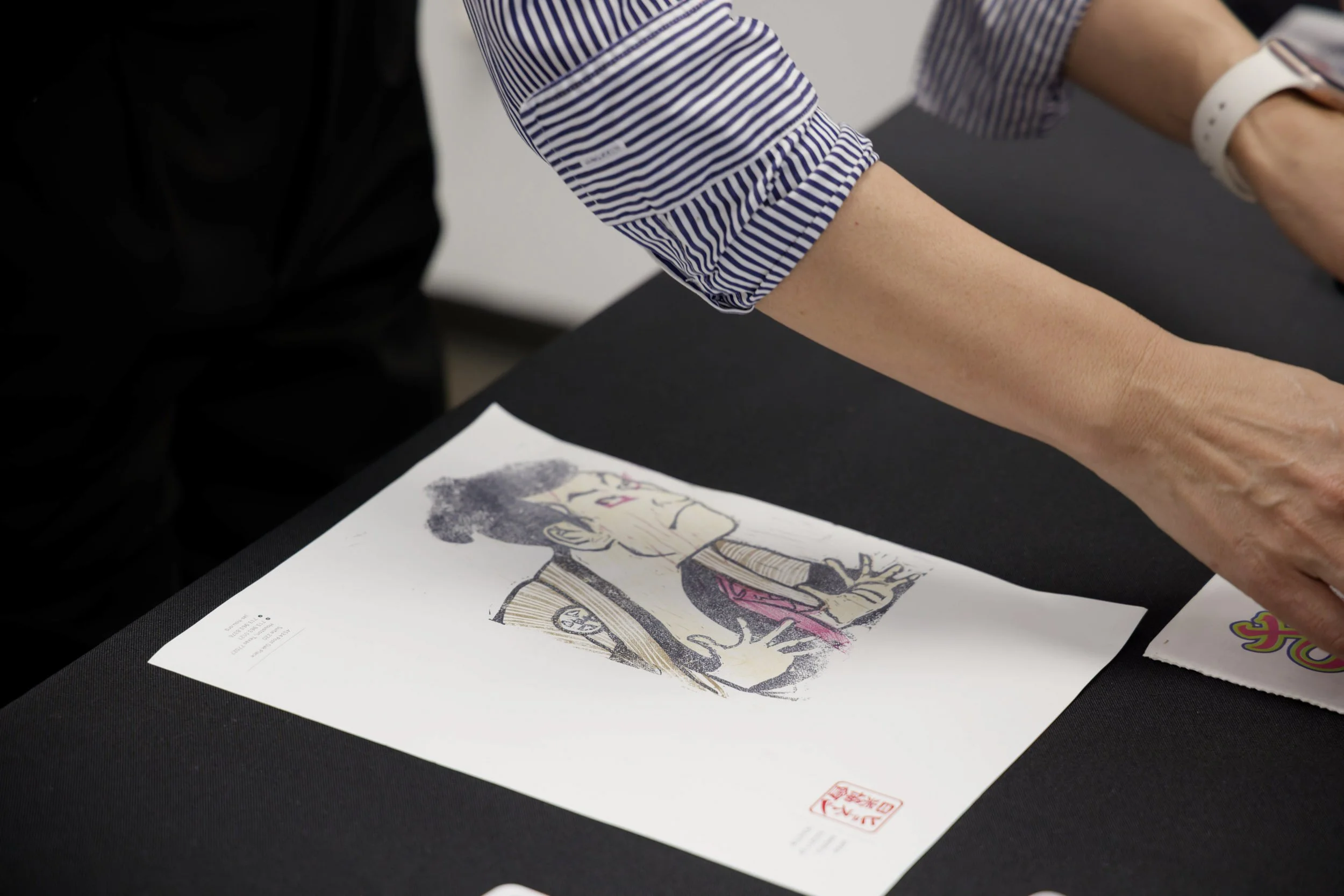
Rui K. developed her winning illustration after participating in our Nengajo Workshop, where she explored classical sumie Japanese ink-painting techniques and the cultural symbolism embedded in nengajo design. Her award reflects both her artistic dedication and a deep respect for traditional Japanese visual language.

The selected works, including Rui’s winning piece, are currently featured in the JICC’s seasonal Oshōgatsu exhibition, on view from Wednesday, January 7 to Friday, January 23, 2026, at the Embassy of Japan in Washington, DC. The exhibition highlights nengajo submissions from this year’s contest and celebrates the enduring cultural significance of this New Year tradition.

Established in 2010, the JICC’s annual nengajo contest was created to introduce the tradition of New Year’s cards to the Washington, DC–Maryland–Virginia area and has since grown into a global cultural exchange. Over the years, the contest has showcased hundreds of works, bringing joy and cultural connection to audiences worldwide.

We extend our heartfelt congratulations to Rui on this well-deserved honor and our sincere thanks to the Japan Information & Culture Center for its continued commitment to promoting Japanese culture through the arts. We are delighted to see our workshop participants receiving international recognition and contributing meaningfully to cross-cultural understanding.

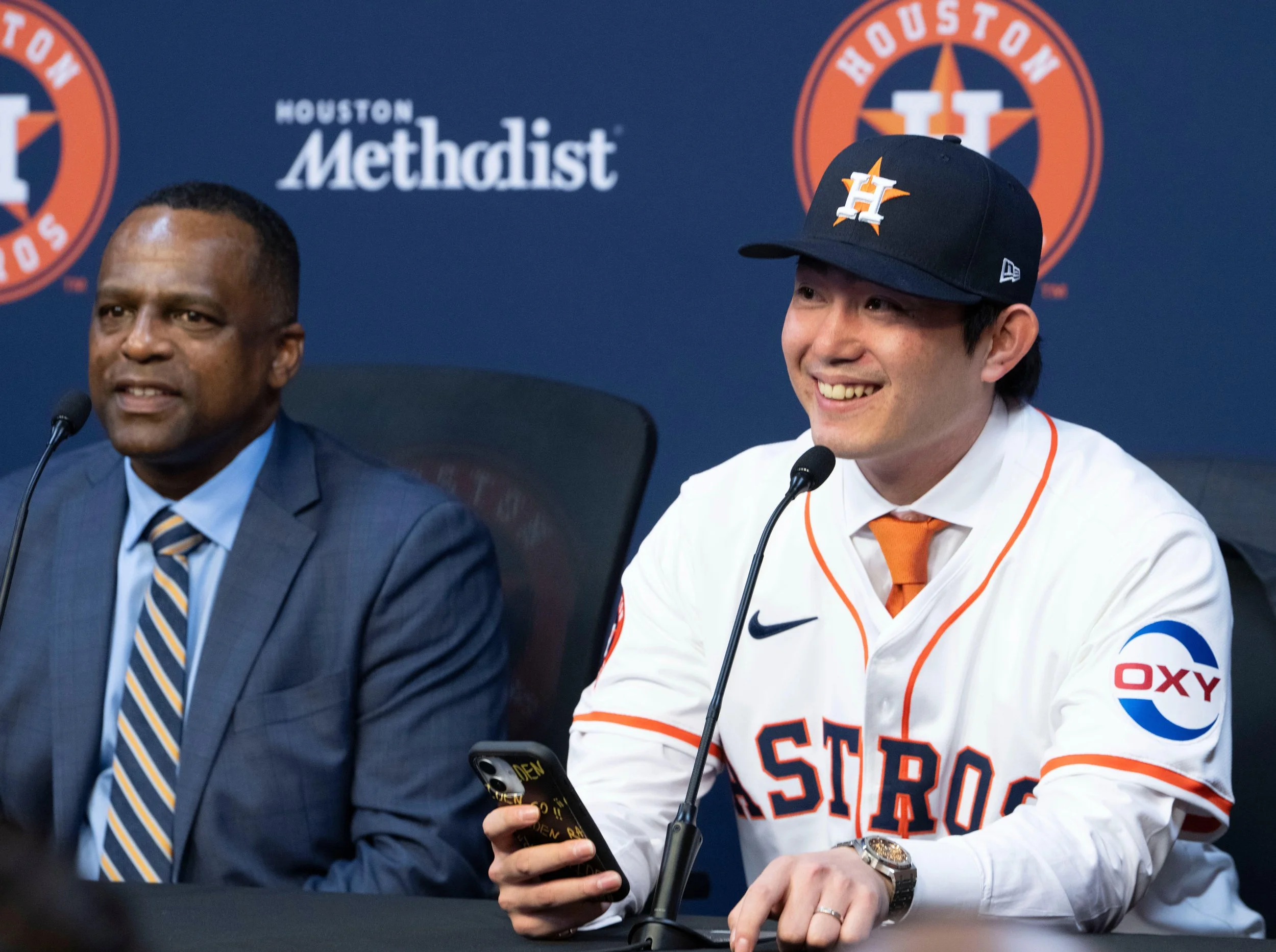
JASH Celebrates Astros’ Signing of Tatsuya Imai, a Milestone in U.S.–Japan Sports Exchange

Houston Astros pitcher Tatsuya Imai (45) is all smiles as the Astros formally introduce him as part of the team on Monday January 5, 2026 at Daikin Park in Houston, Texas. (Tom Walko/Imaige of Sport)

The Japan-America Society of Houston (JASH) warmly congratulates the Houston Astros on the signing of Japanese pitcher Tatsuya Imai, marking an exciting new chapter for both the Astros organization and the enduring relationship between Houston and Japan.

Imai-senshu’s arrival in Houston is more than a roster move—it is a powerful example of how sport continues to serve as a bridge between cultures. Baseball has long been a shared passion of the United States and Japan, fostering mutual respect, admiration, and people-to-people connections across generations.

The timing of this signing is especially meaningful. The year 2026 represents a historic milestone for both nations, with the United States commemorating its 250th anniversary and Japan marking the 100th anniversary of the Showa era. It was during the Showa period that baseball became deeply embedded in Japanese society, evolving into a national sport and a cultural touchstone. Imai-san’s journey from Japan to Major League Baseball reflects this rich legacy and the sport’s continuing role in strengthening bilateral ties.

Houston has long been a gateway for U.S.–Japan exchange, and the Astros’ global presence further amplifies the city’s role as a hub for international connection. Imai-san’s signing underscores the Astros’ commitment to excellence on the field while embracing the global nature of the game.

As an organization dedicated to advancing understanding and friendship between Japan and the United States, JASH celebrates this moment with pride. We look forward to welcoming Imai-san to Houston, cheering him on throughout the season, and continuing to support the many ways cultural exchange enriches our community—on and off the field.

Please join us in welcoming Tatsuya Imai to Houston and wishing him great success with the Astros.

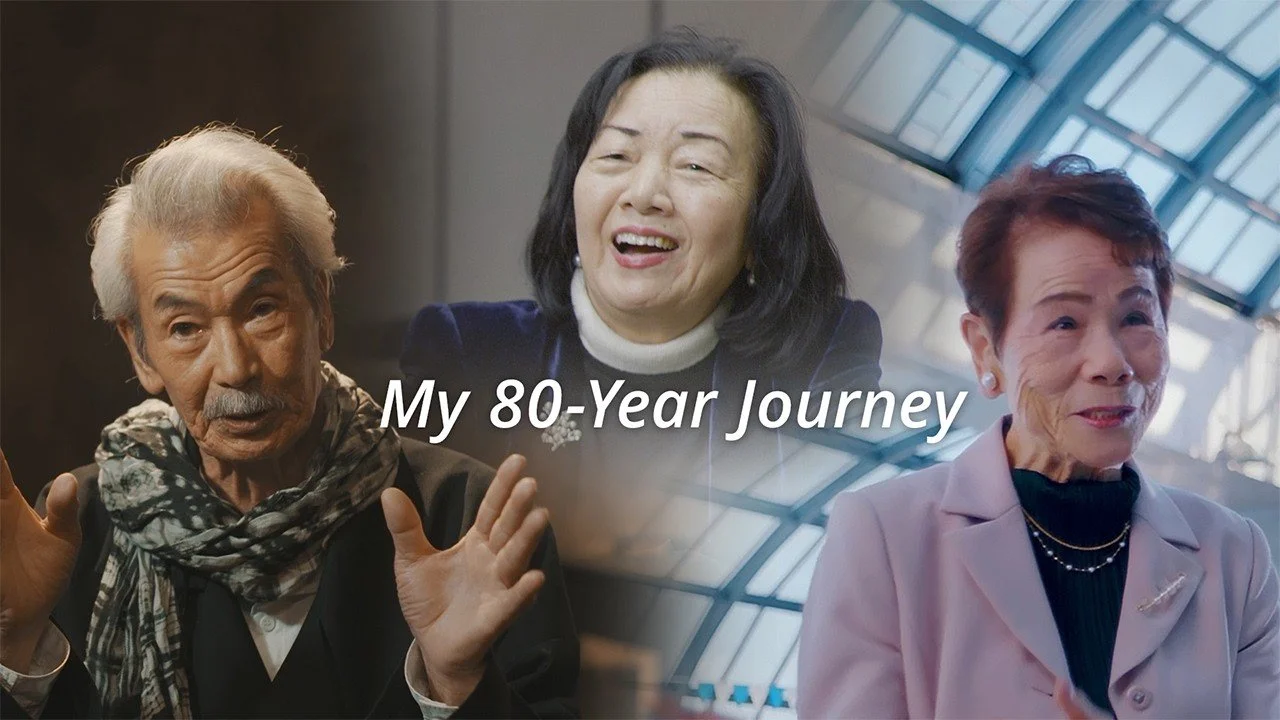
Dr. Ritsuko Komaki Featured in Prime Minister of Japan’s “My 80-Year Journey” Video

Among the many milestones of 2025, the world marked 80 years since the end of World War II—a moment that invited reflection not only on history, but on how light can emerge from hardship to shape a brighter future.

In this spirit, the Office of the Prime Minister of Japan released “My 80-Year Journey,” a moving video honoring individuals whose lives were shaped in the aftermath of the war by healing, hope, and humanity. Among those highlighted is Dr. Ritsuko Komaki, a distinguished radiation oncologist, longtime advocate for peace, and valued member of the Japan-America Society of Houston (JASH).

Dr. Komaki was recognized for a life guided by compassion and resolve. As a young girl, she helped build the Children’s Peace Monument honoring her childhood friend Sadako Sasaki in Hiroshima Peace Memorial Park, a symbol that has since become internationally recognized as a call for peace and the abolition of nuclear weapons. That early experience would profoundly shape her life’s path.

Dr. Komaki went on to devote her career to the treatment of cancer, becoming a world-renowned leader in radiation oncology. Across decades of clinical care, research, and mentorship, she has brought hope to countless patients and families, embodying the belief that medicine is not only a science, but a human calling.

Her journey, as featured in “My 80-Year Journey,” speaks to empathy, determination, and an enduring commitment to peace—values that resonate deeply with JASH’s mission to foster mutual understanding, friendship, and cooperation between Japan and the United States.

A steadfast champion of JASH, Dr. Komaki has long supported cultural exchange, education, and dialogue, strengthening ties between the two nations she holds dear. Her life’s work stands as a reminder that even in the aftermath of conflict, compassion can illuminate the way forward.

As JASH looks ahead to 2026, we do so with gratitude to Dr. Ritsuko Komaki, whose life and work continue to inspire us.

Click on the button below to view “My 80-Year Journey” from the YouTube channel of the Prime Minister of Japan.

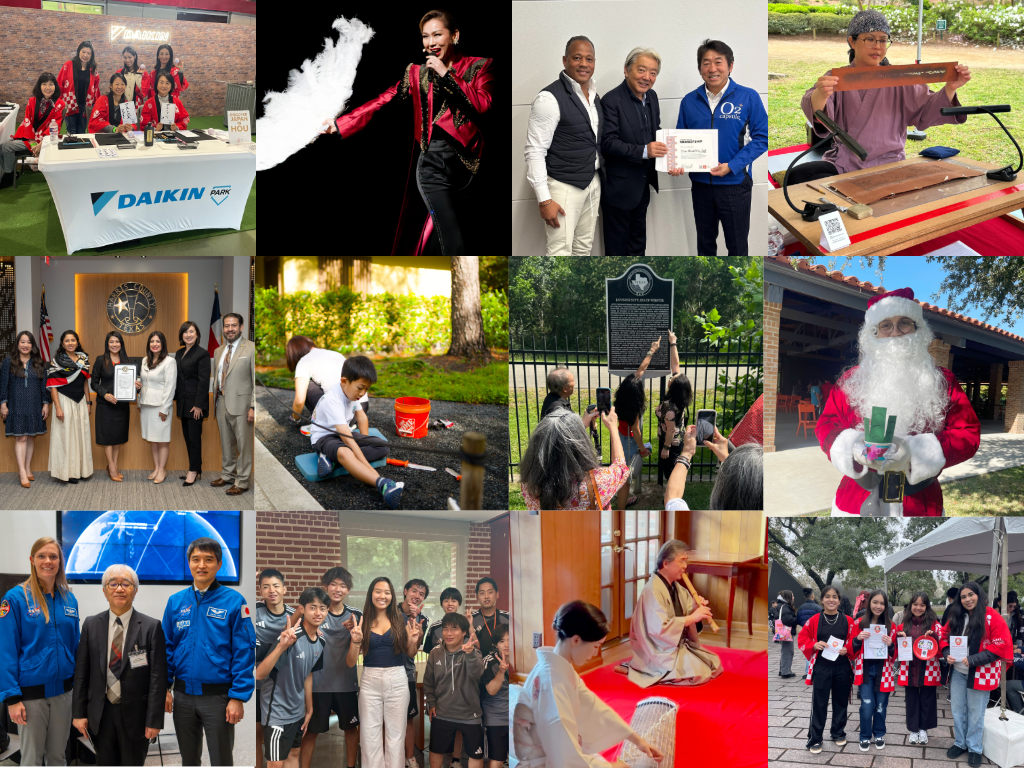
2025: A Year of Connection, Culture, and Forward Momentum

As 2025 comes to a close, the Japan-America Society of Houston (JASH) reflects on a year marked by steady engagement, meaningful exchange, and a deepened presence across the Houston region and beyond. From year-round language education to major public festivals and international exchanges, JASH remained committed to building bridges between Japan and the United States through culture, learning, and community.

A Year-Round Commitment to Learning

Education anchored JASH’s work throughout the year. Our Japanese Language Program ran continuously across multiple sessions, serving students of all ages and proficiency levels through both group and private instruction. This commitment to language education was further reflected in a full slate of speech contests — from the Houston Regional and Texas State Japanese Language Speech Contests to the All-U.S.A. High School Japanese Language Speech Contest — showcasing the dedication and talent of students across Texas.

Culture in the Community

Public cultural programming brought Japanese traditions and contemporary perspectives into parks, schools, museums, and neighborhoods throughout the year. Japan Junction at Levy Park, monthly Origami at Evelyn’s Park, and hands-on workshops — from wagashi tastings to onigiri-making — offered accessible entry points for families and first-time participants. In 2025, these efforts were strengthened by the return of the Japan Outreach Initiative (JOI) to JASH through the addition of a JOI coordinator to the team. With support from the Laurasian Institution and the Japan Foundation, JOI expanded JASH’s capacity for community-based programming, extending outreach to schools, libraries, and neighborhood partners across the region.

Seasonal celebrations punctuated the calendar, including Oshogatsu, Tanabata, and holiday craft programs such as kadomatsu and nengajo workshops. JASH also partnered with leading cultural institutions on film screenings, performances, and exhibitions, extending the reach of Japanese arts and perspectives throughout Houston.

Signature Events and Festivals

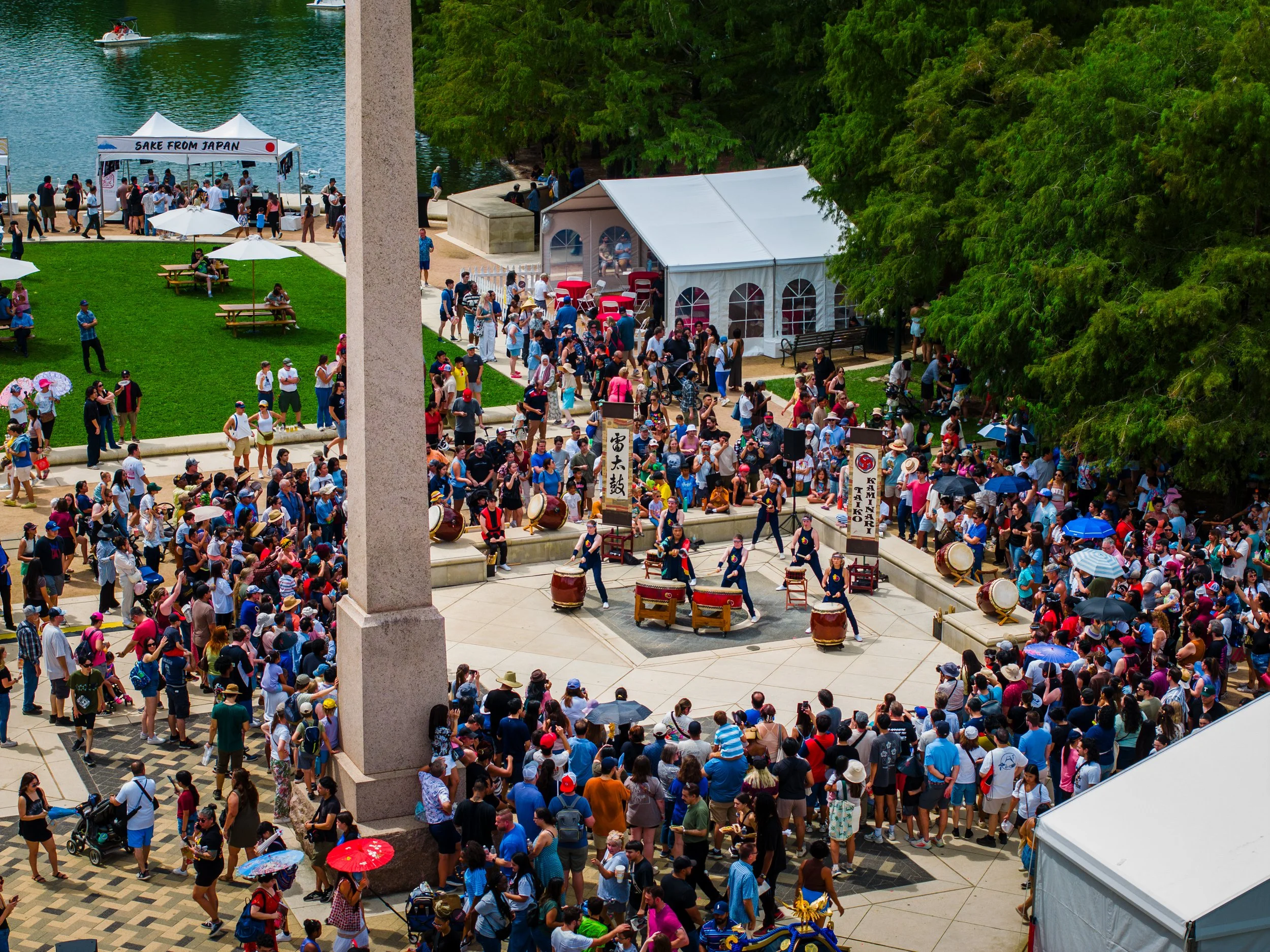
A highlight of the year was Japan Festival Houston, which drew a record-breaking 80,000 attendees for a weekend celebrating Japanese food, performance, arts, and community. The festival remains one of JASH’s most visible expressions of cultural exchange and a cornerstone of Houston’s multicultural landscape.

Beyond our own signature events, JASH actively participated in citywide celebrations — from AANHPI Heritage Month programs and Lunar New Year festivities to the H-E-B Thanksgiving Day Parade — reinforcing our role as a cultural partner across Greater Houston.

Youth, Exchange, and International Engagement

The Houston–Chiba Sister City Youth Ambassador Program continued to thrive in 2025, with interviews, orientations, and an overseas exchange that sent Houston students to Chiba, Japan. JASH also welcomed distinguished visitors, including Mayor Kamiya of Chiba City, strengthening civic ties through official visits and public receptions.

International dialogue extended beyond cultural exchange. Programs such as the U.S.–Japan Space Forum in Texas, economic exchange delegations, and participation in the U.S.–Japan Sister Cities Summit in Japan underscored JASH’s role in fostering professional, civic, and business collaboration.

Gratitude and Looking Ahead

Behind every program and partnership is a network of dedicated volunteers, educators, artists, sponsors, and community partners. Their support made it possible for JASH to sustain a full calendar of activity throughout 2025 — from intimate workshops to large-scale public festivals.

As we look toward 2026, JASH remains committed to creating spaces for learning, celebration, and dialogue that strengthen U.S.–Japan relations at every level. Thank you for being part of this journey with us.


2025 By the Numbers

  • ~80,000 attendees at Japan Festival Houston, one of the city’s largest celebrations of Japanese culture

  • 130+ cultural, educational, and professional programs hosted throughout the year

  • 1,000+ students and learners engaged through language instruction, speech contests, and school-based programs

  • 50+ community, corporate, and institutional partners collaborating across Houston and beyond

  • 2 international delegations welcomed from Japan, strengthening civic and cultural ties

  • 700+ volunteers supporting JASH programs, festivals, and outreach efforts

  • 3.3M social media views and 500K+ community interactions, extending JASH’s reach across Houston and beyond


Photo by Lance Childers/Houston First

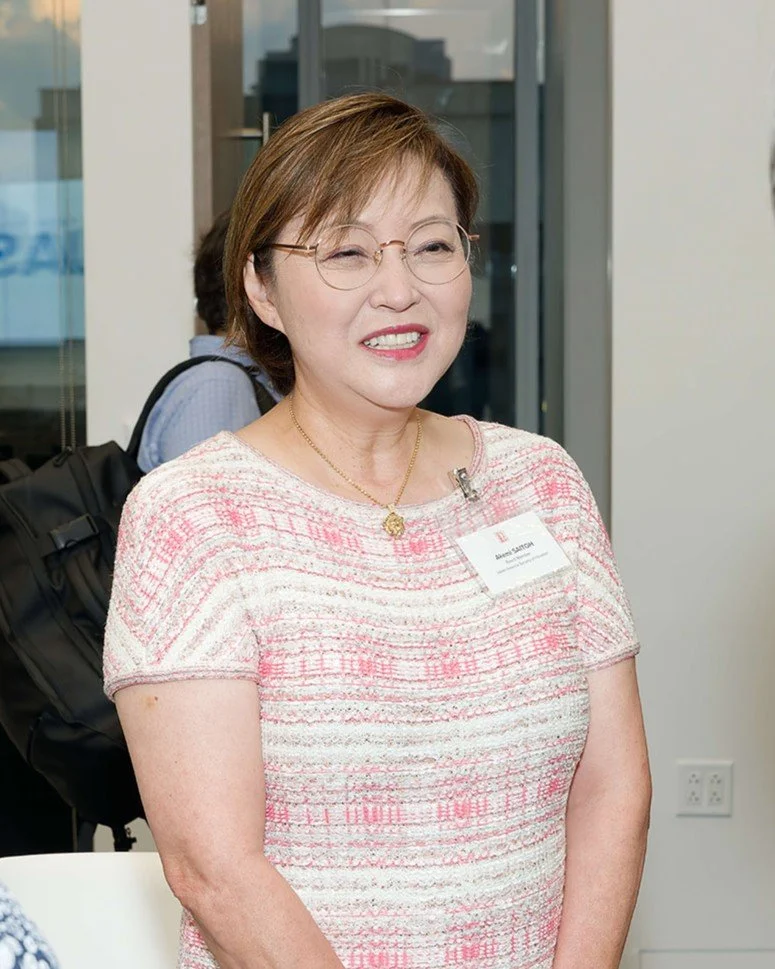
JASH Board Member Akemi Saitoh Honored with the Japanese Foreign Minister’s Commendation

The Japan-America Society of Houston proudly congratulates Mrs. Akemi Saitoh, JASH Board Member and devoted advocate for Japanese culture, on receiving the prestigious Foreign Minister’s Commendation from the Government of Japan. The award was presented by The Honorable Zentaro Naganuma, Consul General of Japan in Houston, during a ceremony on Monday, December 8.

This esteemed recognition honors individuals whose work has advanced friendship and mutual understanding between Japan and the international community. For decades, Mrs. Saitoh has embodied this mission through her leadership in the arts, her commitment to cultural exchange, and her tireless efforts to deepen ties between Japan and Houston.

A Champion of Culture and the Arts

Within Houston’s arts community, Mrs. Saitoh is celebrated for her generous support and longtime service to Houston Ballet, where she and her husband, Mr. Yasuhiko Saitoh, have been dedicated advocates for more than a decade. Their philanthropy has welcomed numerous Japanese dancers into the company and helped realize Houston Ballet’s tours of Japan in 2023 and 2025.

Her commitment to nurturing cultural exchange also extends to education. Within JASH, she helped establish the Shintech–Kanagawa Fund, which for many years provided scholarships for students of the Japanese language—expanding opportunities for young learners and supporting future generations of cultural ambassadors.

Through the Yasuhiko and Akemi Saitoh Foundation, Mrs. Saitoh has further elevated Japanese artistic traditions in Houston. Most recently, the foundation loaned 25 historic kimono stencils for Asia Society Texas’ exhibition Stenciled Elegance: Ise Katagami and the Art of Textile Design, offering thousands of visitors a window into the beauty of Japanese craftsmanship.

A Bridge Between Houston and Japan

As a JASH Board Member and an “Advocate of Japanese culture,” Mrs. Saitoh has played a vital role in strengthening relationships among Houston’s Japanese community, cultural institutions, and civic partners. Her passion for the Houston–Chiba Sister City relationship has been especially meaningful, as she has championed programs that connect the two cities through dance, education, and cultural exchange—helping young people and artists build lasting ties across the Pacific.

Her dedication has been recognized abroad as well. The Honorable Shunichi Kamiya, Mayor of Chiba City, sent greetings in honor of her award, expressing gratitude for her efforts to strengthen Houston–Chiba ties, particularly through workshops in Chiba led by members of Houston Ballet.

A Legacy That Inspires

Mrs. Saitoh’s recognition highlights not just her generosity, but her hands-on dedication as a cultural ambassador. Her behind-the-scenes work—welcoming artists, supporting youth programs, and promoting authentic cultural experiences—has created lasting pathways for exchange.

Her example inspires future generations to continue building bridges between Japan, Houston, and the world.

2025 U.S.-Japan Space Forum in Texas Spotlights Commercial LEO Collaboration

HOUSTON, TX – December 2, 2025 — Leaders from across the U.S. and Japanese space sectors gathered at Rice University for the 2025 U.S.–Japan Space Forum in Texas, an annual event focused on the future of Commercial Low Earth Orbit (LEO) Destinations and the next chapter of bilateral space cooperation.

Hosted by the Japan-America Society of Houston (JASH) with support from the Consulate-General of Japan in Houston, the forum explored how NASA, JAXA, and commercial partners are preparing for a post–International Space Station era defined by privately operated orbital platforms. This year’s theme—“U.S.–Japan Space Collaboration: Charting the Future of Commercial LEO Destinations”—framed discussions on technology development, scientific utilization, and new commercial models driving LEO activity.

The Honorable Zentaro Naganuma, Consul General of Japan in Houston, opened the program with remarks on Japan’s expanding role in commercial space partnerships. Greetings from Senator John Cornyn, Representative Brian Babin, and Donna Shafer, Associate Director at NASA’s Johnson Space Center, further emphasized the importance of Texas in shaping national space priorities.

Keynote addresses were delivered by NASA Astronaut Nichole Ayers and JAXA Astronaut Takuya Onishi, both of whom recently completed missions aboard the International Space Station. Their reflections on flight operations, research, and international teamwork offered a firsthand perspective on lessons that will guide the transition to commercial LEO infrastructure.

Industry Leaders Outline the Next Generation of Orbital Infrastructure

The forum featured a comprehensive set of presentations from industry leaders who are actively shaping the rapidly accelerating LEO marketplace. Presenters included:

  • Dr. Michael Baine, Chief Engineer Growth, Axiom Space

  • Dr. Meghan Everett, Principal Scientist, Vast

  • Olivier Farache, Chief Revenue Officer, Vast (panel representative)

  • Tim Kopra, Chief Human Exploration Officer, Voyager Technologies

  • Dr. Randy Lillard, Senior Director of Program Management, Blue Origin

  • Yudai Yamamoto, President & CEO, Japan LEO Shachu, Inc.

  • Kazuya Yufu, Director of Launch Services & Manager of Global Business Development, Mitsubishi Heavy Industries, Ltd.

Collectively, these leaders highlighted the remarkable momentum underway in LEO activity—from modular station architectures and commercial research platforms to expanded launch services and new U.S.–Japan industrial partnerships. Their presentations reinforced the shared view that LEO is on the cusp of a commercially driven phase defined by innovation, competition, and deeper international cooperation.

A panel discussion moderated by Dr. David Alexander, Director of the Rice Space Institute, further examined opportunities for bilateral collaboration in commercial station development, technology integration, and long-term orbital sustainability.

Strengthening Bilateral Collaboration

The forum concluded with remarks from Takajiro “Tak” Ishikawa, Chairman of JASH and President & CEO of Mitsubishi Heavy Industries America, who emphasized the critical importance of public-private partnerships in building a resilient Commercial LEO ecosystem.

A networking reception and company showcase followed, offering attendees opportunities to continue discussions and explore future pathways for U.S.–Japan cooperation in LEO.

Read Rice University’s article: Rice hosts US-Japan Space Forum to advance commercial orbit cooperation

SELECT IMAGES FROM THE EVENT | photos by Night.Sky.Creative

Houston Welcomes The Honorable Shunichi Kamiya and the Official Chiba City Delegation

Images courtesy of Jay Ford/Night.Sky.Creative

In October, the Japan-America Society of Houston (JASH) had the honor of welcoming The Honorable Shunichi Kamiya, Mayor of Chiba, and an official Chiba City delegation to Houston — marking the first official visit from Chiba in nearly a decade.

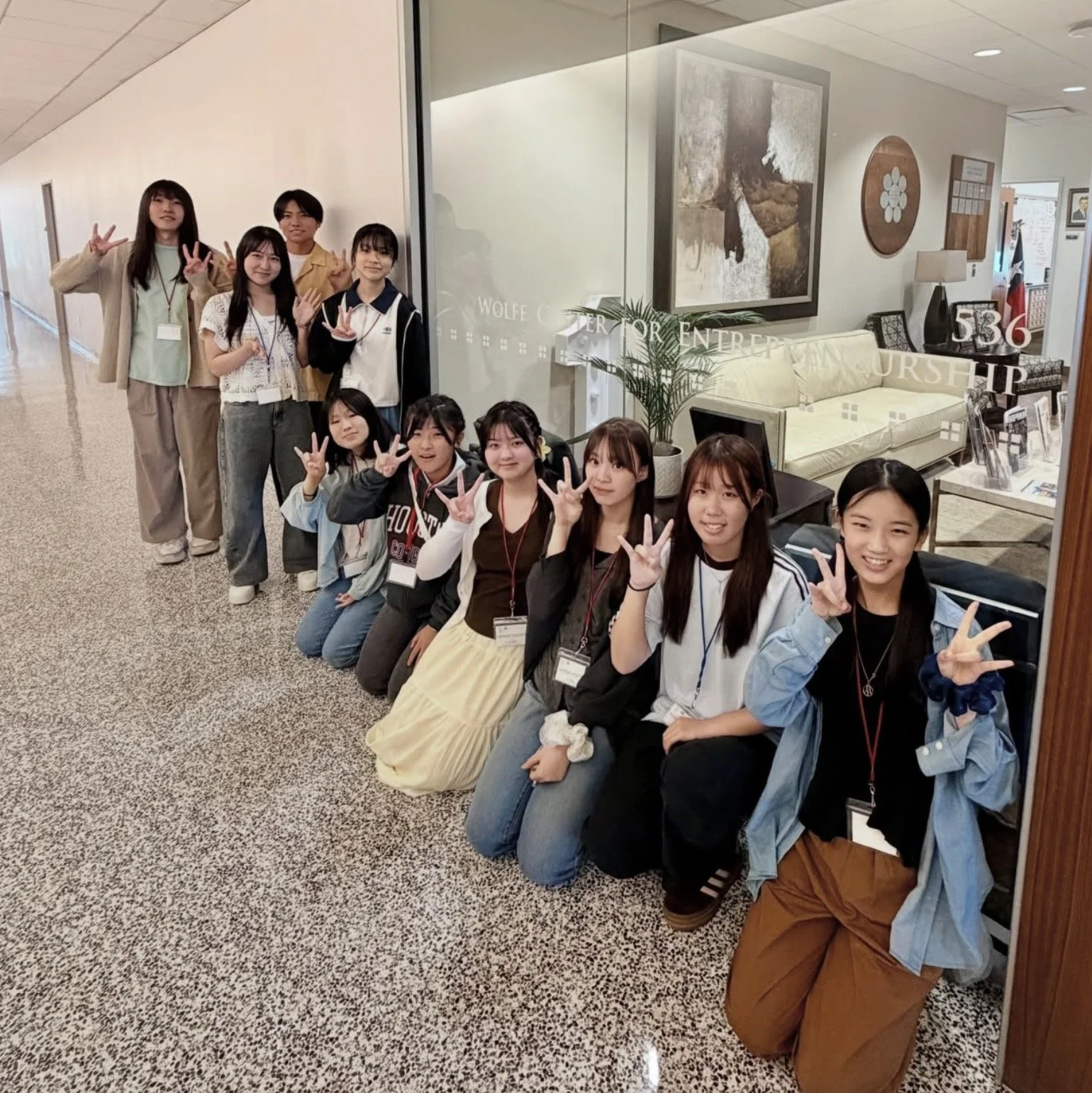
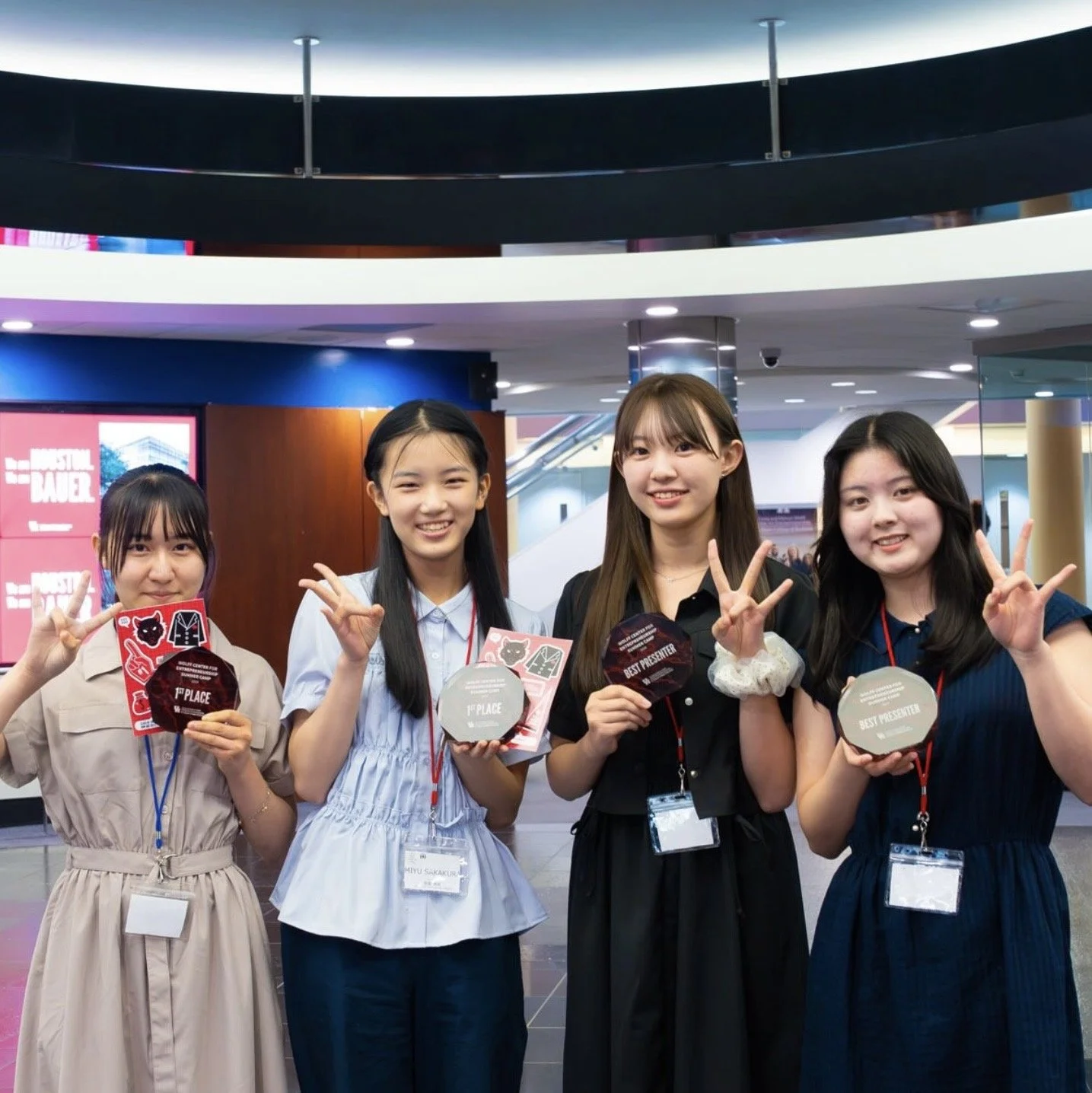
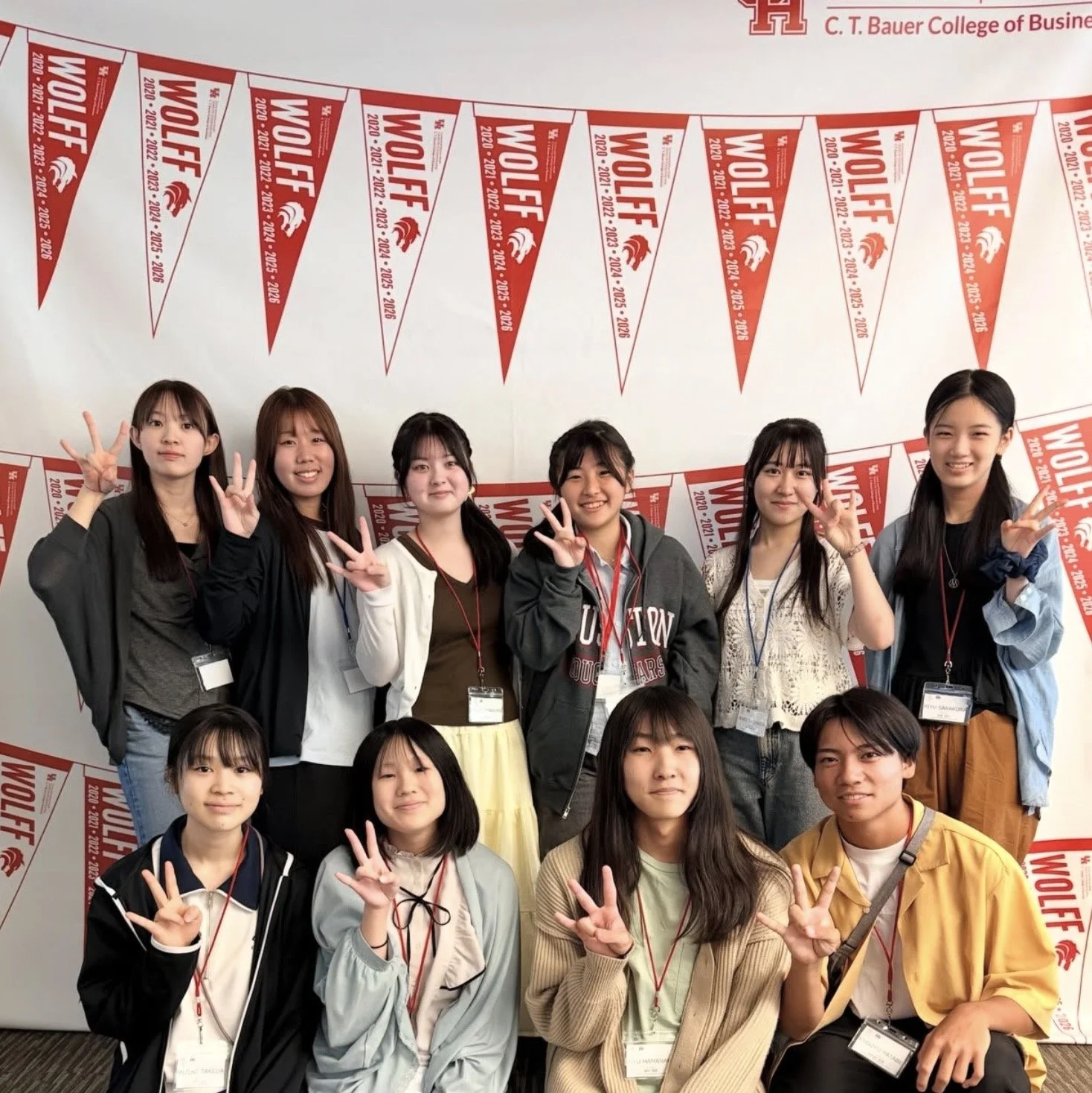
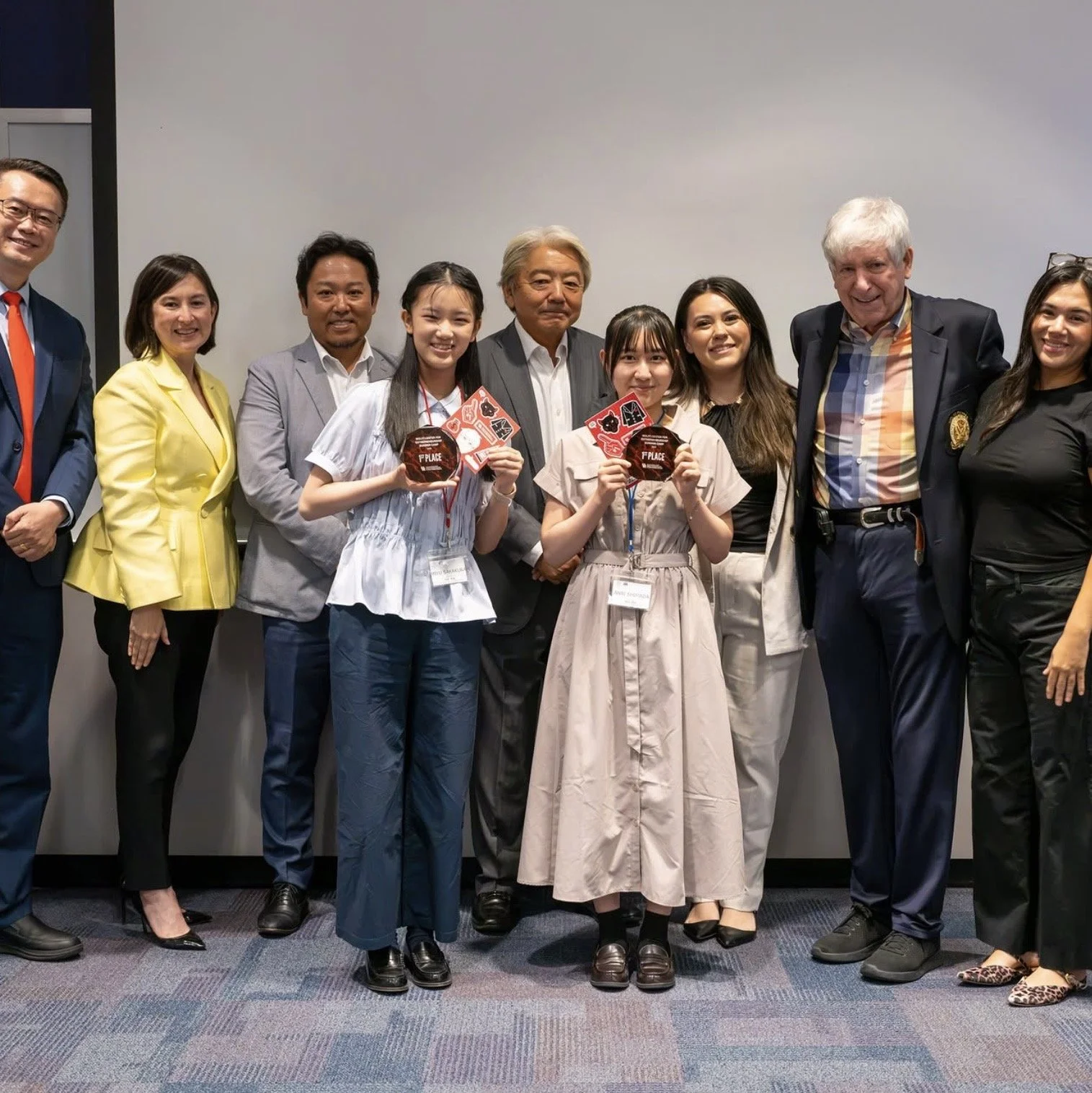
As administrator of the Houston–Chiba Sister City relationship, established more than 50 years ago, JASH curated an itinerary that showcased Houston’s dynamic leadership in innovation, sustainability, and education. The delegation toured TMC Innovation Factory, University of Houston’s Wolff Center for Entrepreneurship, Greentown Labs, and The Ion/Rice Alliance, gaining firsthand insights into Houston’s thriving innovation and entrepreneurship ecosystem.

The group also experienced Houston’s cultural vibrancy with visits to The Museum of Fine Arts, Houston, and the Japanese Garden, celebrating the city’s creativity, diversity, and deep-rooted commitment to Japan–U.S. exchange.

Celebrating 53 Years of Sister City Friendship

To commemorate this important visit, the Mayor’s Office of Trade and International Affairs, in partnership with JASH, organized a reception at Houston City Hall honoring Mayor Kamiya and the Chiba City delegates. The event, led by Gigi Lee, Chief of International Affairs, and her dedicated team, was hosted by Mayor John Whitmire and celebrated more than half a century of friendship between the two cities.

In recognition of this enduring partnership, October 20 was proclaimed Houston–Chiba Sister City Day, marking 53 years of friendship, exchange, and collaboration.

Adding to the evening’s spirit of connection, the 2025 Houston–Chiba Sister City Youth Ambassadors shared heartfelt reflections on their recent trip to Chiba, underscoring how the next generation continues to strengthen and renew the bonds between Houston and Chiba.

The celebration reaffirmed the long-standing and evolving relationship between the two cities—one built on shared values, mutual respect, and a shared vision for the future.

Looking Ahead: The Chiba City Innovators Academy

The visit concluded with the signing of a Memorandum of Understanding (MOU) establishing a new partnership between Chiba City and JASH, focused on education, entrepreneurship, and exchange. Building on more than five decades of sister-city friendship, this agreement paves the way for the Chiba City Innovators Academy, set to launch in 2026.

The academy will bring ten high school students from Chiba to Houston, where they will explore innovation, develop business ideas, and learn from real-world entrepreneurs in Houston’s vibrant startup ecosystem.

Together, Houston and Chiba are empowering the next generation of innovators—strengthening a bridge of friendship and collaboration that will continue to inspire for years to come.

📸 Photos by @night.sky.creative

Images courtesy of Jay Ford

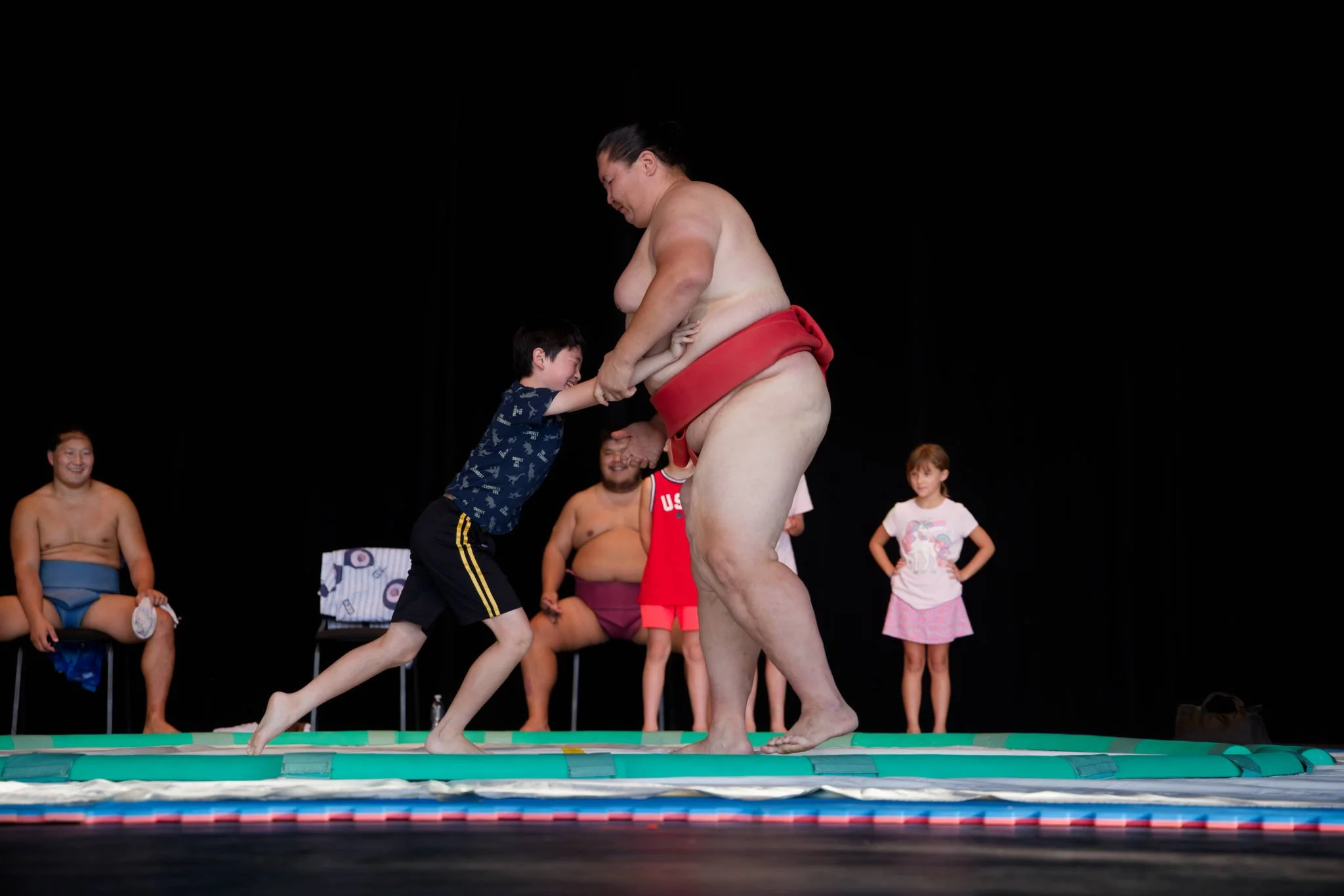
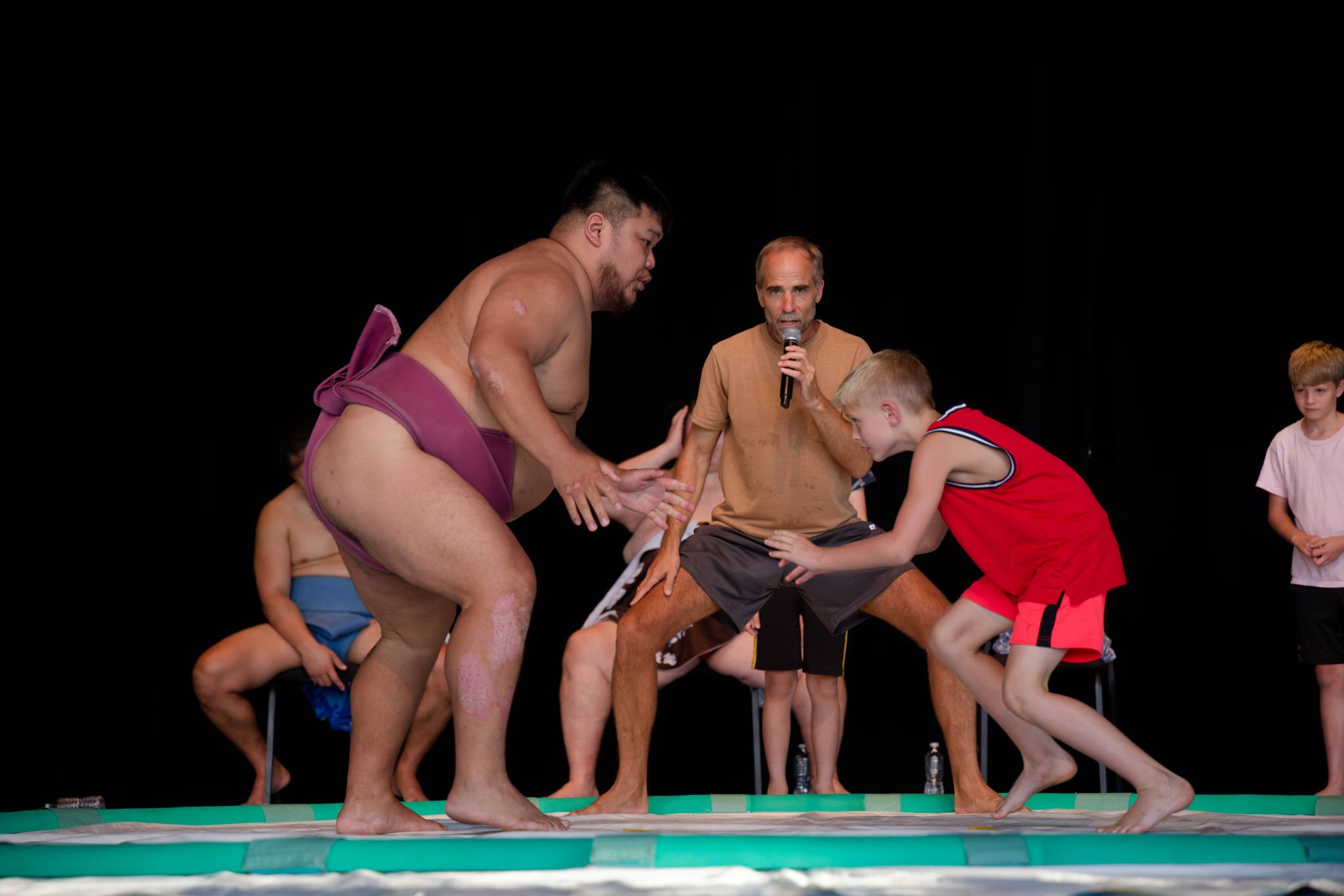
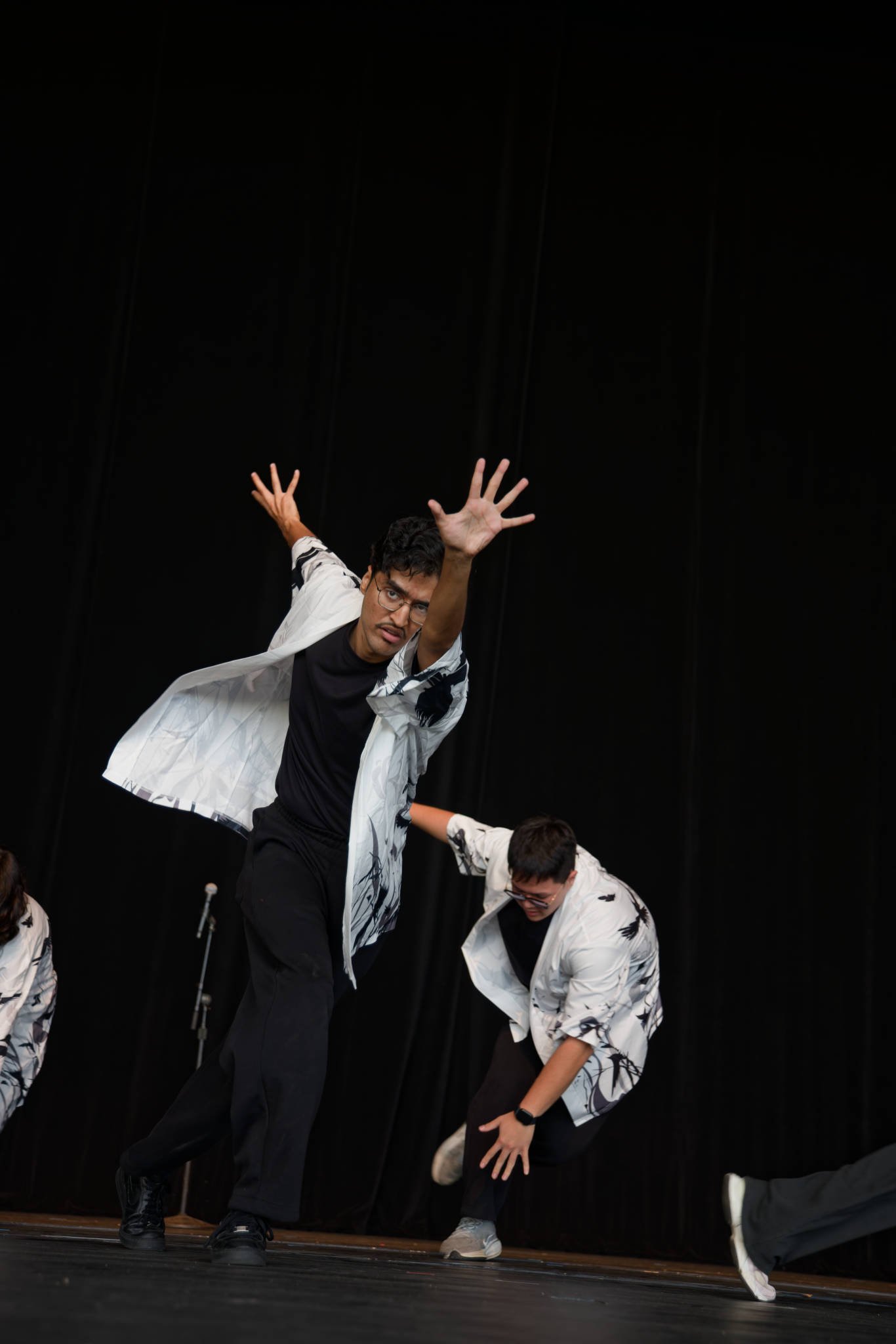
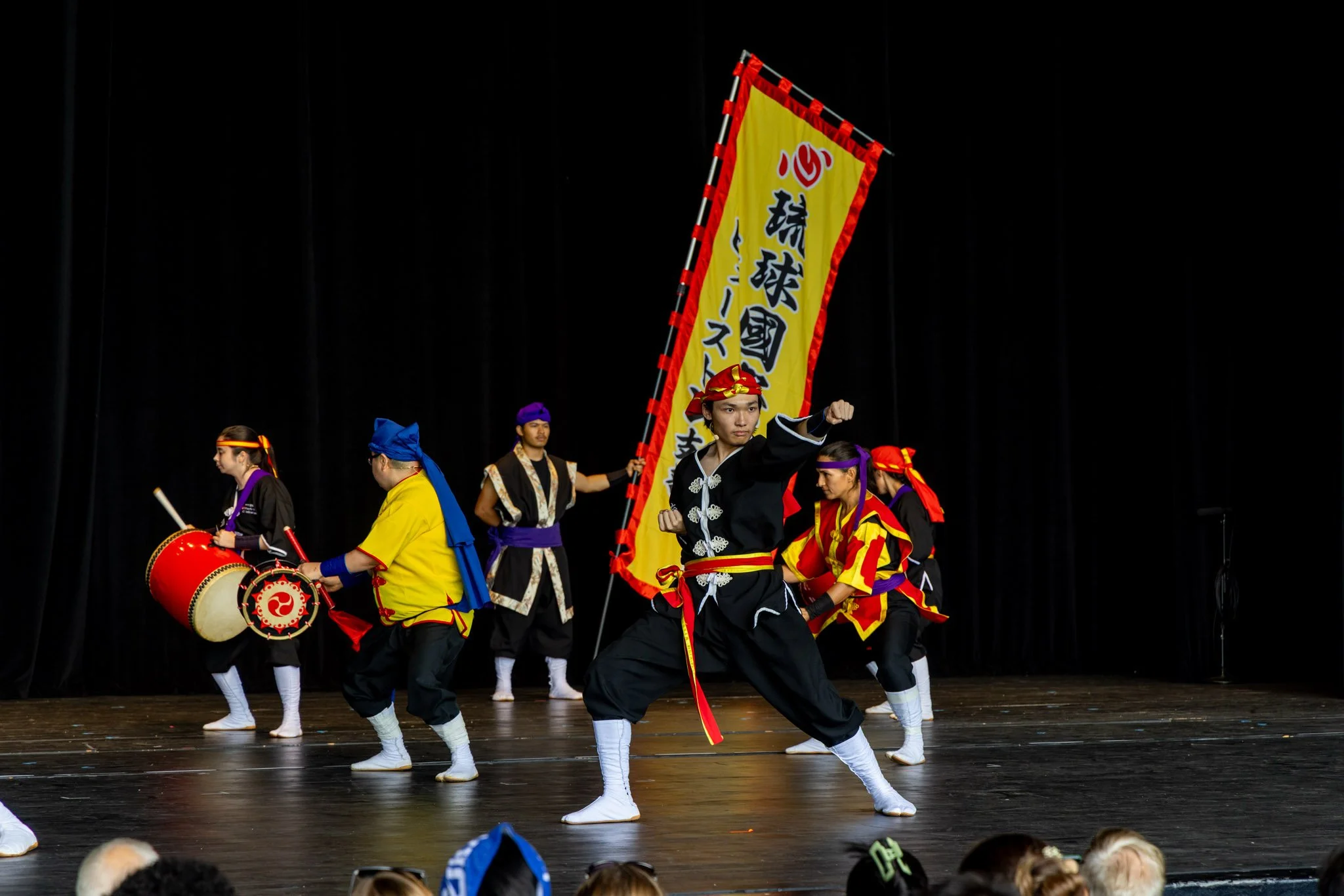
Japan Festival Houston 2025

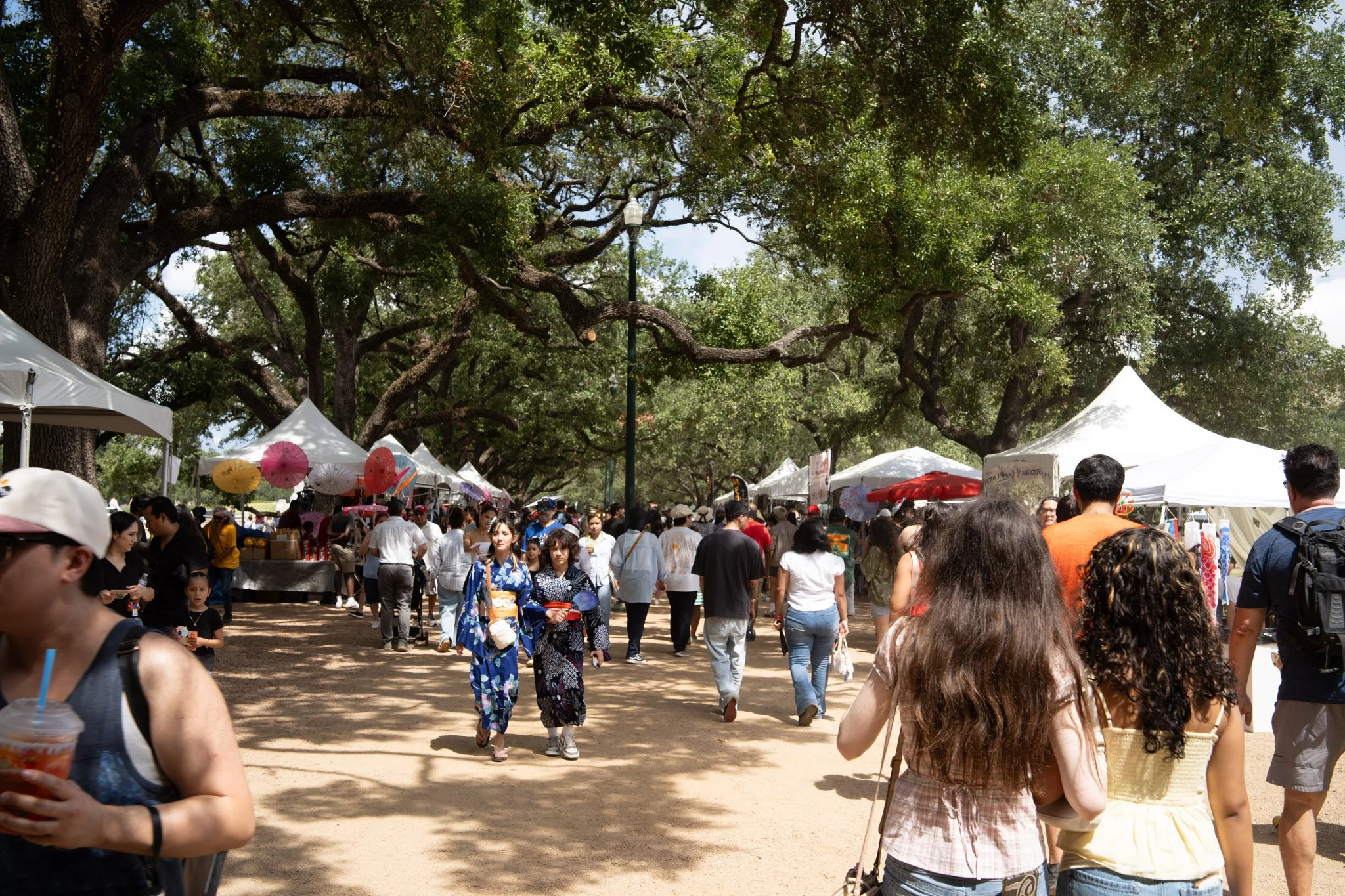
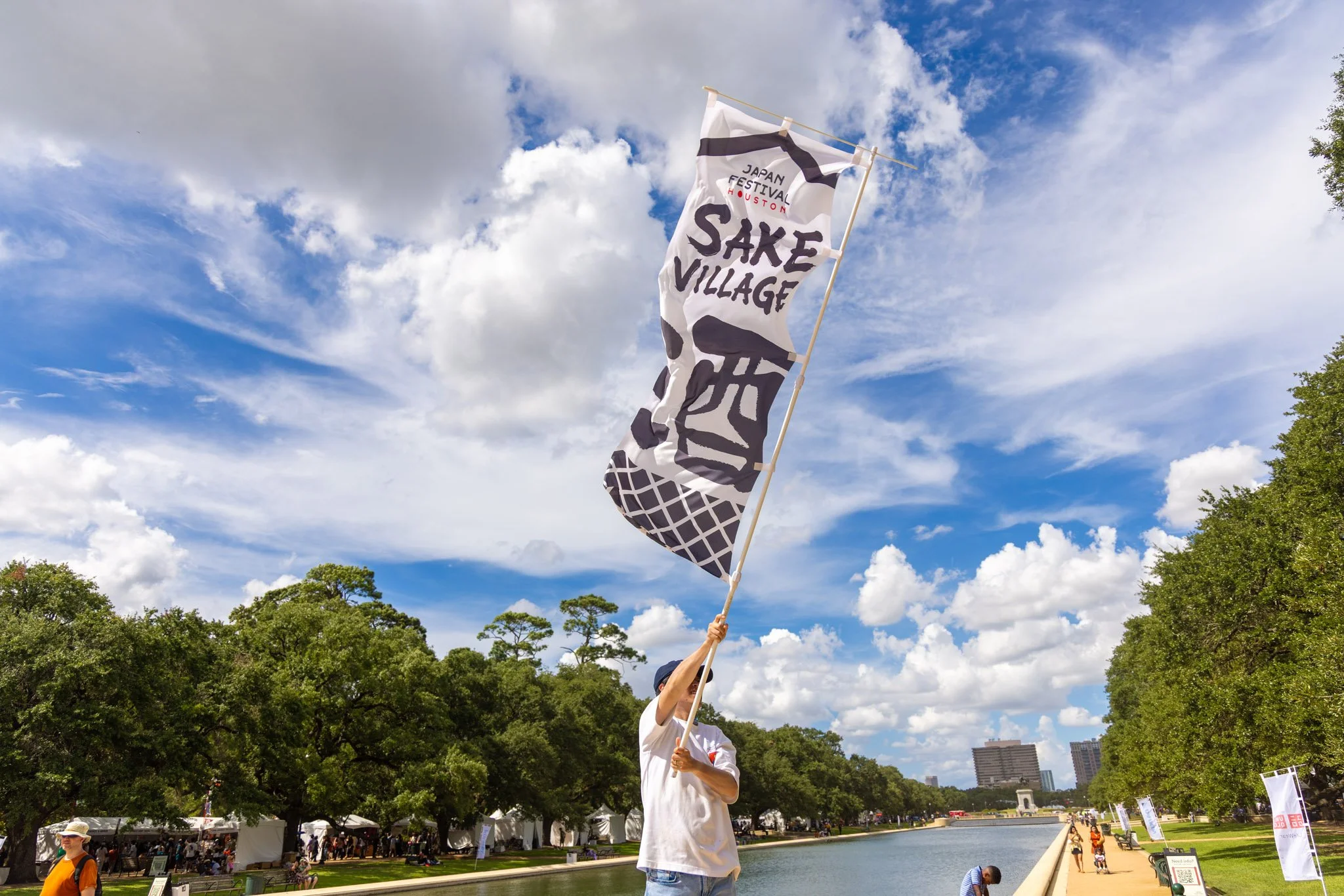
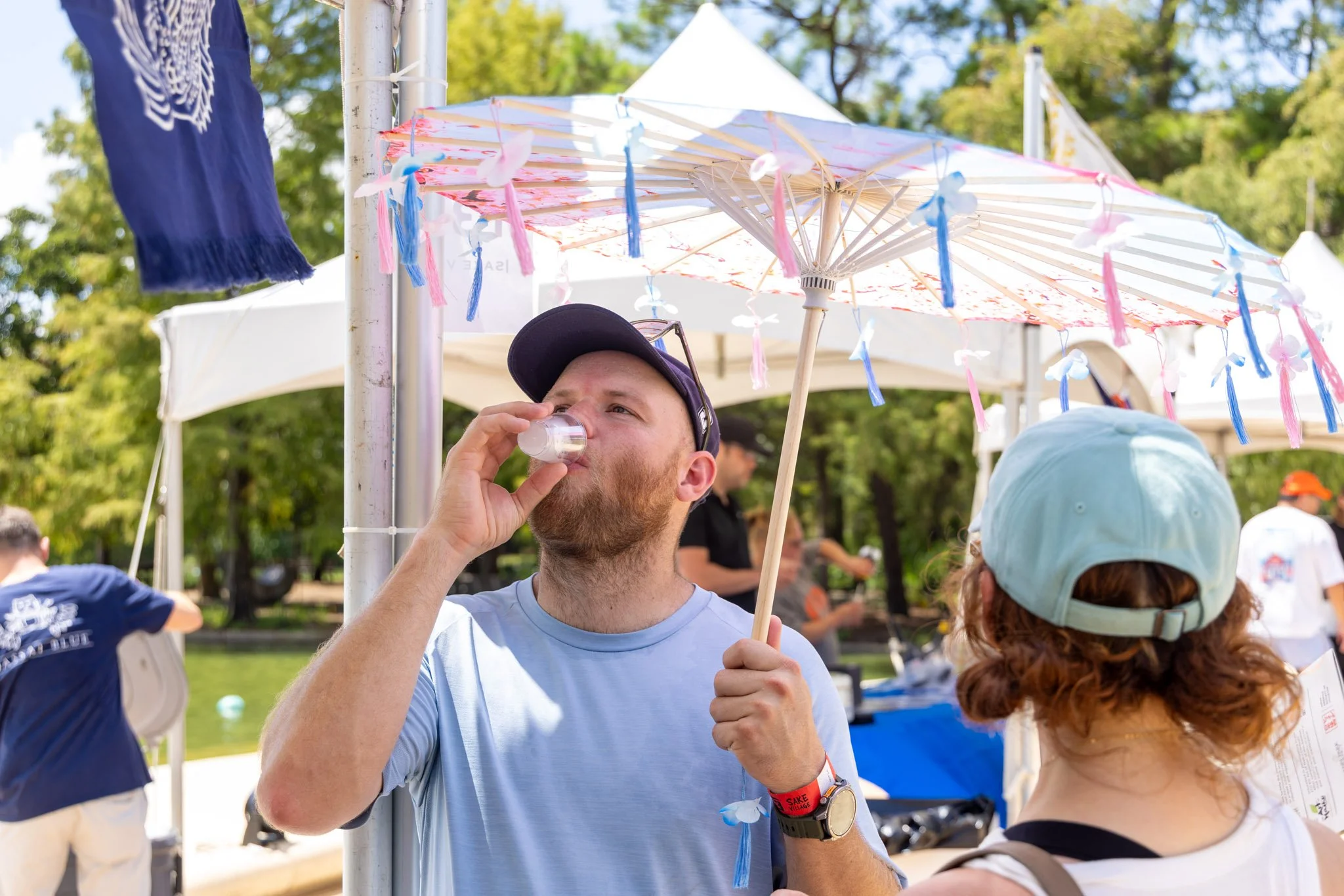
Japan Festival Houston returned to Hermann Park on September 6-7 with two full days of vibrant performances, delicious food and unforgettable cultural experiences. From breathtaking stage performances to hands-on cultural activities, the weekend offered something for everyone, inviting Houstonians of all backgrounds to explore the rich heritage and dynamic modern culture of Japan.

In our 32 year history, Houston has never shown up like it did this year - the overwhelming support and enthusiasm were truly inspiring. The festival has grown into one of the city’s largest cultural celebrations - and one of the few that’s free and open to all. At its core, Japan Festival Houston is a celebration of culture - bringing the traditions, artistry, and spirit of Japan to life in the heart of Houston.

During Japan Festival Houston, Houstonians were given a rare chance to witness the elegance and spectacle of Japan’s legendary Takarazuka Grand Revue. Former Takarazuka top star Wataru Kozuki, joined by fellow Takarasienne alumni, lit up Miller Outdoor Theatre with a breathtaking mix of theatrical flair, musical numbers, and dance - reimaging beloved Takarazuka works for a Houston audience.

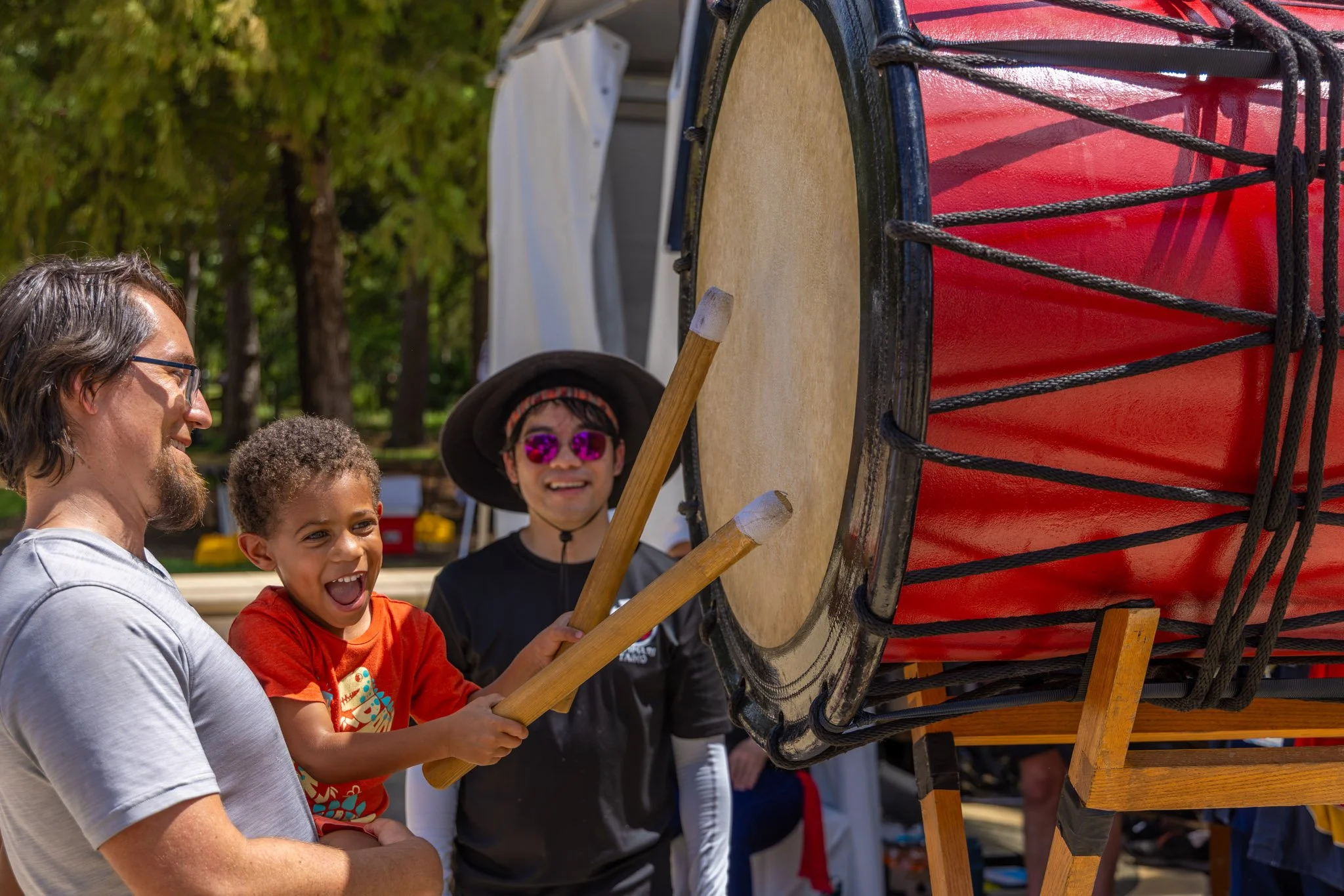
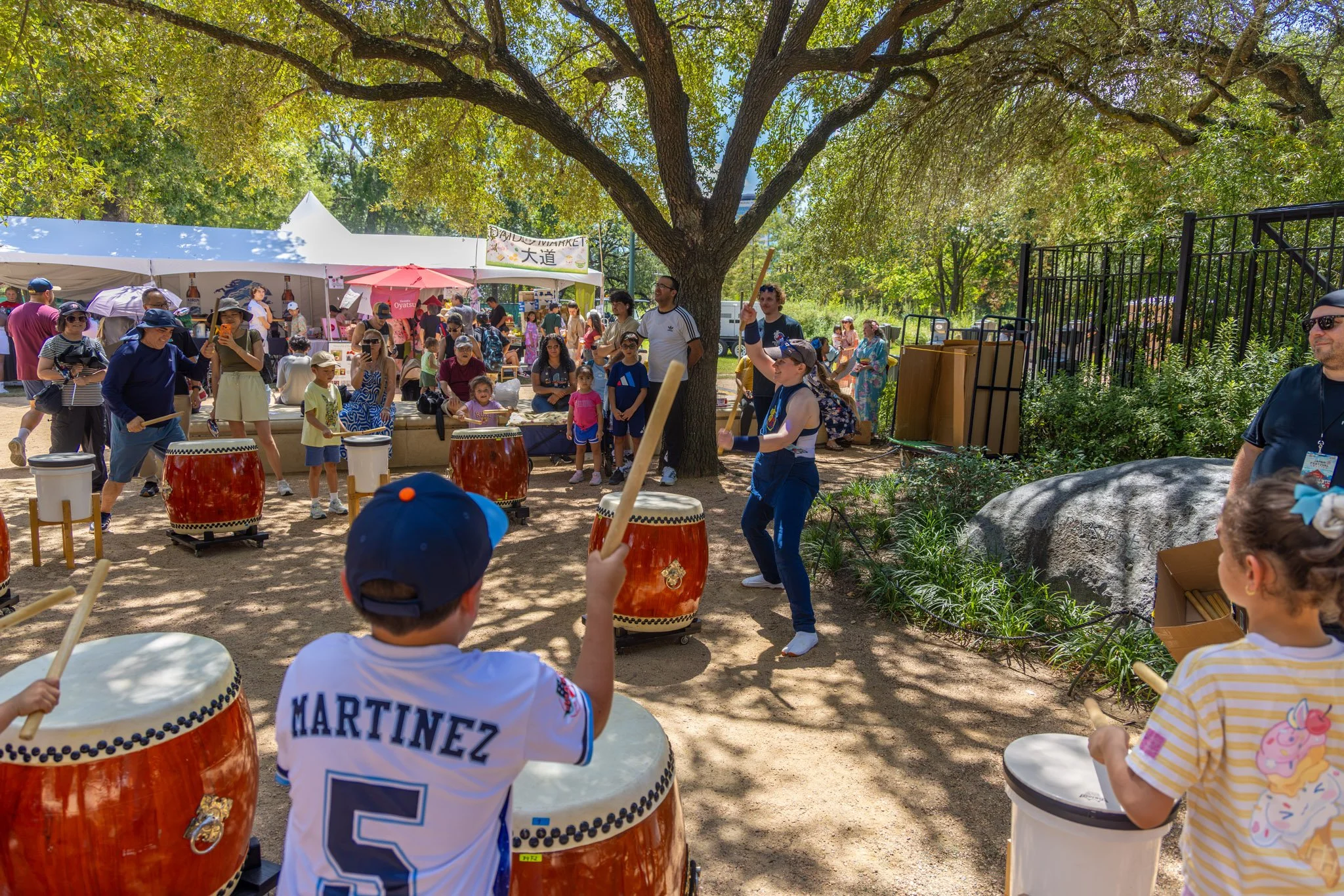
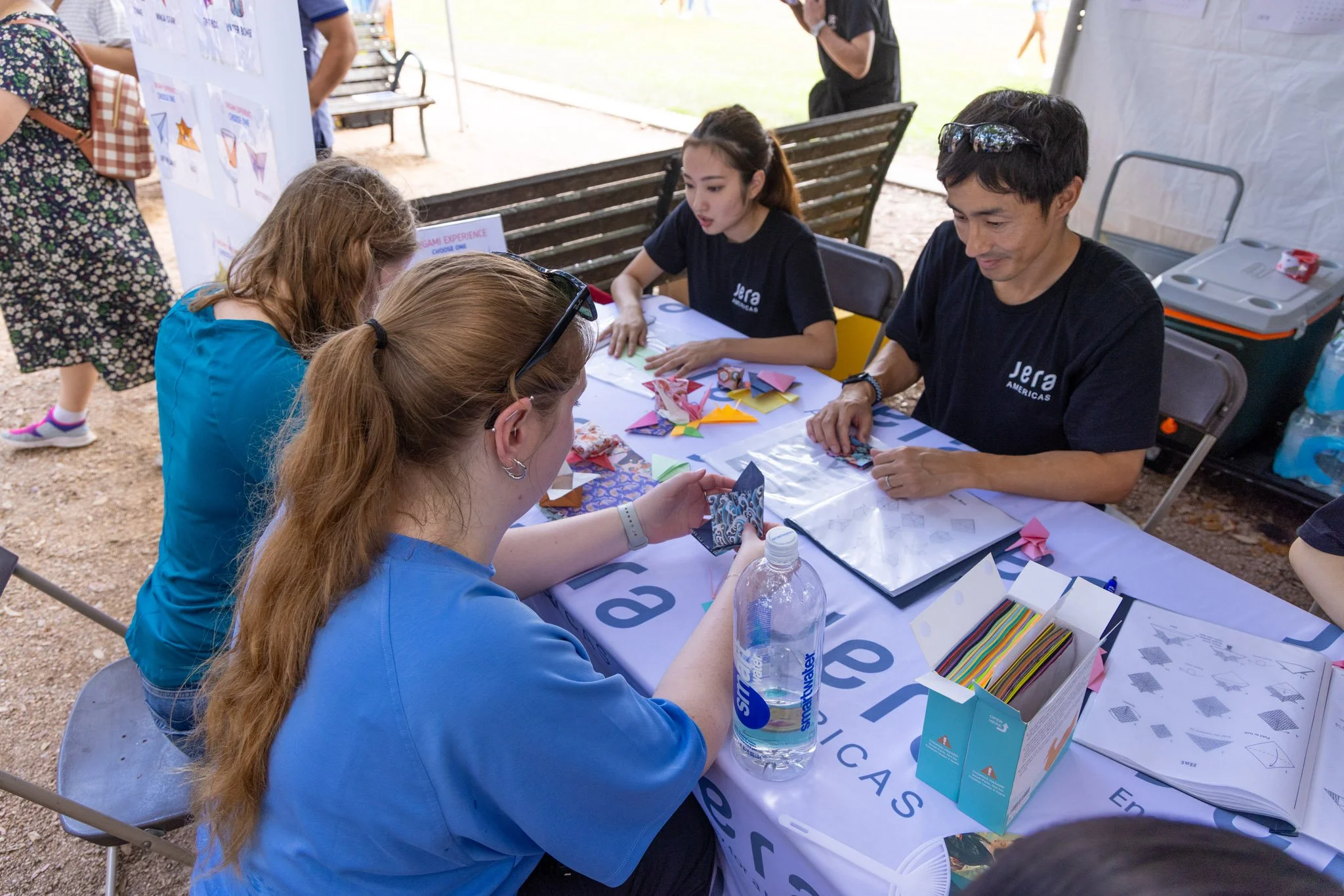
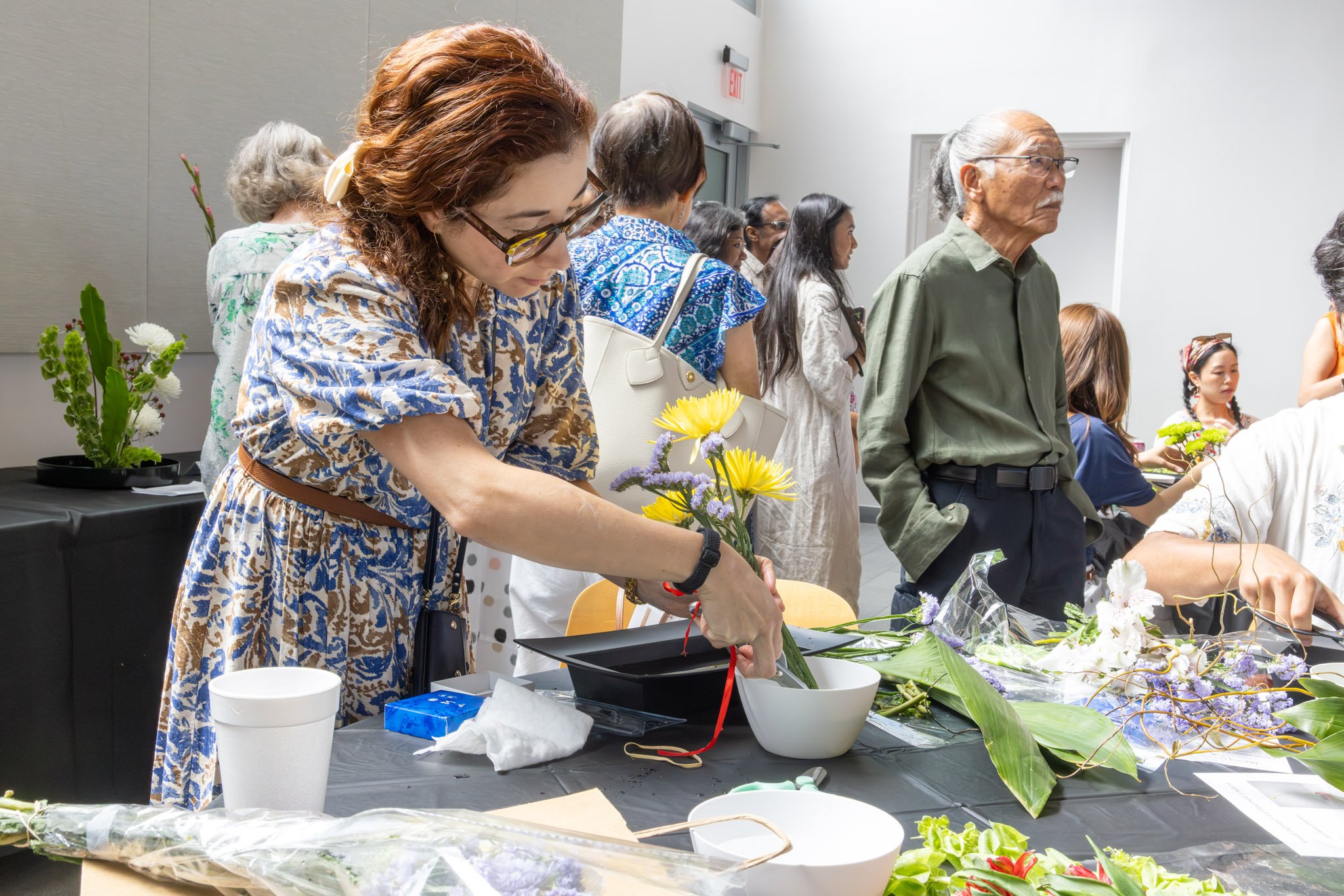
Beyond the main stage, the festival offered numerous opportunities for immersive cultural experiences. The event featured tea ceremony demonstrations and ikebana workshops, allowing guests to interact with Japanese culture in various ways. At the Japan-America Society of Houston (JASH) booth, visitors had the opportunity “to be a samurai” with origami “kabuto” helmets and “katana” swords.

Special thanks go to our spirited volunteers who worked tirelessly to make JASH's many festival offerings possible!  Makoto ni arigatou gozaimashita.

Houston, your energy was contagious, and it was a joy to celebrate Japan together with all of you through vibrant performances, delicious food and unforgettable cultural experiences.

A sincere “arigatou” for the community spirt and the shared love for Japanese culture that made this year’s festival such a success.

A special thank you to our sponsors:
JASH Celebrates the Power of Sport to Inspire, Connect, and Uplift at 2025 Genuine Cup

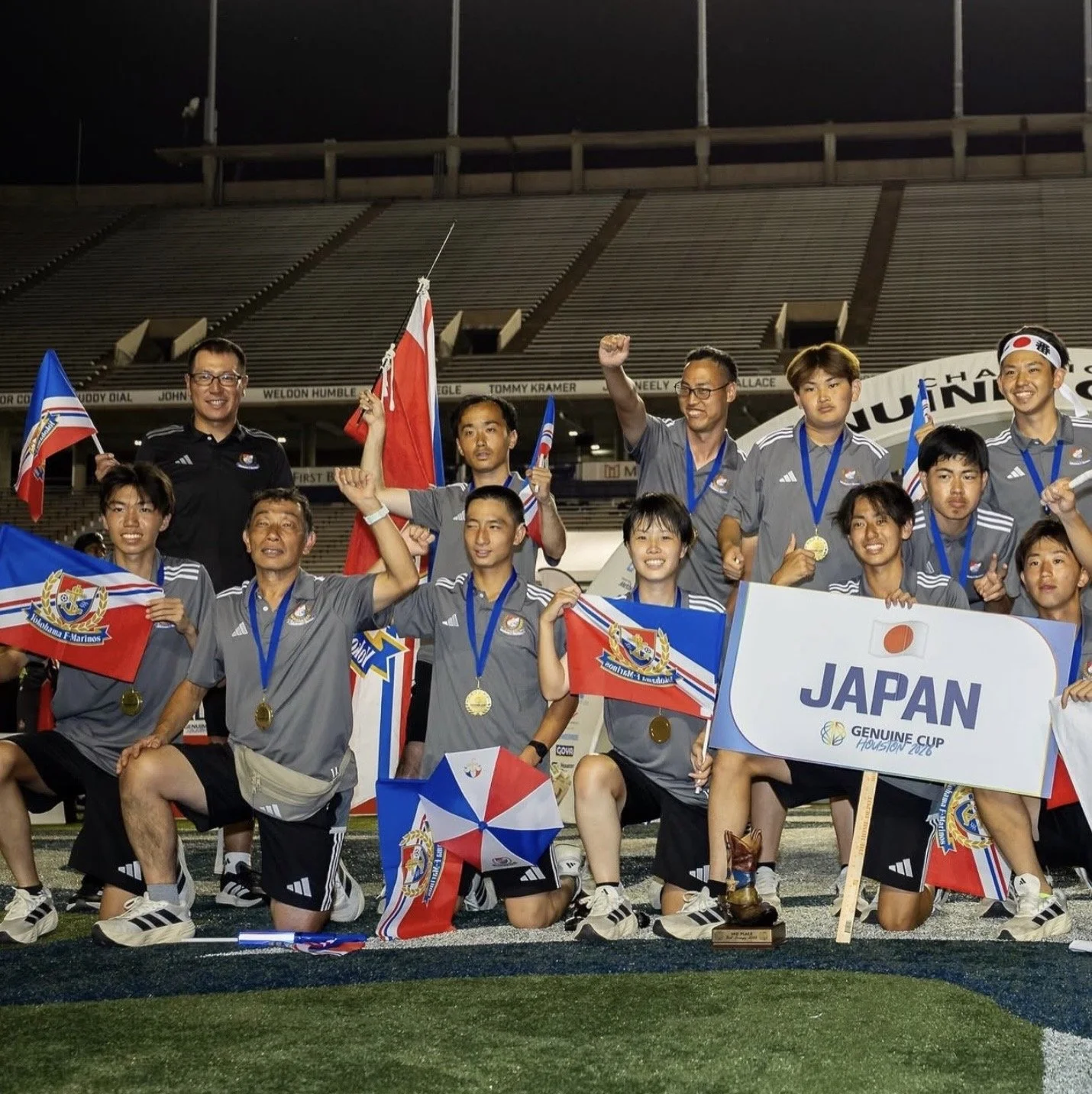
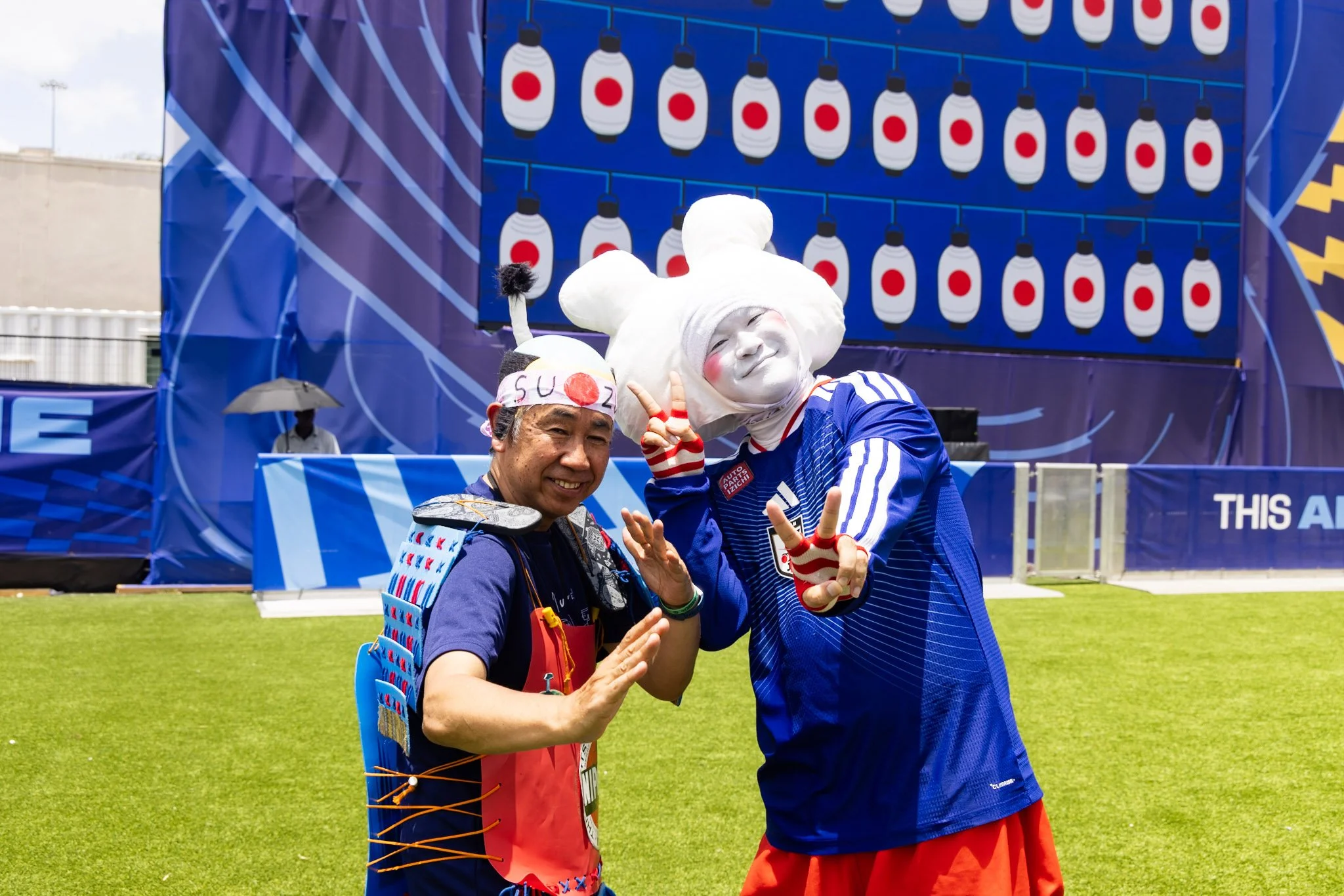
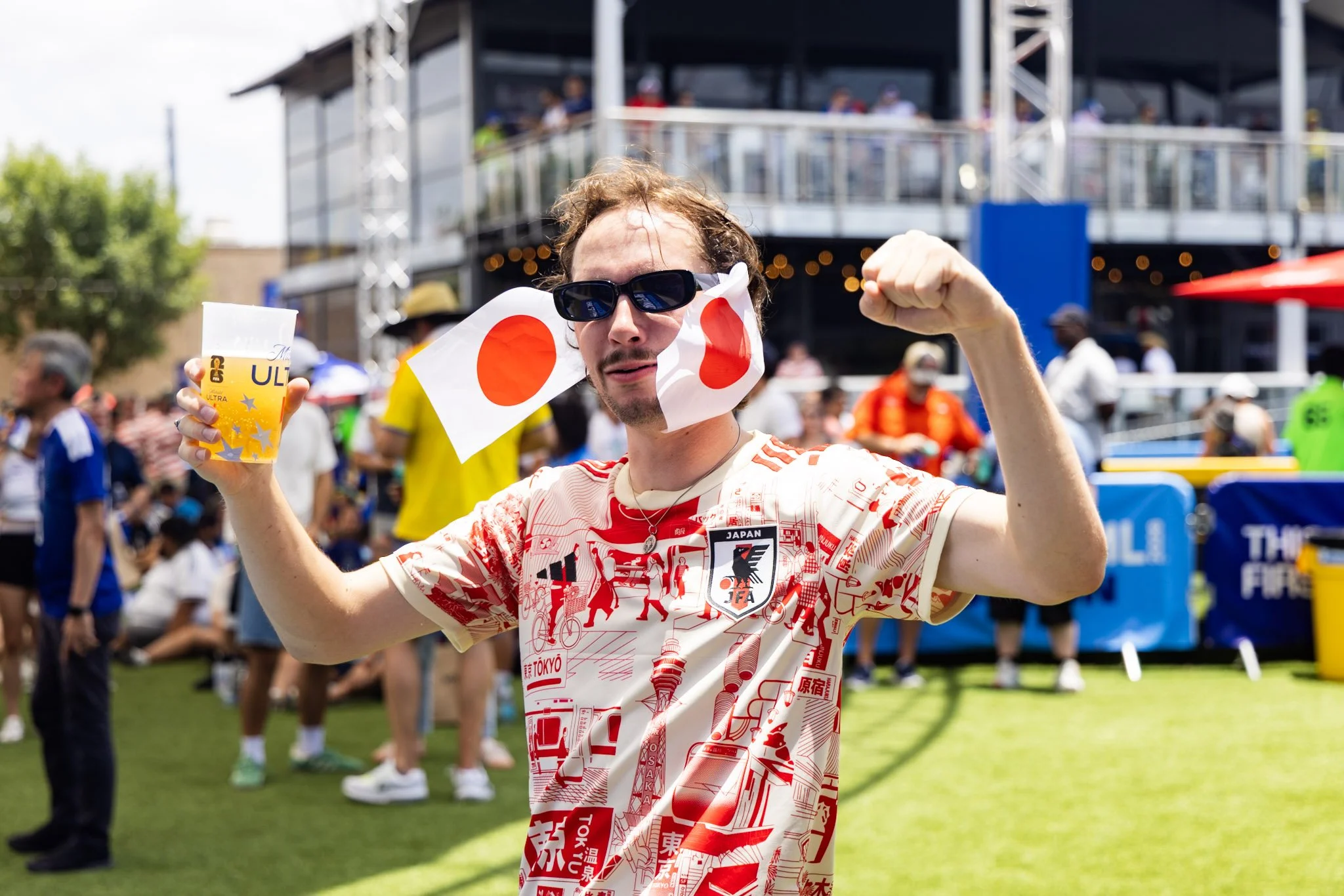
From July 28 - August 1, the Japan-America Society of Houston (JASH) had the opportunity to participate in the 2025 Genuine Cup — an international soccer tournament that celebrates the power of sport to connect communities, uplift spirits, and promote inclusion through competition.

Now in its second year, the Genuine Cup is a unique global event created specifically for athletes with intellectual and developmental disabilities (IDD). Hosted in Houston, this year’s tournament brought together 36 teams from around the world for a weekend filled with goals, smiles, and unforgettable memories.

Representing Japan with heart and honor, Yokohama Marinos Futuro distinguished themselves both on and off the field. Their talent, sportsmanship, and infectious positivity captured the attention of players, coaches, volunteers, and spectators alike.

From the moment they arrived, the team shared more than just their soccer skills — they brought gifts of goodwill, handing out handmade origami cranes to everyone they met. Their warmth and spirit were evident in every match, lighting up both the field and sidelines with their energy, enthusiasm, and respect for the game.

In recognition of their outstanding contributions, Yokohama Marinos Futuro was awarded the tournament’s Energy Award — an honor reserved for teams that demonstrate exceptional passion, sportsmanship, and team spirit.

“They didn’t just play the game — they touched hearts, built bridges, and reminded us what genuine connection looks like,” said a JASH President & CEO Patsy Brown..

JASH extends its heartfelt congratulations to Yokohama Marinos Futuro and all the participants of the 2025 Genuine Cup. It was an honor to witness the transformative power of sport and to celebrate this remarkable expression of inclusion, friendship, and international exchange.


PHOTO GALLERY


Thank you to JASH Intern Mari Sakai and the JASH Volunteers who helped support Yokohama Marinos Futuro.


About the Genuine Cup
The Genuine Cup is an annual international soccer tournament for athletes with intellectual and developmental disabilities, promoting inclusion, sportsmanship, and cultural exchange through sport.

Japan-America Society of Houston Announces New Leadership

HOUSTON, TX (JULY 1, 2025) – The Japan-America Society of Houston (JASH) is pleased to announce the appointment of Takajiro “Tak” Ishikawa, President and CEO of Mitsubishi Heavy Industries America, Inc. (MHIA), as Chairman of the Board of Directors, and Patsy Yoon Brown as the organization’s new President & CEO.

Ishikawa succeeds Laird Doran, Senior Vice President and General Counsel of The Friedkin Group, who served with distinction as JASH President since 2018. Under Doran’s leadership, JASH significantly expanded its educational and cultural programming, deepened its relationships with public and private sector partners, and played a central role in strengthening the U.S.-Japan relationship in Houston and beyond.

Ishikawa brings decades of international leadership experience in advanced technologies, global partnerships, and community engagement. As President & CEO of MHIA, he oversees U.S. operations spanning energy systems, aerospace, and industrial machinery. A strong advocate for global collaboration and innovation, Ishikawa is poised to lead JASH into a new chapter of dynamic growth and cross-cultural exchange.

Brown, who previously served as JASH Executive Director, brings a wealth of experience in U.S.-Japan education, nonprofit management, and cross-cultural programming. Her appointment as President & CEO reflects JASH’s commitment to expanding its impact across generations and sectors, while continuing to serve as a vital platform for dialogue and connection between Japan and the Greater Houston region.

“It is a great honor to serve as Chairman of the Japan-America Society of Houston,” said Ishikawa. “JASH plays a vital role in raising the profile of Japan and providing community enrichment through culture, education, and dialogue. As Houston continues to grow as a global center of innovation and diversity, I look forward to building on the strong foundation established by Laird Doran and working together with our members, partners, and friends to further strengthen the U.S.-Japan bilateral relationship.”

“I am honored to serve as President & CEO at this pivotal moment for JASH and to welcome Tak Ishikawa as Chairman,” said Brown. “His vision and commitment to international cooperation will be invaluable as we continue to foster meaningful connections between the people of Japan and Houston. JASH plays a unique role in strengthening the bridge between our communities, and I look forward to working closely with our members and partners to expand our outreach and deepen our impact across the region.”

These leadership appointments come as JASH expands its outreach, youth programs, and corporate partnerships to reflect Houston’s growing prominence as a global city and a leading hub of Japan–U.S. relations.

Houston-Chiba Sister City Youth Ambassador Program Marks 43 Years

From June 1-14, the 2025 Houston–Chiba Sister City Youth Ambassador Program once again brought young Houstonians and Japanese hosts together in a powerful exchange of culture, friendship, and diplomacy.

This year’s delegation—middle school students Amelia, Cash, Graham, and Melissa—were tasked with strengthening the Houston-Chiba Sister City relationship through hands-on learning and heartfelt connections.

After a warm welcome from host families and the Chiba City International Association, the students began a whirlwind of activities: formal courtesy visits with Mayor Kamiya of Chiba City, Chairman Ishikawa of the Chiba City Assembly, and Superintendent Tsuruoka of the Board of Education; cultural excursions to shrines, temples, and museums; and immersive experiences such as giving weather forecasts at the Chiba Science Museum and crafting food samples in Tokyo.

A standout moment came during their time as guest students at Chiba Municipal Todorokicho Junior High School. Participating in daily routines—from serving lunch to cleaning the halls—the Youth Ambassadors gained firsthand insight into Japanese school life and values. Their visit culminated in an emotional farewell assembly, where each student gave a speech expressing their gratitude and reflections.

From ramen lunches and monorail tours to classroom exchanges and newfound friendships, the program offered the students an unforgettable introduction to the richness of Japanese life.

We commend these remarkable Youth Ambassadors for representing Houston with grace, curiosity, and respect—and extend our deep thanks to our partners in Chiba City for their generous hospitality.

AANHPI Heritage Month 2025: Honoring Japanese Legacy and Community Connections

HCP4 Inaugural AANHPI Celebration; courtesy of the office of Commissioner Leslie Briones

The Japan-America Society of Houston (JASH) proudly marked Asian American, Native Hawaiian and Pacific Islander (AANHPI) Heritage Month with a series of vibrant and meaningful events celebrating Japanese culture, history, and community partnerships across the Greater Houston area.

Throughout the month of May, JASH partnered with local schools, libraries, community leaders, and cultural institutions to highlight the enduring contributions of the Japanese American community, while fostering intercultural dialogue and engagement.

Among the highlights:

  • Matcha Workshops with Fort Bend County Libraries and the Houston Astros: Participants of all ages learned the art of whisking matcha and explored the cultural significance of tea in Japanese tradition. Sharing this experience in public libraries and even at Daikin Park brought Japanese culture into the heart of ocal gathering spaces.

  • Koi Nobori Crafting at Helix Park: Families and children gathered to create colorful koi nobori (carp streamers), a symbol of perseverance and strength traditionally flown to celebrate Children’s Day in Japan. This hands-on activity provided an opportunity to pass on Japanese customs to younger generations in a joyful and interactive setting.

  • Channeling Our Inner Samurai: In partnership with Harris County Precinct 4 and Commissioner Leslie Briones, community members were given the opportunity to fold wearable kabuto samurai helmets — celebrating Children's Day and connecting with a symbol of courage and strength in Japanese culture.  Meanwhile, at Woodland Hills Elementary School, students enjoyed a dynamic cultural presentation that introduced them to the discipline, values, and legacy of the samurai — sparking curiosity about Japanese history and ethics.

  • Community Service at Hermann Park’s Japanese Garden: Volunteers from across the city joined JASH to clean and care for the Japanese Garden, reinforcing the value of shared stewardship and honoring the serene space that symbolizes friendship between Japan and Houston.

  • Historic Milestone at Fairfield Cemetery: The month’s most poignant moment came with the dedication of a Texas Historical Commission marker at Fairview Cemetery in League City. The marker honors the memory ofthe first community of Japanese immigrants to settle in the region more than a century ago. This long-overdue recognition ensures their pioneering legacy will not be forgotten.

“As we celebrate AAPI Heritage Month, we reflect on the deep roots and vibrant presence of Japanese culture in our region,” said JASH Executive Director Patsy Brown. “This AANHPI Heritage Month has been a powerful reminder of the richness of our shared story.”

JASH extends its heartfelt thanks to everyone who joined in celebrating the stories, resilience, and contributions of AANHPI communities — with special recognition of the Japanese American legacy that continues to shape and inspire our region.

New State Historical Marker Unveiled for "Japanese Settlers of Webster"

On Memorial Day 2025, the Japan-America Society of Houston (JASH) joined the Galveston County Historical Commission and community members in commemorating a long-overlooked chapter of Texas history: the legacy of Japanese immigrants who helped shape the Gulf Coast more than a century ago.

In a ceremony held at Fairview Cemetery in League City—widely known for honoring veterans from the Civil War through the Korean War—a new Texas State Historical Marker was officially unveiled. The marker recognizes the contributions of Seito Saibara and the 30 Japanese settlers who arrived in Texas in 1903 and helped launch the region’s rice industry.

The dedication followed Fairview Cemetery’s annual Memorial Day commemoration, making it a fitting occasion to honor not only those who served in uniform but also those whose pioneering work laid the foundation for agricultural and cultural growth in Southeast Texas.

Many of the early settlers and their descendants, including members of the Saibara, Imai, and Ando families, remained in the area and went on to distinguish themselves in a wide range of fields. Today, 47 members of that early community are buried in a small section of Fairview Cemetery, where gravestones are inscribed in both English and Japanese—a testament to their bicultural heritage.

The historical marker was selected as part of the Texas Historical Commission’s Undertold Marker Program, a competitive initiative aimed at highlighting underrepresented narratives across the state. As noted by Julie Baker, historical marker chair of the Galveston County Historical Commission, the program ensures that important stories “are well researched, well written, and worthy of being memorialized.”

In a formal resolution issued in conjunction with the event, Harris County Commissioner Rodney Ellis acknowledged the dedication of the marker as “a powerful and long-overdue acknowledgment of the resilience, innovation, and legacy of Houston’s first Japanese settlers, whose contributions continue to shape the region to this day.”

The original Japanese settlers—led by Saibara, a former Japanese parliamentarian who was President of Doshisha University when he arrived—were invited to Texas and purchased land in Webster in the early 1900s and successfully cultivated rice using seeds provided by the Japanese government. Their success offered new employment opportunities to local residents and spurred agricultural innovation in Texas. Even as rice farming declined over time, many families transitioned to fruit production, remaining vital members of the local economy.

Despite their achievements, these settlers faced significant barriers to citizenship and endured suspicion during World War II. According to Melodey Hauch, vice chair of the Galveston County Historical Commission, it was during these challenging times that bonds between the Japanese community and local Quaker families deepened—another crucial part of this story that the marker now preserves.

“There are so many of them that came and persevered and made a good living for themselves,” Hauch said. “It was hard work, but they stayed and they made something of those rice farms—and later, their fruit orchards.”

The Japan-America Society of Houston is honored to be part of this important moment of recognition and education, and remains committed to preserving the stories that define the rich, multicultural fabric of Texas.

Marker Location: Fairview Cemetery, 901 N. Kansas St., League City, TX
Marker Program: Texas Historical Commission’s Undertold Marker Initiative
Dedication Date: Memorial Day, May 26, 2025

HCP4 Commissioner Leslie Briones Recognizes JASH in AANHPI Heritage Month Resolution

In a meaningful gesture of recognition and solidarity, Commissioner Lesley Briones of Harris County Precinct 4 presented to Commissioners Court a formal resolution commemorating Asian American, Native Hawaiian, and Pacific Islander (AANHPI) Heritage Month.

The resolution, which JASH Executive Director Patsy Brown had the honor of receiving and responding to, celebrates the profound contributions of AANHPI communities to the cultural, civic, and economic life of Harris County. With over 100,000 AANHPI residents in Precinct 4 alone, the resolution underscores the vibrant diversity and rich cultural heritages that define the region.

“It is an honor to accept this recognition on behalf of the Japan-America Society of Houston as well as the greater Houston AANHPI community,” said the Executive Director. “[This resolution] honors the diversity, strength, and shared values that define the AANHPI experience in Harris County. Moreover, it reaffirms our commitment to building bridges of understanding, inclusion, and opportunity—for all.”

Commissioner Briones emphasized the importance of the occasion: “We celebrate the cultural richness and countless contributions of our AANHPI neighbors—and we recommit ourselves to addressing the unique challenges they face with respect, inclusion, and equity.”

The moment highlighted the enduring role of organizations like JASH in strengthening cross-cultural understanding and promoting meaningful dialogue between communities.

As AANHPI Heritage Month continues, JASH remains committed to honoring the legacies of the past while fostering opportunities for the future.

For more information about upcoming AANHPI Heritage Month programs and community events, visit www.jas-hou.org.

Celebrating AAPI Heritage Month Through Service

On Saturday, May 3, a dedicated group of 78 volunteers came together to care for the Japanese Garden in Hermann Park during the annual Spring Cleanup. Under the expert guidance of the Hermann Park Conservancy (HPC), volunteers pulled weeds, trimmed bushes, cleaned the streams, and laid rocks and mulch to refresh the beloved garden.

As the event aligned with Asian American and Pacific Islander (AAPI) Heritage Month, the gathering proved to be more than a cleanup—it was a celebration of community, heritage, and shared stewardship. We were reminded that the Japanese Garden is not only a place of peace and reflection, but also a living symbol of the deep roots and lasting influence of Japanese culture in our city. By lending their time and energy, each volunteer played a part in preserving that legacy for future generations.

Following the cleanup, a drawing was held for a gift card from Houston’s beloved ramen “soul-food” specialists, Ramen Tatsu-ya. Congratulations to our lucky winners: Shigeru Sakamoto of All Nippon Airways (ANA), and Deondre Stephens!
We are deeply grateful for the support, hard work, and community spirit of all who took part.

Thanks to you, the Japanese Garden continues to be ready to welcome visitors seeking tranquility, beauty, and cultural connection.

Special thanks goes out to the following organizations for their large presence during the cleanup:
• Baker Hughes Asian Pacific American Forum

• Urasenke Tankokai of Houston

• Morton Ranch High School

• University of Houston JLCC

• Power Home Remodeling Group

• Mitsubishi Cooperation (Americas)


Photos courtesy of night.sky.creative

Celebrating AAPI Heritage Month: Honoring Japanese Contributions to Houston and Texas
Circa 1904, rice farmer Seito Saibara, wearing straw hat, standing beside his 600-foot deep water well on his farm in Webster. UTSA Special Collection-Institute of Texan Cultures

Each May, during Asian American and Pacific Islander (AAPI) Heritage Month, the Japan-America Society of Houston (JASH) joins communities across the country in recognizing the rich tapestry of cultures and contributions that AAPI individuals have made to American life. This month provides a meaningful opportunity to highlight the deep-rooted legacy of Japanese Americans in shaping the history, economy, and cultural landscape of Houston and Texas.


From early pioneers to modern innovators, Japanese Texans have left an enduring mark on the Lone Star State. One of the most notable figures is Seito SAIBARA, a visionary leader whose story begins over a century ago but continues to inspire today.

In 1903, Saibara— a highly respected Tokyo lawyer, President of Kyoto’s Doshisha University, and former member of Japan’s Parliament—was invited to Texas to bring rice farmers to the state following a devastating freeze that destroyed Texas’ existing rice crops.

Seito SAIBARA

Saibara purchased 304 acres of land in Webster, just outside of Houston, and together with a group of 30 colonists established the first successful commercial rice farm in the state. His first crop—grown from seed gifted by the Emperor of Japan and harvested in 1904—was distributed across Texas and Louisiana, helping to launch the Gulf Coast rice industry and paving the way for future generations.

Saibara’s efforts not only transformed agriculture in the region but also opened the door for Japanese immigration and community-building in Texas.

Saibara’s legacy is foundational to the Japanese American experience in Houston. His son, Kiyoaki SAIBARA, would go on to serve as the first Japanese mayor in the continental United States, further solidifying the family’s commitment to civic life and cross-cultural understanding.

Today, the spirit of pioneers like Seito Saibara lives on in Houston’s vibrant Japanese American community. Through cultural programs, business exchanges, educational initiatives, and sister city partnerships, Japanese Houstonians continue to contribute to the vitality of our region and the strength of U.S.-Japan relations.

As we celebrate AAPI Heritage Month, the Japan-America Society of Houston invites you to join us in honoring the individuals—past and present—who have helped build bridges between our cultures and enriched the lives of so many in our city and state.

A 1932 photo of the Japanese settlers, with Seito Saibara near the center of the second row, leaning slightly to his right. Courtesy of Fairview Cemetery


Learn More:
Throughout May, JASH will feature community spotlights and historical highlights as part of our AAPI Heritage Month series. Stay connected with us to explore stories that honor our shared history and illuminate the path ahead.